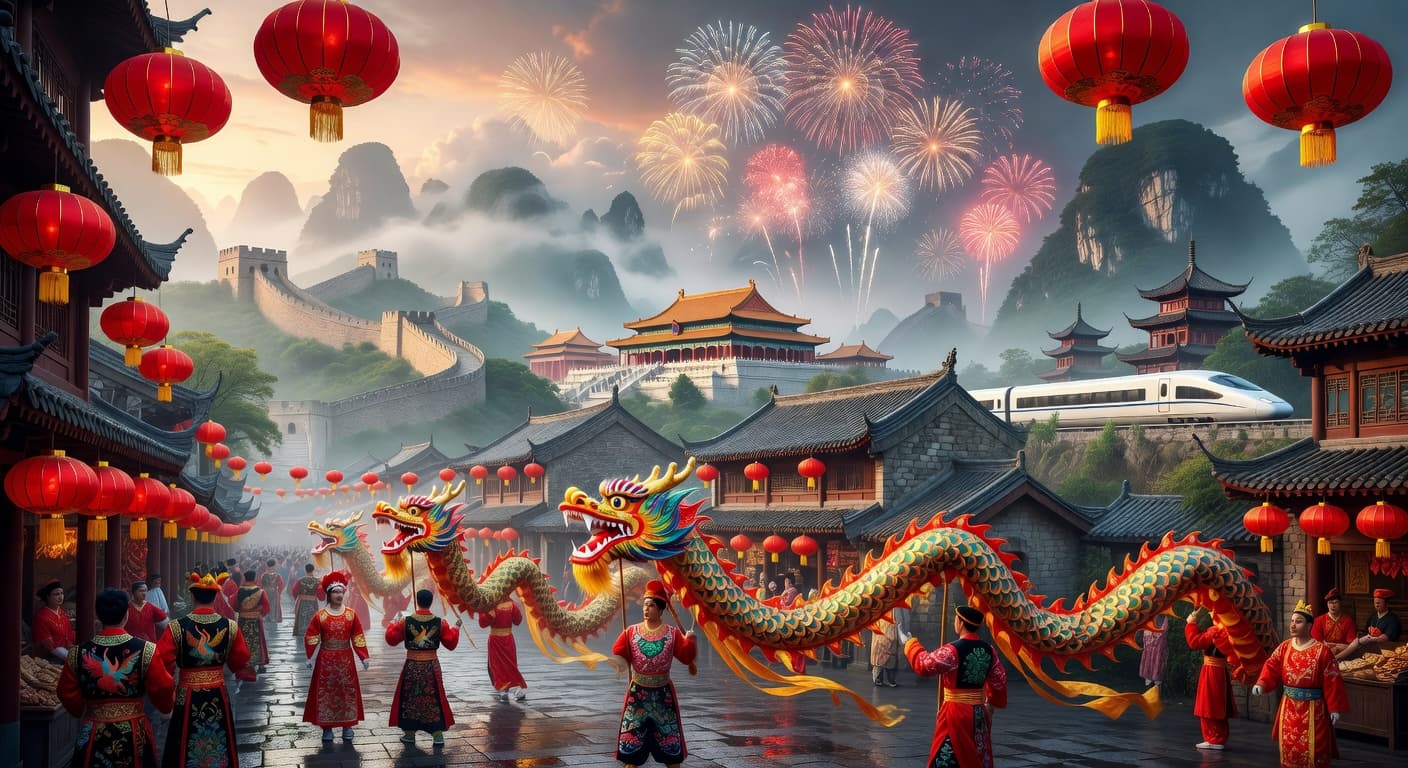
Complete guide to China's monsoon season: timing, best destinations, what to pack, and how to plan your trip around the rains.
Imagine stepping off a train in Shanghai in early June, only to find yourself navigating streets transformed into rivers by afternoon downpours. The China monsoon season is one of the most misunderstood aspects of travel planning in the country—many visitors either avoid it entirely or arrive unprepared for its intensity. Yet understanding when and where monsoons hit can actually unlock some of the best travel opportunities: fewer crowds, lush landscapes, and authentic experiences beyond the typical tourist circuit.
Key Takeaways
| Question | Answer |
|---|---|
| When is China's monsoon season? | May to September, peaking June-August; regional variations exist across provinces |
| Which regions are most affected? | Southern and eastern China (Guangzhou, Shanghai, Yunnan) experience heaviest rainfall; northern regions see less impact |
| What's the best time to visit during monsoon? | May and early September offer lighter rain; mid-June through August are peak wet months |
| How much should I budget? | Accommodation prices drop 20-30% during monsoon; flights and trains remain standard pricing (CNY 300-1,500+ depending on route) |
| What should I pack? | Waterproof jacket, quick-dry clothing, waterproof bag for electronics, sturdy walking shoes with grip |
| Is it safe to travel during monsoon? | Yes, but avoid hiking in mountains during heavy downpours; urban areas are perfectly safe |
| What should I book in advance? | Indoor attractions (museums, temples), covered markets; outdoor activities can be booked same-day based on weather |
1. Understanding China's Monsoon System
The East Asian monsoon is a seasonal wind pattern that brings moisture-laden air from the Pacific and Indian Oceans, creating China's rainy season. This isn't a single event but a complex meteorological system that affects different regions at different intensities and times. When we spent a week in Guangzhou in June, we watched the humidity climb daily—by 3 PM, afternoon thunderstorms were almost guaranteed, clearing the streets within minutes and leaving the city refreshed by evening.
China's monsoon operates on two main patterns: the warm, wet southwest monsoon (May-September) and the cold, dry northeast monsoon (October-April). The transition periods—May and September—are particularly interesting for travelers because you get the tail end of spring weather or the beginning of autumn, with only moderate rainfall. The South China region experiences the most dramatic monsoon effects, while North China sees relatively little impact.
Did You Know? Southern China receives 70-80% of its annual rainfall during the monsoon season (May-September), with some areas in Yunnan Province recording over 1,500mm of rain in just four months.
How Monsoon Affects Different Regions
The intensity of monsoon varies dramatically across China's vast geography. Coastal areas and southern provinces like Guangdong, Fujian, and Yunnan experience torrential downpours, while inland areas like Sichuan see moderate, more manageable rainfall. The Yangtze River valley—including cities like Chongqing and Wuhan—sits directly in the monsoon's path and experiences some of China's heaviest seasonal rains.
Northern cities like Beijing and Xi'an see minimal monsoon impact; their rainy season is brief and lighter. This geographic variation is crucial for planning: if you're set on visiting during May-September, choosing a northern destination dramatically changes your experience compared to heading south.
The Science Behind the Rains
Monsoons form when temperature differences between land and ocean create pressure systems that push moisture-laden winds inland. In China, this typically begins in May when the Pacific warming accelerates, peaks in July-August when ocean temperatures are highest, and begins to weaken in September as continental air masses reassert themselves. The rainfall isn't continuous—it comes in intense bursts, often in the afternoon or evening, leaving mornings relatively clear.
2. Month-by-Month Monsoon Timeline
Understanding the monsoon's progression month by month helps you choose the optimal travel window. Each month has distinct characteristics that affect what you can do and how crowded attractions will be.
May: The Monsoon Threshold
May marks the official beginning of monsoon season in southern China, though rainfall is still relatively light compared to later months. Temperatures climb to 25-30°C (77-86°F) in most regions, and humidity becomes noticeable. This is actually one of our favorite months to visit—you get some of the benefits of monsoon season (lower prices, fewer tourists) without the heaviest rains. The Shanghai waterfront is far less crowded than in spring or autumn, and Guangzhou restaurants are packed with locals rather than tour groups.
Best for: Budget-conscious travelers, those seeking authentic local experiences, visitors comfortable with occasional afternoon showers.
June-August: Peak Monsoon
These three months represent the heart of monsoon season. June brings the first major rainfall surge, July-August see the heaviest downpours, and temperatures soar to 30-35°C (86-95°F) with humidity often exceeding 80%. During our time in Chengdu in July, we experienced 15 consecutive days of afternoon thunderstorms—each lasting 30-45 minutes, then clearing completely.
Rainfall during peak monsoon can be intense: some areas receive 300-400mm in a single month. However, the rain typically falls in concentrated bursts rather than all-day drizzle, meaning you can still plan activities around the weather. Morning sightseeing is often possible; afternoon activities should be flexible or indoor-focused.
Best for: Travelers seeking dramatic discounts (30-40% off accommodation), those interested in hiking when waterfalls are at their most spectacular, visitors who don't mind adapting plans daily.
September: Monsoon's Tail
September sees monsoon intensity decline as the season transitions toward autumn. Early September (1-15) still brings significant rainfall, but late September (15-30) sees a marked decrease. Temperatures begin cooling to 25-28°C (77-82°F), and humidity drops noticeably. This month offers an excellent balance: you still get monsoon-season pricing and fewer crowds, but with increasingly reliable weather.
Best for: Those seeking the "sweet spot" between budget savings and weather reliability, travelers planning outdoor activities like hiking or river cruises.
3. Regional Rainfall Patterns and Affected Areas
Not all of China experiences monsoon equally. Understanding regional variations is essential for choosing where to go during May-September.
Southern Coastal Regions (Most Affected)
Guangzhou, Shanghai, and coastal Fujian Province experience the most dramatic monsoon effects. These areas receive 400-600mm of rain during peak months (July-August), with rainfall occurring on 15-20 days per month. Humidity regularly exceeds 85%, creating that distinctive tropical feeling.
However, this doesn't mean you should avoid these cities. The rainfall is predictable—usually afternoon thunderstorms that clear by evening. Shanghai's attractions like the Bund and Yu Garden are equally impressive in rain, and indoor activities like the Shanghai Museum or Pearl Tower observation deck are unaffected. Guangzhou's food scene actually thrives during monsoon—locals flock to restaurants for dim sum and hot pot, creating an authentic atmosphere.
Rainfall comparison:
- July rainfall: 150-200mm
- Rainy days per month: 15-18
- Humidity: 75-85%
Yunnan Province (Spectacular but Wet)
Yunnan in Southwest China is a monsoon hotspot, receiving some of China's heaviest seasonal rainfall. The province's mountainous terrain intensifies monsoon effects—Kunming sees 300mm in July alone, while higher elevations receive even more. Yet Yunnan's monsoon season is paradoxically beautiful: waterfalls roar with power, rice paddies turn emerald green, and the landscape transforms into something from a classical Chinese painting.
The key to visiting Yunnan during monsoon is timing activities carefully. Morning hikes to places like Tiger Leaping Gorge are often possible; afternoon activities should focus on covered markets, temples, or tea houses. The rains also mean fewer tourists on popular trails—a significant advantage if you're seeking solitude.
Central China (Moderate but Persistent)
Cities like Chongqing, Wuhan, and Nanjing experience moderate but persistent rainfall during monsoon. Rather than intense downpours, these areas see frequent light-to-moderate rain lasting several hours. July-August are particularly wet, with 200-250mm of monthly rainfall. The Yangtze River valley's humidity is intense—locals call it "oven-like" in July-August.
For travelers, this means planning around rain rather than around dramatic storms. An umbrella becomes essential; waterproof bags for electronics are non-negotiable. But these cities' indoor attractions—museums, temples, covered markets—are perfectly enjoyable, and the reduced crowds make for better experiences.
Northern China (Minimal Impact)
Beijing and northern regions experience minimal monsoon impact. While July-August see slightly increased rainfall compared to other seasons, it's modest—typically 50-100mm per month. The north's rainy season is brief and light, making it an excellent alternative if you're monsoon-averse but want to travel during May-September.
4. Packing Essentials for Monsoon Travel
Packing correctly transforms monsoon season from a potential nightmare into a manageable—even enjoyable—experience. Based on our experience navigating Shanghai's rainy streets and Yunnan's mountain downpours, here's what actually works.
Waterproof Gear That Actually Functions
A quality waterproof jacket is non-negotiable. Not a light rain jacket—a genuine, sealed-seam waterproof shell that will withstand tropical downpours. We learned this the hard way in Guangzhou when a "water-resistant" jacket failed within minutes of a monsoon storm. Brands like Arc'teryx, Patagonia, or even mid-range options from Decathlon (which has stores throughout China) work well.
Equally important: a waterproof bag for electronics. Monsoon rains are intense enough to damage phones and cameras if they're not protected. A dry bag or waterproof backpack cover (both available at outdoor stores in major cities) is essential. We also recommend a compact umbrella—the collapsible kind that fits in a day pack—though locals often skip umbrellas during heavy downpours and simply wait them out.
Packing list for monsoon regions:
- Waterproof jacket with sealed seams (not just water-resistant)
- Quick-dry clothing in synthetic fabrics (cotton takes forever to dry in humidity)
- Waterproof bag or dry sack for electronics and valuables
- Sturdy walking shoes with good grip (wet marble and tile are slippery)
- Extra socks (your feet will get wet; having dry socks matters)
- Lightweight, packable rain pants for hiking
- Compact umbrella for lighter rain
Clothing for Heat and Humidity
Monsoon season is hot. Temperatures regularly exceed 30°C (86°F), and humidity makes it feel hotter. Cotton clothing, while comfortable, takes hours to dry and becomes heavy when wet. Synthetic quick-dry fabrics are far superior—they dry within 1-2 hours and don't cling to your skin. Merino wool is excellent if you can find it, as it regulates temperature and dries faster than cotton.
Loose-fitting clothing works better than tight garments in high humidity. We found that lightweight linen shirts and quick-dry pants were far more comfortable than our usual travel wardrobe. Avoid dark colors if possible—they absorb heat and show water stains prominently.
Footwear Strategy
This is where most travelers make mistakes. Regular sneakers become waterlogged and take days to dry. Instead, pack shoes with good drainage and grip—hiking sandals like Chacos or Tevas are excellent, as are trail running shoes with drainage holes. The grip matters: wet tile, marble, and stone are genuinely slippery, and we witnessed several tourists slip on temple floors during our time in Chengdu.
If you're planning serious hiking, waterproof hiking boots are worth the luggage space. For urban exploration, water shoes or quick-dry sandals are sufficient.
5. Best Destinations to Visit During Monsoon Season
Rather than avoiding monsoon season, consider visiting destinations where the rains enhance rather than diminish the experience.
Yunnan's Waterfalls and Rice Paddies
Yunnan transforms during monsoon. Waterfalls that are modest trickles in dry season become roaring cascades, and the province's famous rice paddies turn brilliant green. The region's ethnic minority villages—home to Dai, Bai, and Naxi peoples—are less crowded, and you'll experience authentic daily life rather than staged tourism.
Visit Lijiang's Old Town in June or early September for manageable rainfall and lower prices. The town's cobblestone streets are atmospheric in rain, and the surrounding mountains (like Jade Dragon Snow Mountain) are spectacular when clouds clear. The Kunming to Lijiang route is easily accessible via high-speed rail or domestic flights.
Why visit: Dramatic landscapes, fewer tourists, authentic cultural experiences, 30-40% lower accommodation prices.
Sichuan's Tea Houses and Chengdu Culture
Chengdu is famous for its laid-back tea culture, and monsoon season is when locals truly embrace it. Afternoon thunderstorms send people into covered tea houses, where you'll find yourself surrounded by locals playing mahjong, sipping tea, and living life at a slower pace. The city's famous spicy cuisine—Dan Dan noodles and Mapo Tofu—tastes even better on rainy days.
The nearby Wolong Panda Reserve is less crowded during monsoon, and the pandas are more active in cooler, wetter conditions. Plan indoor activities (museums, temples, markets) for afternoons when rain is likely, and explore neighborhoods on clearer mornings.
Why visit: Authentic local culture, panda encounters, spicy Sichuan food, dramatic price reductions.
Shanghai's Urban Exploration
Shanghai during monsoon is moody and atmospheric. The Bund looks dramatic under gray skies, and the city's museums and indoor attractions are far less crowded. The Shanghai Museum and Yu Garden are equally beautiful in rain, and you'll actually be able to move through them without being swept along by crowds.
The city's food scene is excellent year-round, but monsoon season brings locals into restaurants rather than tourists. You'll find authentic xiaolongbao (soup dumplings) and shengian bao in neighborhood spots, not just tourist-focused establishments.
Why visit: Authentic urban experience, world-class museums, excellent food, manageable crowds.
Guangzhou's Markets and Culinary Scene
Guangzhou is a culinary capital, and monsoon season is when the city's food culture truly shines. Dim sum restaurants are packed with locals, and the city's famous wet markets (covered, so rain doesn't disrupt them) are vibrant and authentic. The Pearl River is beautiful even in rain, and the city's temples and gardens are peaceful during downpours.
Accommodation prices drop significantly during monsoon—we found 4-star hotels at 2-star prices in June. The city's museums and the Canton Tower observation deck are unaffected by rain and offer incredible views when clouds clear.
Why visit: World-class dim sum and Cantonese cuisine, dramatic price reductions, authentic market experiences, fewer tourists.
6. Indoor Attractions and Rainy Day Activities
Monsoon season doesn't mean being stuck indoors—it means planning strategically. China's major cities have world-class museums, temples, and covered markets that are actually more enjoyable during rain.
Museums and Cultural Institutions
Most of China's major museums are free or very inexpensive and offer air-conditioned comfort during hot, humid monsoon days. The Forbidden City in Beijing has indoor palace buildings; the Shanghai Museum houses incredible collections of Chinese art; the Chongqing Three Gorges Museum offers insight into the Yangtze region.
We found that visiting museums during monsoon meant shorter queues and more time to actually appreciate exhibits. The Palace Museum in Beijing, which can feel overwhelming with crowds during peak season, becomes manageable during rainy periods.
Covered Markets and Shopping
Traditional wet markets—covered spaces where locals shop for produce, meat, and seafood—are fascinating and entirely weather-proof. Guangzhou's Qingping Market and Shanghai's Longhua Temple Market are sensory experiences: the sights, sounds, and smells of authentic Chinese daily life. These markets are less touristy during monsoon, offering genuine glimpses into local culture.
Best covered markets:
- Qingping Market (Guangzhou): Traditional Chinese medicine, spices, dried goods
- Longhua Temple Market (Shanghai): Antiques, crafts, local goods
- Huimin Street (Xi'an): Food market with covered sections, excellent for trying local cuisine
- Chengdu Kuanzhai Xiangzi: Historic covered alleyway with shops and restaurants
Tea Houses and Culinary Experiences
Monsoon season is perfect for immersive food experiences. Cooking classes, tea tastings, and food tours are less crowded and often discounted. We took a dim sum cooking class in Guangzhou in June and had the instructor's full attention—something impossible during peak season. Tea houses in Chengdu, Hangzhou, and Suzhou are atmospheric during rain, and Chinese green tea tastes better when sipped while watching rain.
7. Outdoor Activities That Work During Monsoon
Monsoon doesn't mean you can't hike, explore nature, or do outdoor activities—it just requires flexibility and careful planning.
Hiking and Mountain Activities
Hiking during monsoon is possible and often rewarding. Waterfalls are at their most spectacular, and the landscape is lush and green. The key is timing: start early (6-7 AM) to complete hikes before afternoon storms, and avoid hiking during heavy downpours or in areas prone to flash flooding.
Popular monsoon-season hikes include Tiger Leaping Gorge in Yunnan (stunning waterfalls, morning starts essential), Zhangjiajie National Forest Park in Hunan (misty and atmospheric, fewer tourists), and trails around Guilin (dramatic karst landscapes enhanced by water).
Monsoon hiking guidelines:
- Start early: Begin hikes by 6-7 AM to finish before afternoon storms
- Check forecasts: Use local weather apps to avoid heavy downpour days
- Avoid flash-flood zones: Stay away from gorges and narrow valleys during peak rain
- Bring proper gear: Waterproof jacket, good shoes, dry bag for electronics
- Have backup plans: Be ready to turn back if weather deteriorates
River Cruises and Water Activities
Paradoxically, monsoon season can be excellent for river activities. The Yangtze River is higher and more dramatic; Li River cruises near Guilin are spectacular with increased water flow; and smaller boat tours in places like Halong Bay (technically Vietnam, but relevant for regional travelers) are more intimate with fewer tourists.
The key is choosing established tour operators with safety records and checking weather forecasts. We took a Li River cruise in early June and had the entire boat to ourselves—something impossible during peak season.
Photography Opportunities
Monsoon landscapes are stunning for photography. The dramatic skies, lush vegetation, and atmospheric rain create compelling images. Early mornings before rain arrives often offer the best light, and the landscape after rain clears is particularly vibrant. Yunnan's rice paddies, Sichuan's misty mountains, and Guangzhou's rainy streets all offer excellent photographic subjects.
8. Booking Strategy and Cost Savings
Monsoon season offers significant financial advantages if you plan strategically.
Accommodation Discounts
Hotels drop prices 20-40% during monsoon season to attract visitors. We found 4-star hotels in Shanghai and Guangzhou at rates comparable to 2-star properties during peak season. Budget accommodations become even cheaper, making it possible to upgrade to better quality lodging without increasing overall costs.
Booking strategy:
- Book 2-4 weeks in advance: Prices are lower than last-minute bookings but higher than peak-season rates
- Avoid peak rain weeks: Mid-July through mid-August see highest rainfall and lowest prices; June and September offer better weather at similar prices
- Use local booking apps: Alipay Travel and WeChat Mini Programs often have exclusive monsoon discounts
- Negotiate directly: During monsoon, hotels are willing to negotiate rates, especially for multi-night stays
Flight and Train Pricing
Flights and trains maintain standard pricing year-round, but booking during monsoon means less competition for seats. You'll have more flexibility and better seat selection. The Beijing to Shanghai high-speed rail route costs the same regardless of season (typically CNY 550-750 depending on train type), but you'll have more empty seats during monsoon.
Tour and Activity Discounts
Guided tours, cooking classes, and adventure activities often offer monsoon discounts. We found 30-50% discounts on group tours in Chengdu and Yunnan during June-July. Solo travelers can join group tours at significant savings, and private guides become more affordable as they compete for fewer bookings.
9. Health Considerations During Monsoon
High humidity and heat during monsoon season create specific health considerations for travelers.
Heat and Humidity Management
Monsoon temperatures (30-35°C/86-95°F) combined with humidity exceeding 80% create conditions where heat exhaustion is possible. Drink significantly more water than you normally would—at least 3-4 liters daily. Electrolyte drinks (available at convenience stores throughout China) help replace salts lost through sweating.
Take breaks during the hottest parts of the day (noon-3 PM). Locals often rest during these hours, and you should too. Air-conditioned cafes, museums, and shopping malls provide relief and are excellent places to spend midday hours.
Heat management tips:
- Drink constantly: 3-4 liters of water daily minimum
- Avoid midday exertion: Save strenuous activities for early morning or evening
- Wear light, breathable clothing: Synthetic quick-dry fabrics work better than cotton
- Use sunscreen: Even on cloudy days, UV rays penetrate clouds
- Monitor yourself: Watch for dizziness, nausea, or excessive fatigue—signs of heat stress
Waterborne Illness Prevention
Increased rainfall can occasionally affect water quality in some areas. Stick to bottled water (available everywhere) rather than tap water. This is standard practice in China regardless of season, but particularly important during monsoon. Avoid ice in drinks unless you're certain it's made from bottled water.
Food safety is generally excellent in China's major cities. Eat at busy restaurants where food turnover is high, and avoid street food from vendors with poor hygiene practices (though most are fine).
Fungal Infections and Skin Issues
High humidity creates conditions where fungal infections and heat rash are more common. Keep skin dry, change out of wet clothes promptly, and use antifungal powder if you're prone to these issues. Pack any medications you use regularly—while pharmacies in major cities stock common items, specific prescriptions may be harder to find.
10. Avoiding Monsoon Crowds and Tourist Traps
Monsoon season attracts fewer international tourists but can still have crowds—just different ones.
When Crowds Peak During Monsoon
Mid-July through mid-August sees the heaviest rainfall and lowest prices, but also attracts Chinese domestic tourists escaping heat in other regions. Popular attractions like Lijiang Old Town and Guilin can still be crowded, just with different visitors (mostly Chinese families rather than international tourists).
Early June and late September see lighter crowds and better weather—the optimal windows for avoiding both rain and people.
Tourist Traps to Avoid
Monsoon season brings out certain scams targeting tourists. Fake tour guides offering "special monsoon discounts" are common in popular areas. Book tours through established operators or your hotel rather than street touts. Taxi drivers may claim certain routes are "closed due to rain" and take longer routes at higher fares—use Didi (Chinese Uber) instead, which has fixed pricing.
Restaurants near major attractions often inflate prices during monsoon, claiming ingredient shortages due to rain. Eat where locals eat—in neighborhood restaurants away from tourist zones—for authentic food at fair prices.
How to avoid tourist traps:
- Book through established operators: Hotels, official tourism websites, or apps like Klook
- Use Didi for taxis: Fixed pricing prevents overcharging
- Eat in neighborhood restaurants: Away from major attractions, prices are fair and food is authentic
- Verify guide credentials: Legitimate guides carry ID cards and work through registered companies
- Avoid street touts: Anyone approaching you on the street offering tours or services is likely running a scam
We may earn a small commission from bookings made through our links, at no extra cost to you. This helps us keep creating free travel guides.
Frequently Asked Questions
Is it safe to travel to China during monsoon season?
Yes, monsoon season is completely safe for travel. The rain itself poses no danger, and China's infrastructure handles heavy rainfall well. Urban areas have excellent drainage systems, and major attractions remain open. The only safety concern is hiking during heavy downpours or flash flooding in mountainous areas—avoid these conditions and you'll be fine.
What's the difference between monsoon season and typhoon season?
Monsoon season (May-September) brings seasonal rainfall patterns, while typhoon season (typically July-September) involves tropical cyclones. Typhoons are rare in mainland China—they primarily affect coastal areas and are usually downgraded to tropical storms before reaching land. Check forecasts before visiting coastal areas during July-September, but don't let typhoon season deter you from monsoon travel.
Can I visit the Great Wall during monsoon season?
Yes, but with caveats. The Great Wall near Beijing (Badaling, Mutianyu sections) is accessible year-round, though rain makes the stone slippery. More remote sections in Yunnan and other provinces may be less accessible during peak monsoon due to muddy conditions. Visit in early morning before rain, and avoid hiking on days with heavy downpour forecasts.
How much money will I save by visiting during monsoon?
Accommodation typically costs 20-40% less during monsoon season. A 4-star hotel in Shanghai might cost CNY 800-1,200 during peak season but CNY 400-600 during monsoon. Food, transport, and attractions maintain standard pricing. Overall, a monsoon-season trip costs 25-35% less than peak-season travel.
What should I do if I get caught in a monsoon rainstorm?
Monsoon rains, while intense, are usually brief (30-45 minutes). Simply find shelter—a cafe, shop, or covered market—and wait it out. Locals rarely use umbrellas during heavy downpours; they simply wait for the rain to pass. Don't try to navigate unfamiliar areas during heavy rain; stay put until visibility improves.
Are monsoon-season flights and trains reliable?
Yes. While heavy rain occasionally causes minor delays, China's transportation infrastructure is extremely reliable. Flights are rarely cancelled due to rain; trains run on schedule. Book as normal—you won't face more disruptions during monsoon than during other seasons.
Which month is best for visiting during monsoon season?
May and early September offer the best balance: you get monsoon-season pricing and fewer crowds, but with lighter rainfall and better weather than June-August. If you can only visit during peak monsoon, mid-July through mid-August offer the lowest prices, but expect daily afternoon thunderstorms and high humidity.
Conclusion
China's monsoon season isn't something to fear—it's an opportunity to experience the country differently. Fewer international tourists, dramatic price reductions, and authentic local experiences more than compensate for occasional rain. The key is choosing the right destination (Yunnan and Sichuan shine during monsoon), packing appropriately (quality waterproof gear matters), and planning flexibly (afternoon activities should be indoors or easily rescheduled).
If you're considering monsoon-season travel, start by reading our complete China weather guide to understand how seasonal patterns affect different regions. Then explore our regional guides to identify destinations that appeal to you. For specific city planning, our Beijing, Shanghai, and Guangzhou travel guides include detailed information about what to do in rainy weather.
The Go2China team has traveled through China during every season, and we can confidently say: monsoon season offers some of our favorite travel memories. The landscapes are lush, the prices are reasonable, and the crowds are manageable. Plan smart, pack right, and you'll discover a side of China that most tourists never experience.
Ready to book your monsoon-season adventure? Start with our visa information to ensure your documentation is in order, then use our transport guides to plan how you'll move between cities. We're here to help you travel China with confidence.
来源与参考
本文基于编辑研究并使用以下来源进行验证:

关于作者
Go2China Team
Go2China编辑团队结合第一手旅行经验和深厚的文化知识,为您带来准确、最新的中国旅行指南——从长城和故宫到远离游客路线的隐藏宝地。
- ✓在中国各地长期生活和旅行
- ✓团队中有母语级普通话使用者
- ✓信息经官方中国旅游来源验证