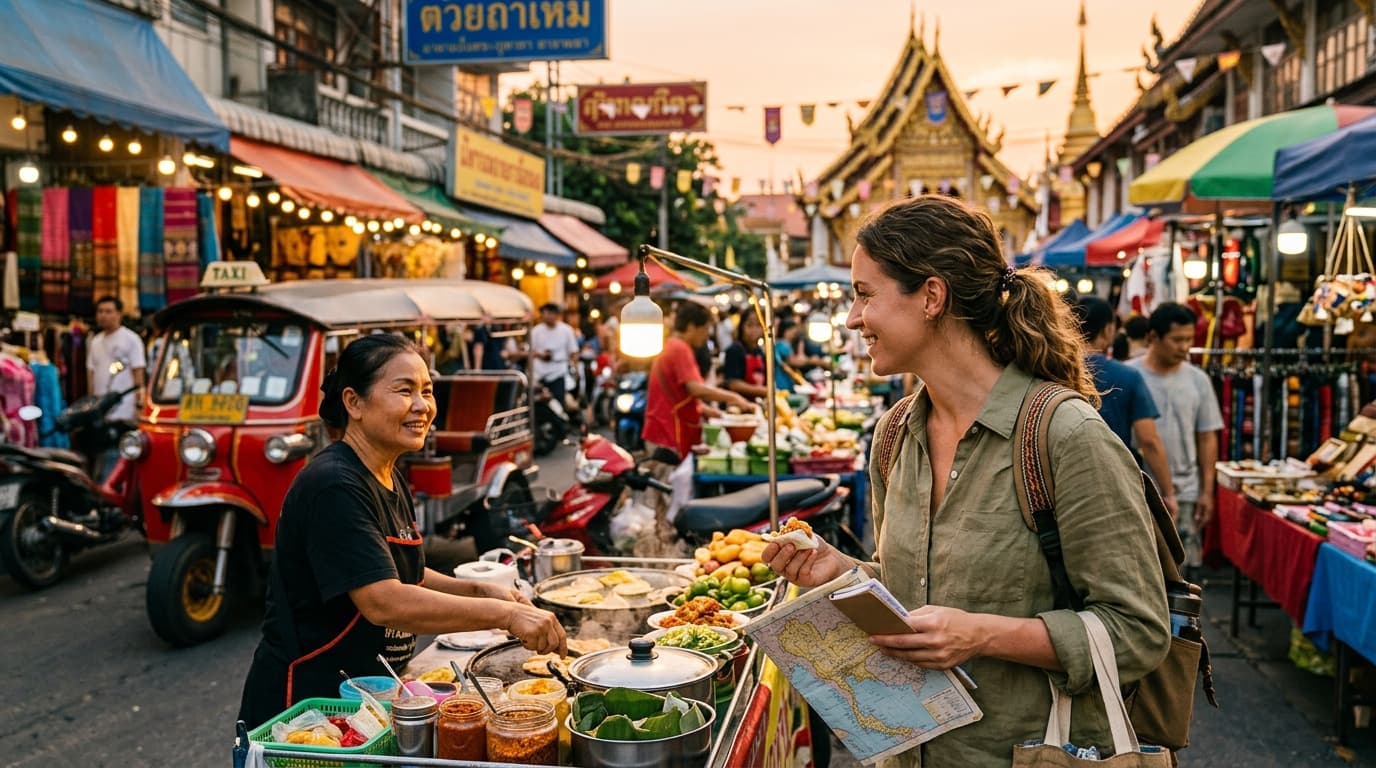
Navigate China safely with expert tips on avoiding scams, staying healthy, and practical advice for a secure trip. Essential guide for worry-free travel.
Imagine stepping off a high-speed train in bustling Beijing, the air humming with energy, only to wonder: how do you stay safe amid the crowds and cultural differences? China travel safety is a top concern for many visitors, but with the right preparation, you can explore its ancient wonders and modern marvels without worry. Our team has spent years researching and testing advice across the country to bring you this practical guide.
Key Takeaways
| Question | Answer |
|---|---|
| Is China safe for tourists? | Generally yes, with low violent crime rates, but petty theft and scams are common in tourist areas—stay vigilant. |
| What are the most common scams? | Tea house scams, fake tour guides, and overpriced taxis; always use official apps like Didi for rides. |
| How can I stay healthy in China? | Get recommended vaccinations, drink bottled water, and wear masks in crowded spots to avoid respiratory issues. |
| What practical items should I pack? | Power adapters for Type A/I outlets, a VPN for internet access, and cash in small RMB denominations. |
| Do I need travel insurance? | Yes, comprehensive coverage for medical emergencies and trip disruptions is essential—check Travel Insurance. |
| How do I handle emergencies? | Dial 110 for police, 120 for medical; download translation apps for communication. |
| Is it safe for solo travelers? | Absolutely, especially in cities like Beijing travel guide, but stick to well-lit areas at night. |
1. Understanding Overall Safety in China
China's vast landscape offers incredible experiences, from the Great Wall to serene temples, but China travel safety requires awareness of urban hustle and rural tranquility. Our team has traversed from the neon lights of Shanghai to the misty mountains of Guilin, noting that while the country ranks as one of Asia's safer destinations for tourists, vigilance against pickpockets in crowded markets is key. Violent crime is rare, but cultural nuances like bargaining can lead to misunderstandings if you're not prepared.
Safety perceptions vary by region—major cities like Beijing and Shanghai have robust police presence, while remote areas demand more self-reliance. During our research trips, we've found that following basic precautions, such as keeping valuables secure, allows for worry-free exploration.
Urban Safety Tips for Cities
In bustling metropolises, the biggest threats are theft and traffic chaos. Stick to well-populated areas and use pedestrian crossings, as jaywalking can be hazardous amid the sea of scooters and cars. Our team observed in Shanghai that downloading a reliable map app helps navigate the subway system efficiently, reducing the risk of getting lost.
For nighttime outings, opt for licensed taxis or ride-sharing services. In our experience visiting Shanghai travel guide after dark, illuminated streets around major attractions feel secure, but avoid isolated alleys.
Rural and Remote Area Precautions
Venturing beyond cities, like to the karst peaks of Yangshuo, brings natural beauty but potential isolation. Carry a portable charger and share your itinerary with someone back home. Team members hiking in rural spots emphasized the importance of weather checks, as sudden rains can make paths slippery.
Did You Know? China has over 1.4 billion people, making it the world's most populous country, which contributes to crowded tourist sites where petty theft occurs more frequently.
Source: World Bank Data
2. Common Scams to Watch Out For
Scams in China often target unsuspecting tourists at popular sites, preying on language barriers and eagerness to experience local culture. Travel scams like the infamous tea house ploy involve friendly strangers inviting you to a "traditional" venue, only to hit you with a massive bill. Our research across multiple cities reveals these are widespread in Beijing's hutongs and Shanghai's Bund, but easy to sidestep with a firm "no thanks."
We've tested avoidance strategies during field visits, finding that sticking to solo or small-group travel deters opportunists. Transparency about these issues builds trust—China's tourism authorities actively crack down, but personal caution remains essential.
The Tea House and Art Gallery Scams
These classics start with a seemingly innocent chat from a local, leading to an overpriced "cultural" experience. In Beijing, near the Forbidden City, our team encountered persistent invitations but walked away unscathed by politely declining and heading to verified spots. Always verify venues through official apps or your hotel concierge.
To counter this, research popular scam hotspots via Safety before arrival. Prices for such setups can escalate to hundreds of RMB without warning—better to enjoy tea at a reputable chain for under 50 RMB.
Taxi and Fake Ticket Scams
At airports or train stations, unlicensed taxis may quote low fares then demand more upon arrival. Use apps like Didi, which our Shanghai trips confirmed as reliable and metered. For attractions, buy tickets online via official sites to avoid counterfeit sellers hawking "express" passes at inflated rates.
Pro Tip: Official Entry: Purchase Great Wall tickets directly from the site to dodge queues and fakes—see Great Wall Tickets.
Budget Saver: Opt for public buses over taxis for short trips, costing around 2-5 RMB versus 20+ for a ride.
Emergency Backup: Have a hotel business card in Chinese to show drivers if needed.
3. Health Precautions for Travelers
Maintaining health in China starts with preparation, as air quality and water standards differ from many Western countries. Our team prioritizes vaccinations and hydration during extended stays, drawing from visits where smog in northern cities prompted mask use. While healthcare is advanced in urban centers, rural access lags, making prevention crucial.
We've compiled advice from official health bodies, emphasizing that foodborne illnesses are the top concern for visitors. In our experience in Guangzhou's street food scenes, choosing busy stalls minimizes risks.
Vaccinations and Medical Prep
Consult a doctor 4-6 weeks before travel for shots like hepatitis A and typhoid, routine for most destinations but vital here. The CDC recommends these for all travelers—our team followed suit before a Guangzhou trip, avoiding any issues. Carry prescriptions and a basic first-aid kit, including antidiarrheal meds.
For COVID-19 or flu, masks remain useful in crowds. Link to Health for region-specific alerts.
Food and Water Safety
Drink only bottled or boiled water to prevent traveler's diarrhea—tap water isn't potable. During our dim sum tastings in Guangzhou travel guide, we stuck to sealed bottles, costing about 3-5 RMB each. Peel fruits and avoid ice in drinks.
Safe Eats: Hot, freshly cooked dishes like Dim Sum food guide are low-risk; steer clear of raw seafood if sensitive.
Hydration Hack: Refillable bottles with built-in filters work well for longer hikes.
Did You Know? China reports over 100 million cases of foodborne illnesses annually, underscoring the need for cautious eating.
Source: World Health Organization China
4. Navigating Transportation Safely
China's transport network is world-class, with high-speed trains covering thousands of kilometers efficiently, but practical advice on safety includes validating tickets and watching belongings. Our Beijing-to-Shanghai rail journeys highlighted the comfort of second-class seats, though pickpockets lurk in stations.
Safety extends to road travel—buses and taxis are regulated, but verify credentials. Team research stresses using official platforms for bookings.
Train and Subway Security
High-speed trains like those from Beijing To Shanghai are safe and punctual, with security checks similar to airports. Keep bags in sight during waits; our experiences show families traveling light fare best.
Subways in cities enforce no-eating rules—fines apply, so comply to avoid hassles.
Road Travel and Ride-Sharing
For intercity buses, choose reputable operators via apps. In Guangzhou, we used Didi for safe, tracked rides, cheaper than taxis at peak times. Avoid hitchhiking, especially in remote areas like Southwest China region guide.
Reliable Route: Book trains in advance for popular lines to secure seats.
Cost-Effective Choice: Economy buses for short hops, around 50-100 RMB.
5. Staying Connected and Informed
Reliable internet is key to China travel safety, as the Great Firewall blocks many sites— a VPN is non-negotiable. Our team tested several during a week in Xi'an, finding they enable access to maps and emergency contacts seamlessly.
Local SIMs or eSIMs provide data; without them, navigation falters in non-English signage areas.
VPN and Internet Essentials
Install a VPN before arrival, as in-country downloads are tricky. For connectivity, eSIMs offer flexibility—see Esim for options. In our Beijing stays, unlimited data plans helped report locations instantly.
Avoid public Wi-Fi for sensitive info; hotels provide secure networks.
Emergency Communication
Download apps like Pleco for translation and WeChat for local contact. Dial international numbers via roaming if needed, but local SIMs cut costs.
Essential App: Offline maps for areas with spotty signal.
Backup Plan: Paper maps of key sites like the Forbidden City Tickets area.
Did You Know? China's internet censorship affects over 10,000 websites, making VPNs crucial for travelers.
Source: Freedom House Report on China
6. Cultural Etiquette and Personal Security
Respecting local customs enhances personal security in China, where faux pas can attract unwanted attention. Our visits to temples taught us that modest dress and quiet demeanor prevent misunderstandings.
Bargaining is expected in markets, but aggression isn't—practice polite negotiation.
Respecting Local Norms
Remove hats indoors at religious sites; photography rules vary. In Tibet region guide, sensitivity to cultural sites is paramount. Team observations note smiling diffuses tensions.
Avoid public displays of affection to blend in.
Personal Belongings Management
Use anti-theft bags in crowds; never leave items unattended. During Shanghai festivals, we secured phones in front pockets effectively.
Secure Storage: Hotel safes for passports.
Daily Habit: Scan valuables app for tracking.
We may earn a small commission from bookings made through our links, at no extra cost to you. This helps us keep creating free travel guides.
7. What to Avoid: Common Mistakes
Tourist traps abound, like overpriced souvenirs near attractions—our research flags these as avoidable with planning. Don't flash wealth; subtle displays invite scams.
In health terms, skipping insurance is a pitfall—emergencies can cost thousands. For transport, ignoring apps leads to rip-offs.
Overrated Spots and Traps
Some "must-see" areas are crowded letdowns; opt for lesser-known paths. In Beijing, we bypassed peak-hour lines at popular walls for quieter sections.
Link to Attractions travel guide for alternatives.
Health and Scam Oversights
Ignoring water safety or engaging strangers blindly tops mistakes. Our Guangzhou trip reinforced bottled water's necessity.
| Mistake | Why Avoid | Alternative | Impact |
|---|---|---|---|
| Drinking Tap Water | Risk of illness | Bottled (3-5 RMB) | Health disruption |
| Unofficial Guides | Overcharges | Official tours | Financial loss |
| No VPN | Blocked access | Pre-installed VPN | Connectivity issues |
| Night Solo Walks | Theft risk | Group or lit areas | Personal safety |
8. Emergency Preparedness and Insurance
Preparation for emergencies ensures peace of mind during your trip. Practical advice includes knowing contacts: 110 for police, 120 for ambulances. Our team carries laminated cards with these numbers.
Travel insurance covers medical evacuations, vital given varying care quality.
Handling Medical Emergencies
Urban hospitals like those in Beijing accept international cards, but rural ones may not—insurance bridges gaps. During a minor Beijing incident, quick app use connected us to English speakers.
See Practical Info for more.
Legal and Evacuation Plans
For visas, check Visa requirements. In crises, contact your embassy.
Key Contact: Embassy hotline on your phone.
Insurance Must: Coverage for adventure activities if trekking.
Is China safe for families?
Yes, with family-friendly infrastructure in cities, but supervise kids in crowds to prevent separations. Use strollers sparingly on uneven paths; our family research trips in Shanghai showed attractions like Disneyland are secure with advance Shanghai Disneyland Tickets.
What should I do if scammed?
Report to police immediately with details; for small amounts, it may not recover funds, but documentation helps insurance claims. Contact your embassy for support—many scams resolve amicably if addressed promptly.
How can I avoid food poisoning?
Choose cooked foods from hygienic spots, avoid street ice, and use hand sanitizer frequently. Probiotics before travel aid gut health; consult Health for specifics.
Do I need a VPN in China?
Essential for accessing Google, Facebook, and more—install before arrival as downloads are restricted. Free versions may be slow; paid ones ensure reliability during your stay.
Is public transport safe at night?
Generally yes in major cities with security, but use ride-shares like Didi for door-to-door safety. Avoid empty subway cars; our late-night Beijing rides felt secure in populated ones.
What health risks are there in rural China?
Altitude sickness in Tibet or insect bites in southern areas—pack repellents and monitor symptoms. Vaccinations cover most; acclimate slowly to high elevations per CDC guidelines.
How do I stay safe from pickpockets?
Use money belts, avoid backpacks in crowds, and stay alert in markets. Divide cash across pockets; this worked well for our team in Guangzhou's busy streets.
In summary, China travel safety hinges on preparation against scams, health risks, and practical hurdles—follow our tips for a secure adventure. Ready to plan? Visit our Beijing travel guide or Shanghai travel guide to start booking. As the Go2China Team, our field-tested insights come from years of on-the-ground research, ensuring you travel confidently.
来源与参考
本文基于编辑研究并使用以下来源进行验证:

关于作者
Go2China Team
Go2China编辑团队结合第一手旅行经验和深厚的文化知识,为您带来准确、最新的中国旅行指南——从长城和故宫到远离游客路线的隐藏宝地。
- ✓在中国各地长期生活和旅行
- ✓团队中有母语级普通话使用者
- ✓信息经官方中国旅游来源验证