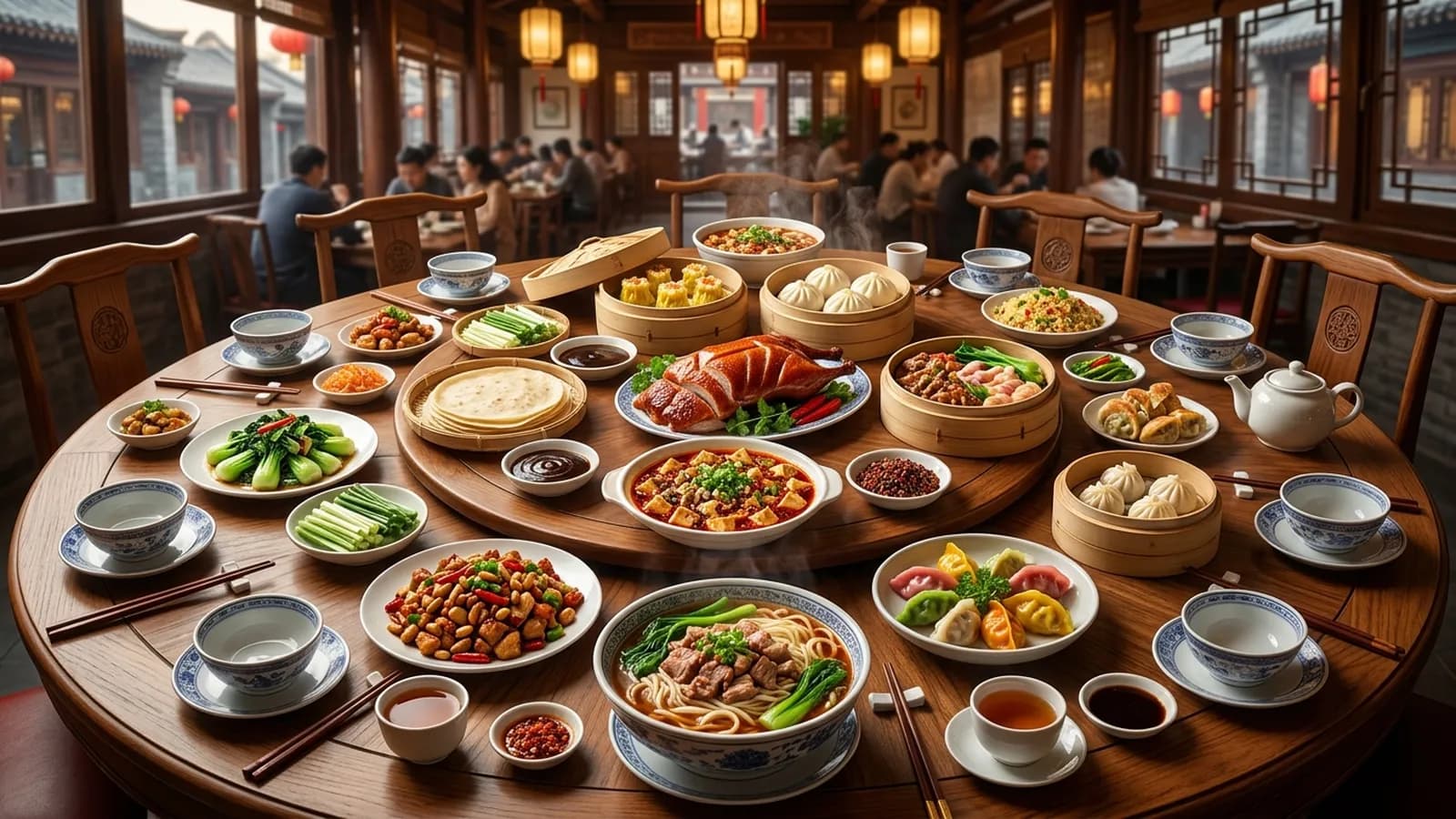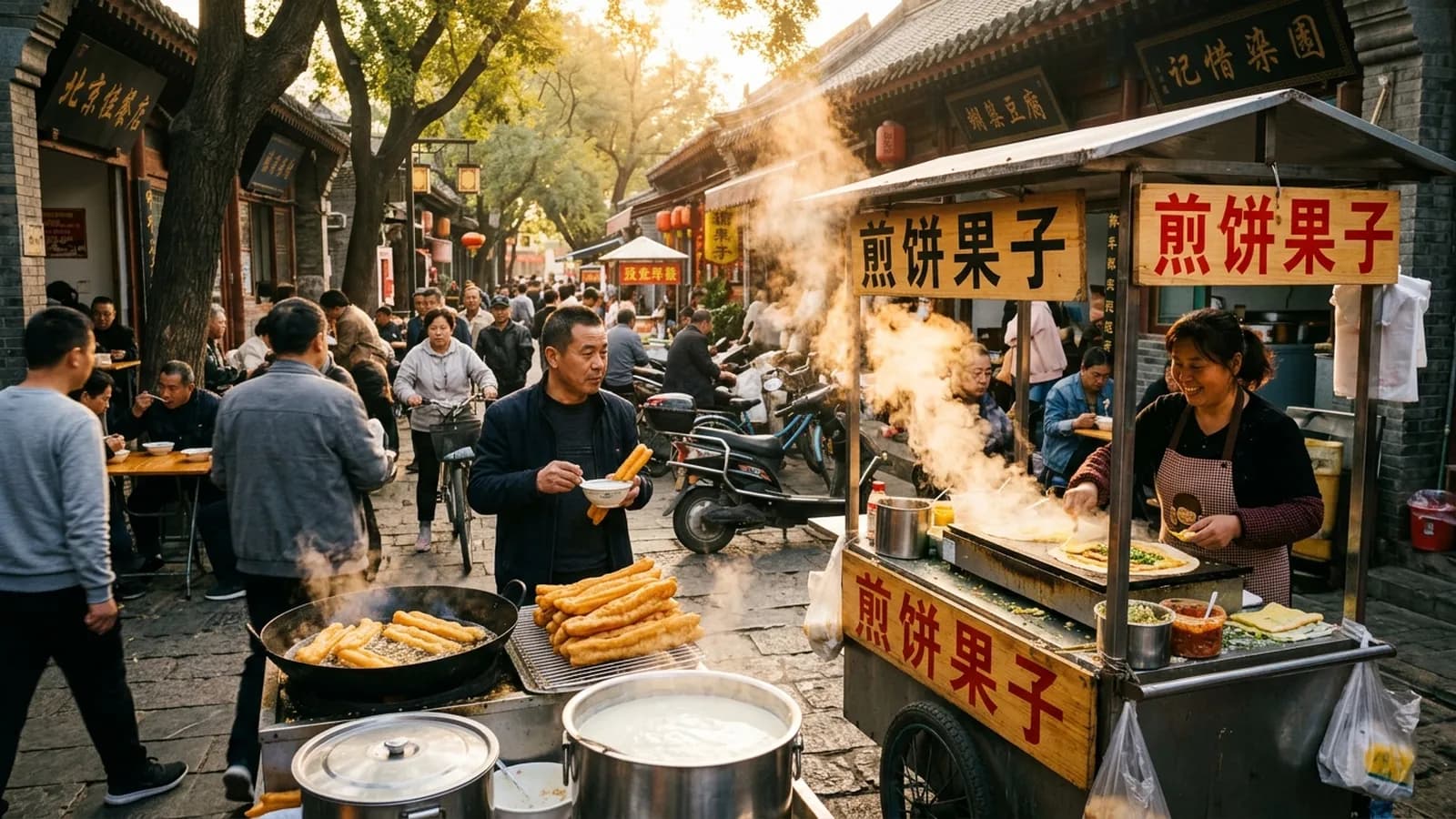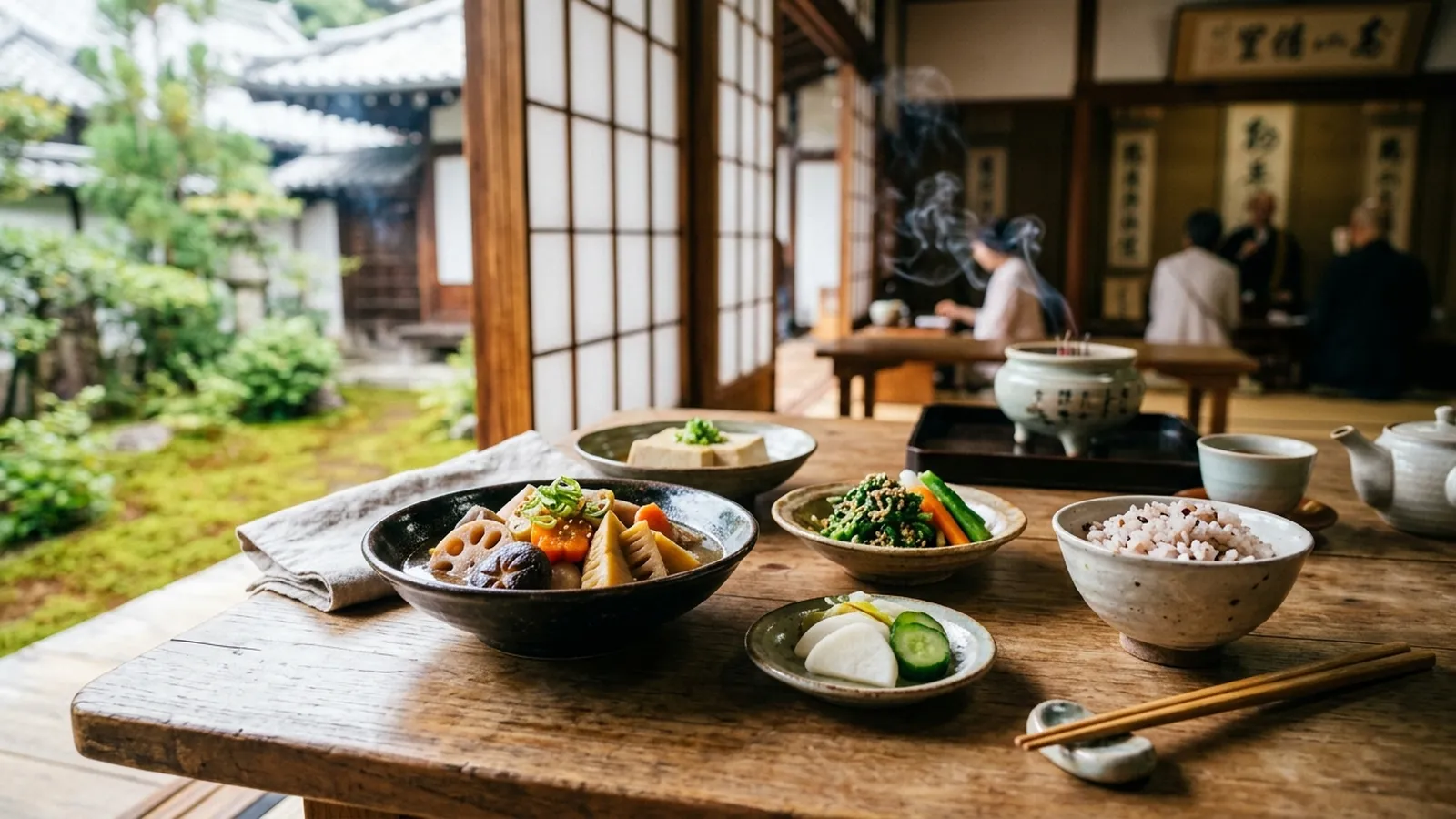
A practical survival guide for vegetarian and vegan travelers in China — Buddhist restaurants, safe dishes, useful phrases, and city-by-city tips.
China might not be the first destination that comes to mind when you think of vegetarian travel, but here is the truth: this country has one of the oldest and richest plant-based culinary traditions on earth. Buddhist vegetarian cuisine has been practiced in Chinese monasteries for over 1,500 years, long before the word "vegan" ever entered the Western vocabulary. The challenge for modern vegetarian travelers is not a lack of plant-based food---it is navigating a culinary landscape where meat, lard, and animal-based stocks often hide in dishes that look entirely vegetable-based. This guide will arm you with the knowledge, phrases, and strategies you need to eat well, eat safely, and eat adventurously across China without compromising your dietary choices.
Key Takeaways
| Question | Answer |
|---|---|
| Can I survive as a vegetarian in China? | Absolutely. Buddhist vegetarian restaurants exist in every major city, and many traditional Chinese dishes are naturally plant-based. |
| What is the biggest hidden danger? | Lard (猪油), oyster sauce (蚝油), and chicken stock (鸡汤) are used in many "vegetable" dishes. Always ask specifically. |
| What phrase should I memorize? | 我吃素 (wǒ chī su) -- "I eat vegetarian." This is universally understood across China. |
| Which city is best for vegetarians? | Shanghai has the largest dedicated vegetarian restaurant scene, followed by Chengdu and Beijing. |
| Are Buddhist temple restaurants reliable? | Yes. They follow strict Buddhist dietary rules: no meat, no seafood, no eggs, and often no dairy or pungent vegetables (garlic, onion). |
| What apps help find veg food? | Dianping (search 素食餐厅), Happy Cow, and Google Maps in larger cities. |
Understanding Buddhist Vegetarian Cuisine (素食)
The backbone of vegetarian eating in China is Buddhist cuisine (素食, sushi -- literally "plain food"). Rooted in the Buddhist principle of ahimsa (non-violence toward all living beings), this tradition has been refined in Chinese monasteries since the 6th century. Unlike Western vegetarianism, which is often defined by what it excludes, Chinese Buddhist cuisine is defined by what it celebrates: the natural flavors of vegetables, grains, mushrooms, and tofu, prepared with remarkable skill.
Traditional Buddhist cuisine follows strict rules. Beyond avoiding all meat, seafood, and eggs, orthodox Buddhist cooking also excludes the "five pungent vegetables" (五荤): garlic, onions, leeks, chives, and shallots. These are believed to disturb meditation. In practice, many modern Buddhist restaurants have relaxed the rule on pungent vegetables, but temple restaurants inside active monasteries typically still observe it.
What makes Buddhist vegetarian cuisine special is the artistry. Skilled chefs create astonishingly realistic "mock meat" dishes using wheat gluten (面筋), soy protein, konjac, and mushrooms. You will find dishes that look and taste remarkably like Peking duck, sweet-and-sour pork, or braised fish---all entirely plant-based. This tradition of imitation meat dates back centuries and represents some of the most technically impressive vegetarian cooking anywhere in the world.
Temple Food Experiences You Should Not Miss
Eating at a Buddhist temple restaurant is one of the most memorable culinary experiences China offers. These restaurants operate inside or adjacent to active temples, and they serve food that is 100% plant-based, usually at very affordable prices.
Top Temple Restaurants
-
Lingyin Temple (灵隐寺), Hangzhou: The Shifangyuan restaurant near this famous temple serves excellent Luohan noodles---thick noodles in a light vegetable broth packed with bamboo shoots, mushrooms, and seasonal greens. Noodle bowls start at just 15-20 CNY ($2-3 USD). The setting among ancient trees and temple grounds makes the meal feel sacred.
-
Wenshu Monastery (文殊院), Chengdu: Set within the grounds of a historic Buddhist temple, this buffet-style vegetarian restaurant offers a diverse spread of plant-based dishes, including vegetarian hotpot and creative faux meats. Portions are generous and prices are low---expect to pay around 30-50 CNY for a full meal.
-
Jade Buddha Temple (玉佛寺), Shanghai: The temple restaurant here serves refined Buddhist cuisine in an elegant setting. The mock goose and sesame tofu are standouts. Slightly more expensive than monastery canteens, but still affordable at 50-80 CNY per person.
-
Nanputuo Temple (南普陀寺), Xiamen: Famous throughout China for its vegetarian cooking, this temple restaurant has been serving plant-based food since 1927. The chefs here are renowned for their mock seafood dishes, appropriate given Xiamen's coastal setting.
Practical tip: Temple restaurants typically serve lunch from 11:00 to 13:00 and close early. Arrive before noon for the best selection. Some temples also serve a simple breakfast (congee and steamed buns) from 6:00 to 8:00.
Naturally Vegetarian Chinese Dishes to Order With Confidence
You do not need to limit yourself to dedicated vegetarian restaurants. Many classic Chinese dishes are naturally plant-based---you just need to know which ones to look for. Here is your safe-order list:
Reliable Vegetarian Dishes
- Mapo Tofu (麻婆豆腐) -- Request it without minced meat: 不要肉 (bu yao rou). The base of silky tofu in a numbing, spicy sauce is inherently vegetarian. Specify no meat and most restaurants will comply.
- Di San Xian (地三鲜) -- A northeastern Chinese classic: stir-fried potatoes, eggplant, and green peppers. Almost always vegetarian.
- Garlic Water Spinach (蒜蓉空心菜) -- Water spinach stir-fried with garlic. Simple, delicious, and reliably meat-free.
- Stir-Fried Tomato and Egg (番茄炒蛋) -- China's most beloved home-style dish. Suitable for ovo-vegetarians. Confirm no meat stock is used.
- Tiger Skin Peppers (虎皮辣椒) -- Blistered green peppers with soy sauce and vinegar. Purely plant-based.
- Smashed Cucumber Salad (拍黄瓜) -- A cold dish of cucumbers with garlic, vinegar, and sesame oil. Ubiquitous and always vegetarian.
- Hot and Sour Soup (酸辣汤) -- Often made with a vegetable or mushroom base, but always ask if chicken stock is used. Specify 素的 (su de -- vegetarian version).
- Braised Tofu (红烧豆腐) -- Tofu braised in a rich soy-based sauce. Confirm no oyster sauce.
- Mushroom dishes (蘑菇类) -- China's mushroom variety is staggering: shiitake, king oyster, enoki, wood ear, and more. Stir-fried mushroom medleys are commonly available and naturally vegan.
- Steamed Eggplant (蒸茄子) -- Steamed and dressed with a light garlic-soy dressing. Reliably plant-based.
- Cold Tofu Skin (凉拌腐竹) -- Dried tofu skin rehydrated and served cold with sesame sauce and chili. A protein-rich vegan staple.
Rice and Noodle Staples
- Plain Steamed Rice (白米饭) -- Always safe.
- Fried Rice (炒饭) -- Usually contains egg and sometimes diced meat. Request 素炒饭 (su chao fan -- vegetable fried rice) with no egg if vegan.
- Zhajiangmian (炸酱面) -- The traditional version uses pork sauce, but many noodle shops offer a 素酱面 (su jiang mian -- vegetarian sauce noodle) option.
- Plain Noodle Soup (素汤面) -- Specify vegetable broth.
Hidden Meat and Stock: What to Watch Out For
This is where vegetarian travel in China gets tricky. Many dishes that appear vegetarian contain hidden animal products. Knowing what to watch for can save you from unpleasant surprises.
The Usual Suspects
- Lard (猪油, zhuyou): Traditionally used for stir-frying vegetables and even in some sweet pastries and baked goods. Very common in Sichuan and Hunan cooking. Ask: 用什么油炒的?(yong shenme you chao de? -- What oil is this cooked in?)
- Oyster Sauce (蚝油, haoyou): Added to many vegetable stir-fries for umami depth. It is in nearly everything at casual restaurants. Ask: 有没有蚝油?(you mei you haoyou? -- Does this contain oyster sauce?)
- Chicken Stock or Powder (鸡汤/鸡精, jitang/jijing): Used as a base for soups, braised dishes, and even some stir-fry sauces. Extremely common. The ubiquitous seasoning 鸡精 (chicken essence powder) shows up in nearly every wok station.
- Dried Shrimp (虾皮, xiapi): Tiny dried shrimp are scattered into stir-fried greens and soups as a flavor booster, often invisible once mixed in.
- Pork Floss (肉松, rousong): Appears as a topping on savory pastries, congee, and some bread products. It looks like fluffy golden threads and is easy to mistake for a plant-based garnish.
- Fish Sauce and Shrimp Paste: More common in southern China and Yunnan. Used in dipping sauces and stir-fries.
The Egg Situation
Eggs are everywhere in Chinese cooking. Many "vegetable" dishes include egg as a secondary ingredient---fried rice, certain noodle dishes, and some tofu preparations. If you are vegan, you must specify 不要鸡蛋 (bu yao jidan -- no eggs) in addition to your other dietary requests.
Essential Mandarin Phrases for Vegetarian Travelers
Communication is your most powerful tool. Memorize these phrases or, better yet, save them as screenshots on your phone to show restaurant staff.
Must-Know Phrases
| Chinese | Pinyin | English |
|---|---|---|
| 我吃素 | wǒ chī su | I eat vegetarian |
| 我不吃肉 | wǒ bu chī rou | I don't eat meat |
| 不要肉 | bu yao rou | No meat |
| 不要鸡蛋 | bu yao jidan | No eggs |
| 不要鱼 | bu yao yu | No fish |
| 不要海鲜 | bu yao haixian | No seafood |
| 有没有素菜? | you mei you su cai? | Do you have vegetarian dishes? |
| 这个有肉吗? | zhege you rou ma? | Does this have meat? |
| 用什么油炒的? | yong shenme you chao de? | What oil is this cooked in? |
| 不要蚝油 | bu yao haoyou | No oyster sauce |
| 不要鸡精 | bu yao jijing | No chicken powder |
| 可以不放肉吗? | keyi bu fang rou ma? | Can you leave out the meat? |
| 纯素 | chun su | Strictly vegan (no animal products at all) |
The Vegetarian Card Strategy
The most effective approach is to prepare a diet card in Chinese. Write or print the following text and show it to your server:
您好!我吃素。我不吃任何肉类(包括猪肉、鸡肉、牛肉、羊肉)、鱼、虾和其他海鲜。请不要用猪油、蚝油或鸡精。谢谢!
Translation: "Hello! I eat vegetarian. I do not eat any meat (including pork, chicken, beef, lamb), fish, shrimp, or other seafood. Please do not use lard, oyster sauce, or chicken powder. Thank you!"
Save this as a note on your phone. It removes the language barrier almost entirely and shows restaurant staff exactly what you need.
Best Cities for Vegetarian Travelers
Not all Chinese cities are created equal when it comes to vegetarian dining. Here is a city-by-city breakdown to help you plan your itinerary.
Shanghai -- The Vegetarian Capital
Shanghai is hands-down the best city in China for vegetarians. The city has the largest dedicated vegetarian restaurant scene in the country, driven by a cosmopolitan dining culture and a strong Buddhist tradition. The Jing'an and Xintiandi neighborhoods alone have multiple vegetarian restaurants within walking distance. You will find everything from casual Buddhist noodle shops to upscale plant-based fine dining. The city's international influence means staff at many restaurants understand dietary restrictions without extensive explanation.
Recommended areas: Jing'an Temple area, Xintiandi, French Concession, Lujiazui.
Chengdu -- Spicy and Meat-Free
Chengdu might seem like an unlikely vegetarian destination given Sichuan cuisine's famous love of meat, but the city has a thriving vegetarian scene rooted in its Buddhist heritage. The Wenshu Monastery vegetarian buffet is a must-visit. Beyond temple food, Chengdu's spice-forward cooking translates beautifully to plant-based dishes---mapo tofu without meat, dry-fried green beans, and mushroom hotpot are spectacular. Mi Xun Teahouse gained attention as one of the city's standout vegetarian dining experiences, offering refined Sichuan-style plant-based cuisine.
Recommended areas: Wenshu Monastery neighborhood, Kuanzhai Alley, Jinli Ancient Street.
Beijing -- Imperial Vegetarian Traditions
Beijing's vegetarian scene has grown considerably. The city offers a mix of traditional Buddhist restaurants near its many temples and a growing number of modern vegetarian eateries. The area around Lama Temple (Yonghegong) has several excellent vegetarian restaurants. Beijing also has strong options for Muslim vegetarian food in the Niujie neighborhood, where Hui Muslim cooking features many vegetable and noodle dishes.
Recommended areas: Lama Temple area, Wudaoying Hutong, Gulou, Nanluoguxiang.
Hangzhou -- Tea and Tofu
Hangzhou is a vegetarian's dream. The city's cuisine already leans lighter than most Chinese regional cooking, with an emphasis on fresh vegetables, bamboo shoots, and delicate tofu preparations. The Lingyin Temple area is home to some of China's best Buddhist vegetarian food. Longjing tea-infused dishes---tea-scented tofu, tea-flavored vegetables---are a Hangzhou specialty that happens to be naturally vegetarian.
Recommended areas: Lingyin Temple area, West Lake surroundings, Hefang Street.
Shenzhen and Guangzhou -- Dim Sum Challenges
The Cantonese south is trickier for vegetarians because dim sum culture revolves around meat and seafood dumplings. However, both cities have seen rapid growth in plant-based restaurants catering to a younger, health-conscious crowd. Look for dedicated vegetarian dim sum restaurants, which offer plant-based versions of har gow, siu mai, and char siu bao. Shenzhen, in particular, has a booming health-food scene.
Apps and Tools to Find Vegetarian Food
Technology makes vegetarian travel in China significantly easier. Here are the apps you should have on your phone before you arrive.
Dianping (大众点评)
This is China's equivalent of Yelp and by far the most comprehensive restaurant discovery tool. Search 素食餐厅 (su shi canting -- vegetarian restaurant) or simply 素食 to find options near you. Dianping has ratings, photos, menus, and price ranges for virtually every restaurant in China. The app is in Chinese, but the photos and star ratings are universally understandable. Consider using your phone's translation feature to navigate menus.
Happy Cow
The global vegetarian restaurant finder works in China's major cities. It is not as comprehensive as Dianping for smaller cities, but its curated listings in Shanghai, Beijing, and Chengdu are reliable and include English-language reviews from fellow travelers.
WeChat Mini Programs
Many vegetarian restaurants in China operate WeChat mini programs for ordering and delivery. Once you have WeChat set up (essential for any China trip), search for 素食 within the mini-program ecosystem.
Meituan and Ele.me
China's two major food delivery platforms both allow you to filter for vegetarian restaurants. Search 素食 and you can have plant-based meals delivered to your hotel. This is a lifesaver when you are exhausted from sightseeing and do not have the energy to navigate a new restaurant.
The Glory of Tofu: China's Plant Protein Powerhouse
No vegetarian guide to China would be complete without celebrating tofu in all its forms. China invented tofu over 2,000 years ago, and the variety available here far exceeds what you find in Western supermarkets.
- Silken Tofu (嫩豆腐): Soft and custard-like. Used in mapo tofu, soups, and steamed dishes.
- Firm Tofu (老豆腐): Dense and chewy. Ideal for stir-frying and braising.
- Pressed Tofu (豆腐干): Extra-firm and sliceable. Often stir-fried with vegetables or served cold.
- Tofu Skin (腐竹): Dried sheets of soy milk skin. Rehydrated and used in stir-fries, hot pot, and cold dishes.
- Stinky Tofu (臭豆腐): Fermented and deep-fried. A street food classic that is almost always vegan---though the smell takes courage. Check that it is not fried in animal fat.
- Tofu Pudding (豆腐花/豆花): Silky, warm, and served with sweet syrup (south) or savory toppings (north). A beloved breakfast and snack.
- Frozen Tofu (冻豆腐): Tofu that has been frozen and thawed, creating a spongy texture perfect for absorbing hotpot broth.
In Yunnan province, look for Jianshui tofu (建水豆腐)---tiny rounds of tofu grilled over charcoal and dipped in chili sauce. It is one of the great street food experiences in China and entirely vegan.
Practical Tips for Day-to-Day Eating
Hotpot Strategy
Hotpot is one of the most vegetarian-friendly dining experiences in China, provided you approach it correctly. Most hotpot restaurants offer a mushroom broth (菌汤锅, juntang guo) or tomato broth (番茄锅, fanqie guo) as an alternative to the standard meat-based soup. Order a split pot (鸳鸯锅, yuanyang guo) if dining with meat-eating companions. Then load up on vegetables, mushrooms, tofu, potato slices, sweet potato noodles, and lotus root from the ingredient menu.
Warning: The classic spicy Sichuan hotpot broth almost always contains beef tallow (牛油, niuyou). Always confirm the broth base before ordering.
Breakfast Solutions
Chinese breakfast can be tricky. Many items contain meat or are fried in lard. Safe options include:
- Soy milk (豆浆, doujiang) -- available everywhere, freshly made.
- Youtiao (油条) -- fried dough sticks. Usually vegan, but ask about the frying oil.
- Congee/porridge (粥) -- plain rice congee (白粥) is safe. Avoid versions with meat floss (肉松) on top.
- Steamed buns (馒头, mantou) -- plain steamed bread, always vegan.
- Vegetable baozi (菜包子) -- steamed buns with vegetable filling. Confirm no pork is mixed in.
Convenience Store Survival
When all else fails, convenience stores (7-Eleven, FamilyMart, Lawson) in Chinese cities stock:
- Onigiri-style rice balls with vegetable fillings
- Instant noodles (check ingredients---many are vegetarian-flavored)
- Fresh fruit, nuts, and soy milk
- Bread and pastries (check for meat floss topping)
Frequently Asked Questions
Is China harder for vegetarians than other Asian countries?
It is more challenging than India or Thailand, but easier than you might expect. The main difficulty is hidden animal products in seemingly vegetarian dishes. With preparation and the right phrases, you can eat very well.
Can I find vegan food easily?
Vegan food is readily available at Buddhist restaurants, which are inherently vegan (and often exclude garlic and onion too). Outside of Buddhist restaurants, you will need to specifically request no eggs and no dairy, though dairy is relatively uncommon in traditional Chinese cooking.
What about food allergies on top of vegetarianism?
If you have additional allergies (gluten, soy, nuts), China becomes significantly more challenging. Soy and wheat gluten are staples of vegetarian Chinese cooking. Prepare detailed allergy cards in Chinese and consider booking guided food tours where a local can help communicate your needs.
Will restaurant staff understand my dietary needs?
In major cities, saying 我吃素 (I eat vegetarian) is widely understood. In rural areas, the concept may be less familiar, and staff might not realize that chicken stock or lard "counts" as non-vegetarian. This is where your written diet card becomes essential.
How do I handle banquets or group dinners?
Chinese dining is communal, and banquets typically feature many shared dishes. Inform your host in advance that you eat vegetarian (我吃素). Most hosts will ensure at least several vegetarian dishes are ordered. At formal banquets, there is almost always a tofu dish, a vegetable stir-fry, and a mushroom dish among the many courses.
Are there vegetarian cooking classes I can take?
Yes. Shanghai, Chengdu, and Beijing all have cooking schools offering vegetarian Chinese cooking classes. These typically run 2-4 hours, cost 200-500 CNY ($28-70 USD), and teach you to make dishes like mapo tofu, kung pao mushrooms, and Buddhist-style stir-fries. Search on Dianping or ask your hotel concierge for recommendations.
Is street food safe for vegetarians?
Street food requires more vigilance because vendors cook quickly and may use shared cooking surfaces with meat products. Stick to visibly plant-based items: grilled corn, roasted sweet potatoes, fruit stalls, and stinky tofu stands. Always confirm the frying oil is vegetable-based.
Traveling as a vegetarian in China is not just survivable---it is genuinely rewarding. The country that invented tofu, perfected mushroom cookery, and built an entire culinary tradition around Buddhist plant-based principles has more to offer vegetarian travelers than almost anywhere else on earth. The key is preparation: learn a few phrases, download the right apps, seek out temple restaurants, and approach every meal as an opportunity to discover something extraordinary. China's vegetarian heritage runs deep, and with this guide in hand, you are ready to explore it.

关于作者
Go2China Team
Go2China编辑团队结合第一手旅行经验和深厚的文化知识,为您带来准确、最新的中国旅行指南——从长城和故宫到远离游客路线的隐藏宝地。
- ✓在中国各地长期生活和旅行
- ✓团队中有母语级普通话使用者
- ✓信息经官方中国旅游来源验证