
Xiaolongbao (Soup Dumplings)

Xiaolongbao (Soup Dumplings)

小笼包Snack

基本信息

中文名称

小笼包

类别

Snack

地区

Shanghai

辣度

🌿 Not Spicy

价格范围

¥¥ Moderate

关于Xiaolongbao (Soup Dumplings)

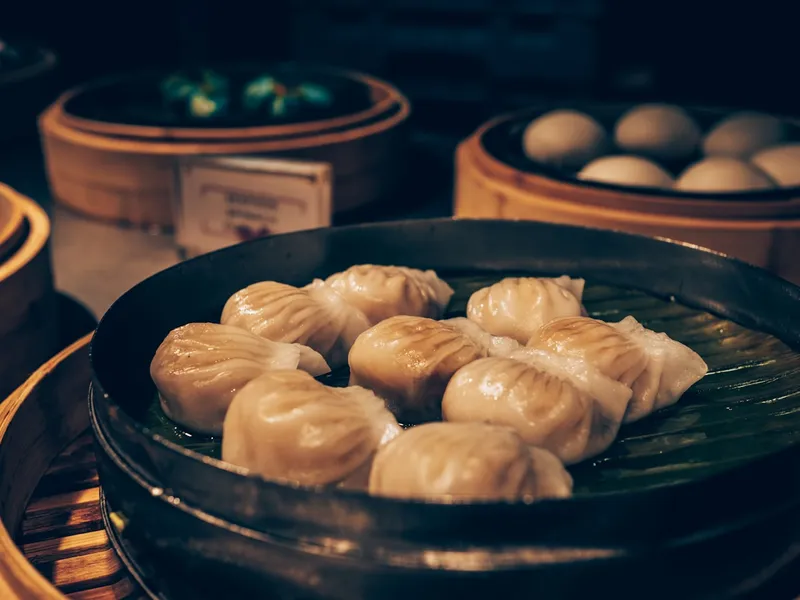
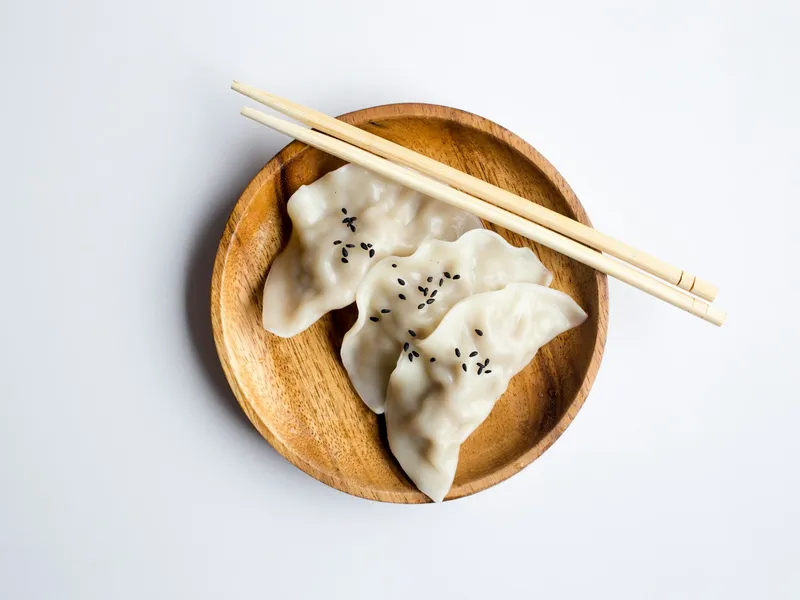
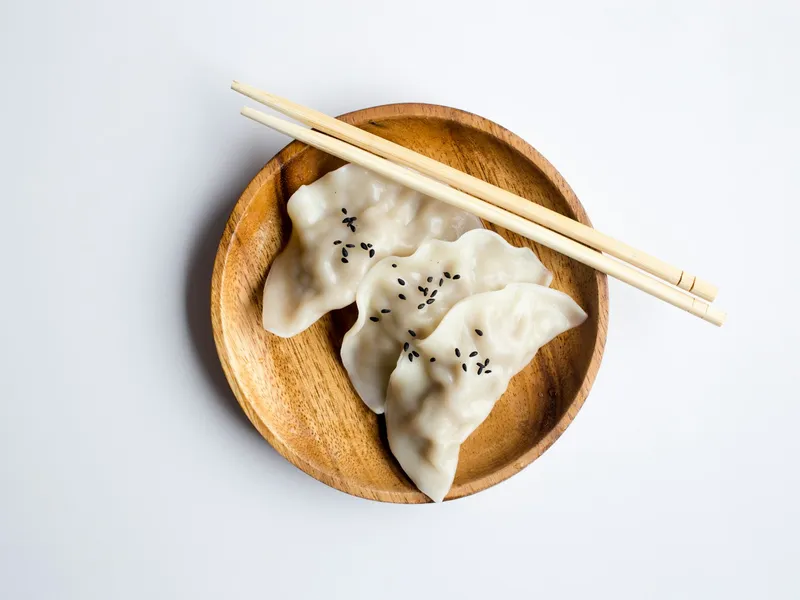
Shanghai's signature soup dumplings are delicate steamed parcels with thin, pleated wrappers that contain a savory pork filling and a burst of rich, flavorful broth. The secret is a gelatinized broth mixed into the filling that liquefies when steamed. Eaten by carefully biting a small hole, sipping the soup, then dipping in black vinegar with ginger.

Xiaolongbao (Soup Dumplings) is a cornerstone of Shanghai cuisine and one of the most beloved dishes in China. Whether served at a humble street stall or an upscale restaurant, this dish showcases the depth and balance that Chinese cooking is famous for. Travellers often cite Xiaolongbao (Soup Dumplings) as a highlight of their culinary journey through China.

历史与起源

Chinese snacks and street food carry centuries of culinary tradition, many originating from market vendors and festival celebrations during the Tang and Song dynasties. These small bites were designed for communal sharing and on-the-go enjoyment, and remain the beating heart of China's vibrant food culture today.

The story of Xiaolongbao (Soup Dumplings) is intertwined with the culinary traditions of the Shanghai region, where generations of cooks have refined the recipe to its current form. Today it is enjoyed not only in its region of origin but across all of China and in Chinese restaurants worldwide.

制作方法

Many Chinese snacks involve intricate handwork, from pleating dumpling skins to layering flaky pastry dough. Street vendors spend years perfecting a single preparation, whether it is shaping baozi buns or achieving the ideal crispy exterior on a scallion pancake. The simplicity of ingredients belies the skill required.

When ordering Xiaolongbao (Soup Dumplings) in China, watch for restaurants where the dish is prepared fresh to order rather than pre-made. The aroma, texture, and presentation of a freshly prepared Xiaolongbao (Soup Dumplings) are unmistakable. Do not hesitate to ask the staff about their preparation method -- it is a great conversation starter and shows genuine interest in the food.

在哪里品尝Xiaolongbao (Soup Dumplings)

For the most authentic Xiaolongbao (Soup Dumplings), head to the cities where this dish has its roots. Local restaurants and street vendors in these cities have perfected the recipe over generations. Look for busy, no-frills eateries -- a crowd of locals is the best quality indicator. Many travellers find that tasting Xiaolongbao (Soup Dumplings) in its region of origin is an entirely different experience from ordering it elsewhere.

Travel guide for Shanghai
East China

Shanghai

China's largest city and a global financial hub, Shanghai dazzles visitors with its futuristic skyline along the Pudong waterfront and the colonial-era architecture of the Bund. Known for its vibrant nightlife, world-class dining, and rich art scene, Shanghai represents the cutting edge of modern China.

The BundYu Garden+4 更多
探索城市
Xiaolongbao (Soup Dumplings)搭配饮品

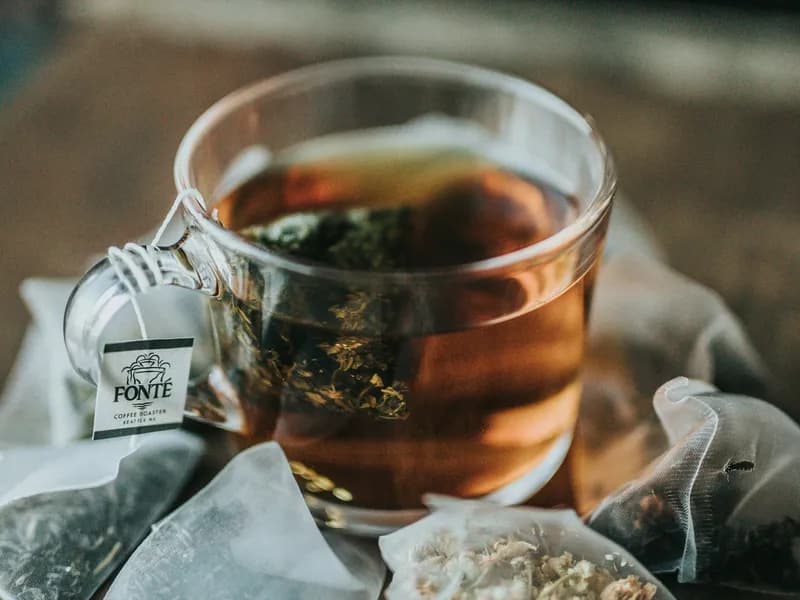
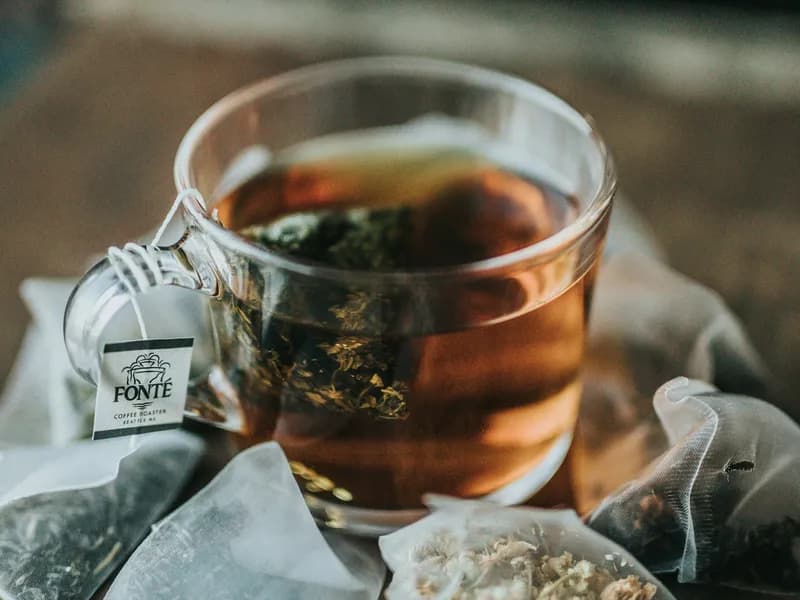
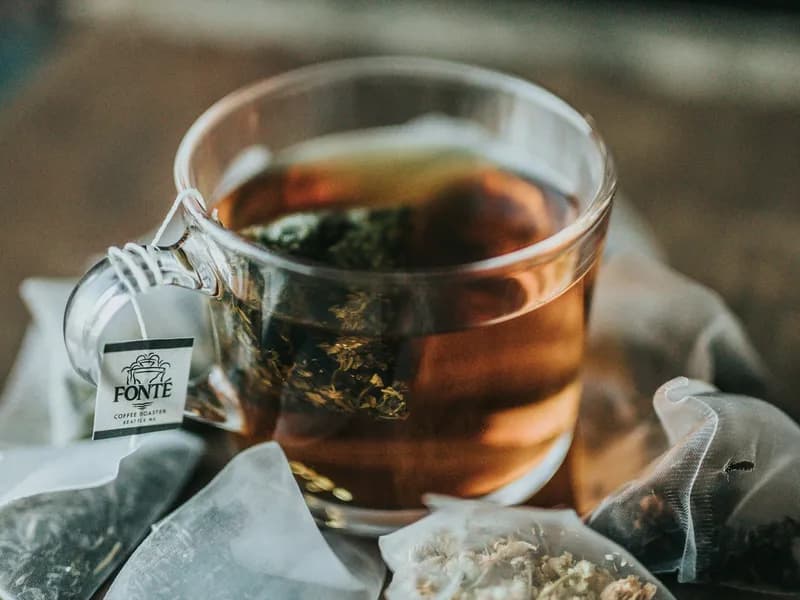
Choosing the right drink elevates the experience of Xiaolongbao (Soup Dumplings). In China, meals are traditionally accompanied by tea, beer, or spirits depending on the occasion and the weight of the dish. Here are our recommended pairings to complement Xiaolongbao (Soup Dumplings).

Chinese Green Tea
teahot

Chinese Green Tea

The most widely consumed tea in China, green tea is prized for its fresh, grassy flavor and numerous health benefits. Famous varieties include Longjing (Dragon Well) from Hangzhou, Biluochun from Suzhou, and Huangshan Maofeng from Anhui. Green tea undergoes minimal oxidation, preserving its delicate flavor and bright green color. It has been a cornerstone of Chinese culture for over 3,000 years.

Oolong Tea
teahot

Oolong Tea

A partially oxidized tea that falls between green and black tea, oolong offers a complex spectrum of flavors from floral and creamy to roasted and woody. Tieguanyin from Fujian and Da Hong Pao from the Wuyi Mountains are among the most celebrated oolongs. The traditional gongfu tea ceremony, especially popular in Fujian and Guangdong, is built around the careful preparation of oolong tea.

Pu-erh Tea
teahot

Pu-erh Tea

A unique fermented tea from Yunnan Province that improves with age, much like fine wine. Pu-erh undergoes a microbial fermentation process that gives it a deep, earthy, and smooth flavor. Aged pu-erh cakes can command thousands of dollars and are prized by collectors. It is traditionally valued for its digestive benefits and is often served after heavy meals.

相似菜肴

Dim Sum
snackmoderate

Dim Sum

Spice: none

A Cantonese culinary tradition of small bite-sized dishes served in bamboo steamer baskets, typically enjoyed with tea during brunch. Dim sum encompasses hundreds of varieties including dumplings, buns, rolls, and pastries. The social ritual of yum cha, or drinking tea with dim sum, is a cornerstone of southern Chinese food culture.

Jiaozi (Dumplings)
snackbudget

Jiaozi (Dumplings)

Spice: none

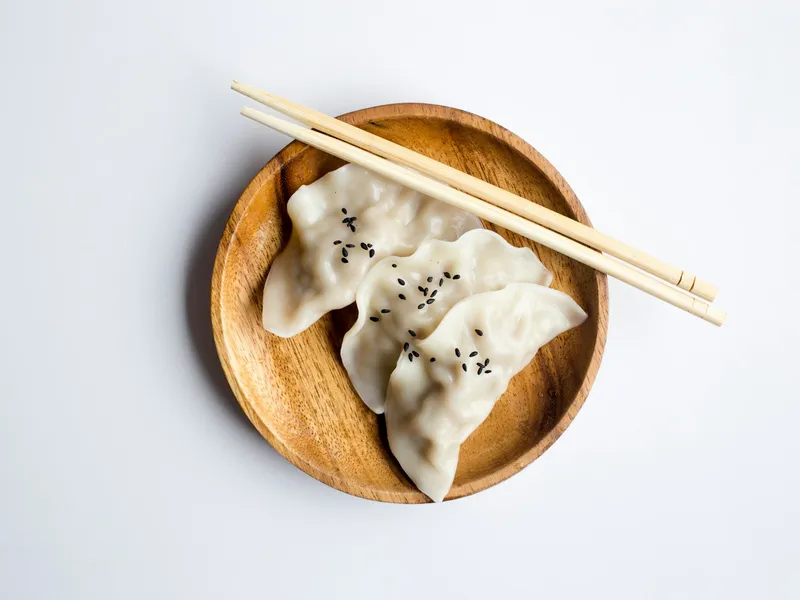
China's most beloved comfort food, jiaozi are crescent-shaped dumplings filled with seasoned minced pork and vegetables, then boiled, steamed, or pan-fried. Making dumplings together is a cherished family tradition, especially during Chinese New Year when they symbolize wealth due to their resemblance to ancient gold ingots. Served with a dipping sauce of vinegar, soy sauce, and chili oil.

Spring Rolls
snackbudget

Spring Rolls

Spice: none

Crispy golden cylinders filled with a mixture of julienned vegetables, sometimes with pork or shrimp, wrapped in a thin wheat or rice flour wrapper and deep-fried until perfectly crunchy. Traditionally eaten during the Spring Festival to celebrate the arrival of spring, these popular appetizers come in countless regional variations across China.

Baozi (Steamed Buns)
snackbudget

Baozi (Steamed Buns)

Spice: none

Fluffy, cloud-like steamed buns filled with savory or sweet fillings, baozi are an everyday staple enjoyed across China for breakfast and as snacks. Popular fillings include seasoned pork, vegetables, red bean paste, and custard. The pillowy white dough, made with yeast, contrasts beautifully with the rich, flavorful filling inside.

Zongzi (Sticky Rice Dumplings)
snackbudget

Zongzi (Sticky Rice Dumplings)

Spice: none

Pyramid-shaped parcels of glutinous sticky rice wrapped in bamboo or reed leaves and steamed or boiled, traditionally eaten during the Dragon Boat Festival. Northern zongzi tend to be sweet, filled with dates or red bean paste, while southern versions are savory with pork belly, salted egg yolk, and mushrooms. The annual north-vs-south zongzi debate is a beloved cultural tradition.

Scallion Pancakes
snackbudget

Scallion Pancakes

Spice: none

Flaky, crispy flatbreads made by rolling and folding dough with rendered lard or oil and chopped scallions to create dozens of thin, shatteringly crisp layers. Pan-fried on a griddle until golden and fragrant, scallion pancakes are one of China's most popular street breakfast items. The mesmerizing spiral layers and savory aroma make them irresistible at any time of day.

常见问题

What does Xiaolongbao (Soup Dumplings) taste like?
Shanghai's signature soup dumplings are delicate steamed parcels with thin, pleated wrappers that contain a savory pork filling and a burst of rich, flavorful broth. The secret is a gelatinized broth mixed into the filling that liquefies when steamed.
Is Xiaolongbao (Soup Dumplings) spicy?
No, Xiaolongbao (Soup Dumplings) is not spicy at all. It is mild and approachable for all palates, including children and those who prefer gentler flavours.
Where can I try authentic Xiaolongbao (Soup Dumplings)?
For the most authentic Xiaolongbao (Soup Dumplings), head to Shanghai where this dish originates. Local restaurants and street vendors in these cities have perfected the recipe over generations. Look for busy, no-frills eateries — a crowd of locals is the best quality indicator.
How much does Xiaolongbao (Soup Dumplings) cost in China?
Xiaolongbao (Soup Dumplings) falls in the moderate range. Mid-range pricing, usually ¥30–80 (about $4–11). Found at sit-down restaurants with a wider menu. Prices can vary significantly between a street stall and a high-end restaurant serving the same dish.
What is Xiaolongbao (Soup Dumplings) in Chinese?
Xiaolongbao (Soup Dumplings) is called 小笼包 in Chinese. Showing the characters to a restaurant server or taxi driver can be very helpful. You can also save the Chinese name on your phone for quick reference when ordering.
Is Xiaolongbao (Soup Dumplings) vegetarian-friendly?
The traditional version of Xiaolongbao (Soup Dumplings) contains meat or animal products. However, vegetarian Chinese cuisine is widespread, and many restaurants can prepare a modified version on request. Buddhist vegetarian restaurants offer fully plant-based menus if you want to be certain.

标签

shanghaisnackdumplingssteamediconic

China美食推荐

发现China最美味的菜肴。