Protect yourself from common China scams. Learn real tactics, exact prices, and proven prevention strategies from experienced travelers.
After three years living in Beijing and countless trips through Shanghai, Yunnan, and Sichuan, our team has encountered nearly every China scam in the book—and learned how to spot them a mile away. While China is statistically one of Asia's safest destinations, tourists remain targets for a specific breed of well-organized schemes. The good news? Most are entirely preventable once you know what to watch for.
Key Takeaways
| Question | Answer |
|---|---|
| What are the most common scams? | Tea house, fake tours, overpriced taxis, counterfeit goods, and currency exchange schemes |
| How much do scams typically cost? | CNY 200–2,000 (USD 28–280) per incident, though some reach CNY 5,000+ |
| Which cities are highest-risk? | Beijing, Shanghai, and Guangzhou have the most reported tourist scams |
| How do I report a scam? | Contact local police (110) or your embassy; keep receipts and documentation |
| Can I get my money back? | Rarely—prevention is far more effective than recovery |
| Is China safe overall? | Yes; scams target tourists specifically, not residents. Exercise normal precautions |
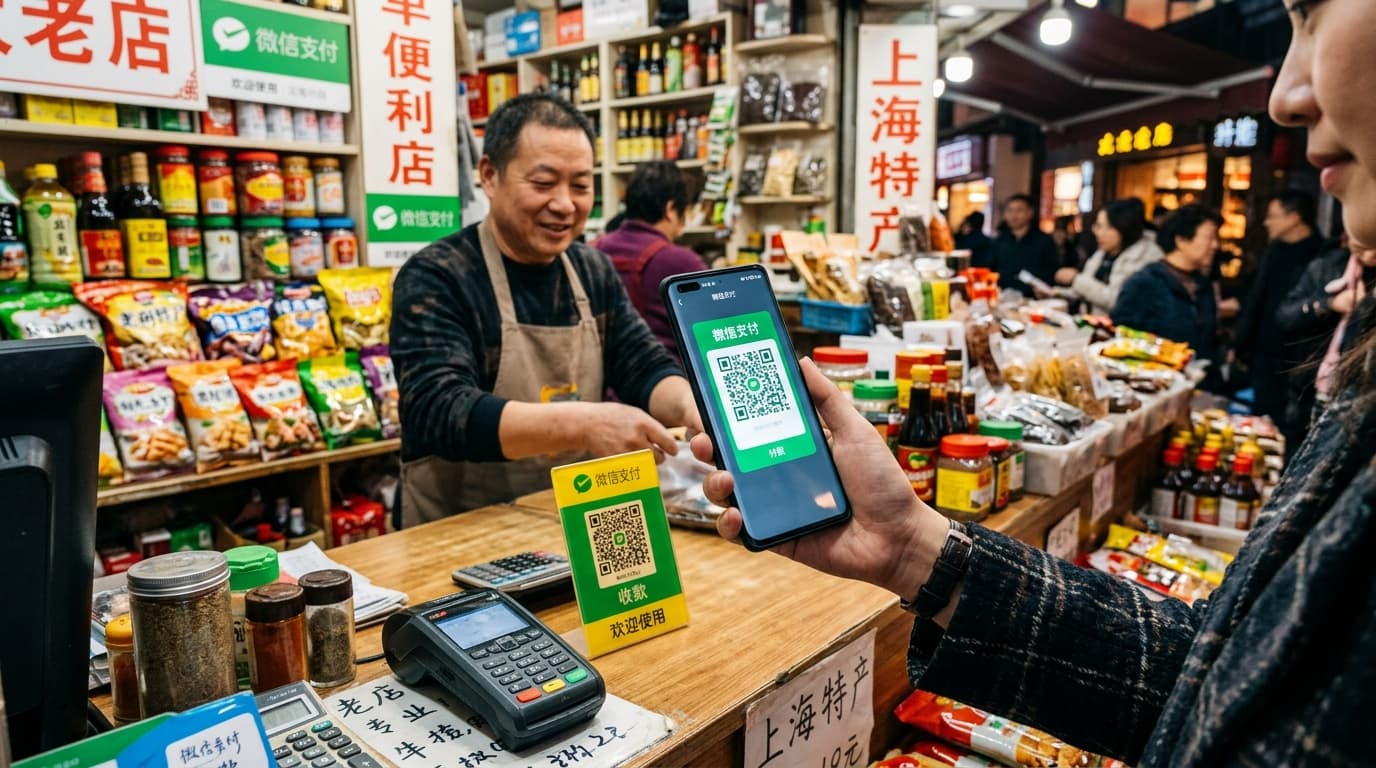
| What should I use for payments? | Alipay, WeChat Pay, or UnionPay cards; avoid cash exchanges with strangers |
1. The Tea House Trap: The Most Elaborate Scam
The tea house scam is the granddaddy of all China tourist traps—and it's sophisticated enough to fool even seasoned travelers. It typically unfolds like this: a friendly local (often a young woman) approaches you near a major tourist site or metro station, strikes up a conversation in broken English, and invites you to a "traditional tea ceremony" or "art gallery" to "experience authentic Chinese culture." You agree, thinking you've made a local friend.
What actually happens is you're led to an unmarked establishment where you're seated with other tourists and served expensive tea—sometimes CNY 100–500 (USD 14–70) per small cup. The "tea master" presents an elaborate ceremony, discusses the tea's rarity and health benefits, and before you realize it, your bill arrives: CNY 1,000–5,000 (USD 140–700) for a pot of tea. When you refuse to pay, staff become aggressive, block exits, or demand payment via WeChat/Alipay with threats.
How the Setup Works
The initial approach is always casual and friendly. The scammer may claim to be a student, artist, or local showing you "real China." They'll suggest a nearby tea house, calligraphy gallery, or jade shop—places that sound cultural and legitimate. Once inside, you're isolated from other tourists and staff speak minimal English, making negotiation difficult. The bill shock is intentional; they're counting on your discomfort and desire to leave quickly.
How to Avoid It
Never accept invitations from strangers on the street, no matter how friendly they seem. If you genuinely want to experience a tea ceremony, book through your hotel concierge or a reputable tour operator. Legitimate tea houses have clear menus and prices displayed at entry. When in doubt, ask your hotel staff: "Is this place trustworthy?" before going anywhere. If you do end up in a suspicious establishment, photograph the menu and prices immediately, and refuse to pay anything not clearly listed beforehand.
Always ask your hotel concierge to recommend tea houses or cultural experiences—never trust street recommendations from strangers.
2. Fake Tour Operators and "Free" Walking Tours
The promise of a "free walking tour" or discounted group tour sounds too good to be true—because it often is. Unlicensed tour operators (particularly around Beijing attractions like the Forbidden City and Shanghai's Bund) offer tours at CNY 50–100 (USD 7–14) that legitimate operators charge CNY 200–400 (USD 28–56) for. The catch: the tour is a front for shopping commissions.
You'll spend 60% of your "tour" in jade shops, silk factories, or pearl markets where the guide receives a 30–50% commission on anything you buy. The merchandise is often counterfeit or wildly overpriced. A "authentic jade bracelet" marked at CNY 2,000 (USD 280) might be worth CNY 200 (USD 28) elsewhere—or be plastic altogether.
The Commission Structure
Guides working on commission have zero incentive to show you actual attractions. They'll rush through the Forbidden City in 30 minutes, then spend two hours in a "jade museum" (actually a shop). Staff will use high-pressure sales tactics, claiming the jade has "healing properties" or that prices are "only today." Some even claim to have connections to factories, offering "wholesale" prices that are still 300–400% marked up.
How to Avoid It
Book tours through established operators or your hotel. Reputable companies include those affiliated with major hotels or listed on the China National Tourism Administration website. If a tour seems suspiciously cheap, ask directly: "Will we visit shops or markets?" A legitimate operator will be transparent. Avoid any tour guide who pressures you to buy anything—real professionals don't need commissions. If you're interested in jade, silk, or pearls, visit government-certified shops or markets (like the Pearl Market in Beijing) independently.
Book Great Wall tours, cooking classes, and experiences in advance with instant confirmation.
Browse Activities on Klook → Scan me
3. Taxi and Ride-Share Overcharges
Taxis in China are generally safe and metered, but several scams persist. The most common: drivers deliberately taking long routes to inflate fares, claiming traffic or "new construction" made the direct route unavailable. In Beijing, a legitimate ride from the airport to the city center costs CNY 100–150 (USD 14–21) via meter; scammers have been known to charge CNY 300–500 (USD 42–70) to unsuspecting tourists.
Another tactic: broken meters. A driver claims the meter is broken and quotes a flat rate—always significantly higher than the metered fare would be. Some drivers also claim they don't have change and pressure you to round up dramatically or pay via WeChat at an inflated amount.
Using Ride-Share Apps Safely
Compare hotels across China with free cancellation on most bookings.
Search Hotels on Booking.com → Scan me
Didi Chuxing (China's equivalent to Uber) is far safer than hailing street taxis because fares are calculated upfront and payment is automatic. However, even Didi has occasional issues: drivers occasionally cancel rides to pick up higher-paying passengers, or surge pricing during peak hours can triple fares. Always check the estimated fare before confirming a ride.
How to Avoid It
Use Didi Chuxing whenever possible—it's the safest option and requires a Chinese phone number and payment method (Alipay or WeChat Pay). If you must take a taxi, insist the meter is running from the start. Know your destination's rough location so you can spot obvious detours. For airport transfers, book through your hotel in advance or use official airport shuttle services (CNY 15–30 per person). Never agree to flat rates; always demand the meter.
4. Currency Exchange Scams and Counterfeit Bills
Exchanging money on the street or in unmarked exchange shops is one of the fastest ways to lose money in China. Counterfeit RMB bills are in circulation, and street exchangers exploit tourists unfamiliar with Chinese currency. A common tactic: the exchanger swaps some of your foreign currency for counterfeit or damaged bills, or uses sleight of hand to short-change you.
Did You Know? According to the People's Bank of China, counterfeit notes represent less than 0.01% of currency in circulation, but tourists are disproportionately targeted because they're unfamiliar with security features.
Source: People's Bank of China
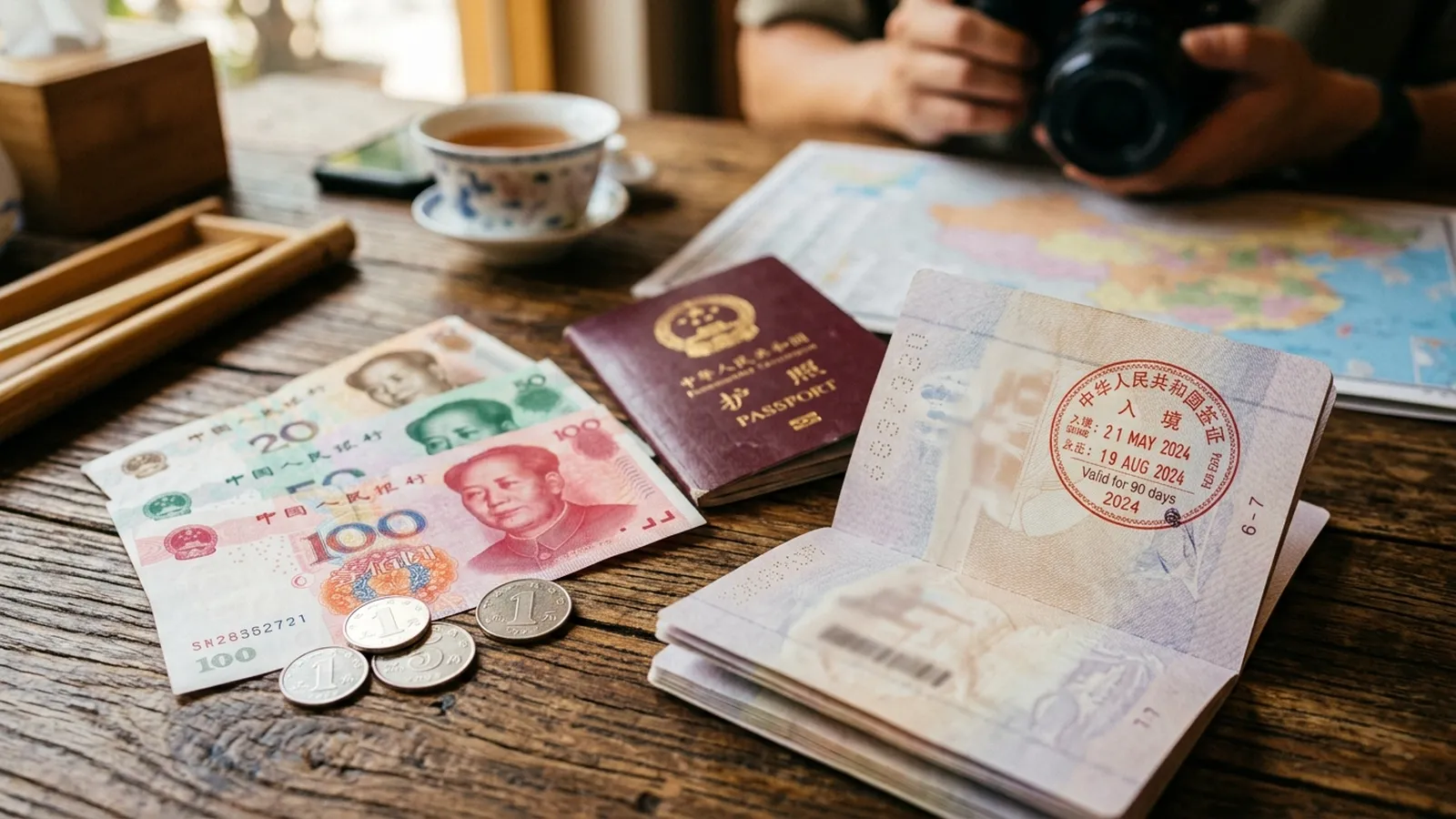
Another scheme involves unfavorable exchange rates. Street exchangers quote rates 10–15% worse than the official rate, claiming it's "the best available." For example, the official rate might be 1 USD = 7.2 CNY, but a street exchanger offers 1 USD = 6.5 CNY—meaning you lose money on every transaction.
Spotting Counterfeit Bills
Genuine RMB bills have security features: a watermark visible when held to light, a color-shifting stripe, and raised printing you can feel. Counterfeit bills feel flat and the watermark is faint or missing. If you receive suspicious bills, refuse them immediately and demand replacement.
How to Avoid It
Never exchange money on the street. Use your bank's ATM (which dispenses authentic currency), exchange money at your hotel desk, or visit an official Bank of China branch. ATM withdrawals typically have better rates than cash exchanges. If you must exchange cash, do it at a bank or major hotel—yes, the rate might be slightly worse, but you're guaranteed authentic bills and fair pricing. Inspect all bills you receive, and if anything looks odd, ask for different notes.
Get a China eSIM before you land. Some plans include [VPN](https://nordvpn.tpo.lv/ekHF1i55) access.
Get Saily eSIM for China → Scan me
5. Counterfeit Goods and Fake Markets
The allure of "authentic" designer goods at 10% of retail price is irresistible—and that's exactly why the counterfeit market thrives. Markets like Silk Street in Beijing and the Pearl Market are famous for knockoffs. While browsing counterfeit goods isn't technically illegal for tourists (though purchasing is a gray area), the real scam is paying premium prices for poor-quality fakes.
A "Rolex" watch sold for CNY 500 (USD 70) will stop working within weeks. A "Louis Vuitton" bag will fall apart in months. Sellers use high-pressure tactics, claiming items are "real" or "factory overstock," and often quote inflated initial prices expecting you to negotiate down—but even the "negotiated" price is 200–300% markup on actual value.
The Negotiation Trap
Counterfeit markets operate on negotiation. A seller quotes CNY 1,000 (USD 140) for a fake designer bag, you counter with CNY 200 (USD 28), and you settle at CNY 400 (USD 56). You feel like you've won—but the bag cost the seller CNY 30 (USD 4) to produce. The entire negotiation is theater designed to make you feel you've gotten a deal.
How to Avoid It
If you want authentic goods, shop at official brand stores or reputable department stores. If you're interested in counterfeit goods as souvenirs (understanding they're fake), set a strict budget beforehand and expect to negotiate hard. Never believe claims that items are "real" or "authentic"—they're not. Avoid purchasing counterfeit branded goods altogether if you're concerned about customs issues when returning home; some countries have strict rules about importing counterfeits.
6. Gem and Jade Shop Schemes
Jade and gemstone shops, particularly those targeting tourists, employ some of the most sophisticated scams in China. A shop owner will claim to have "connections" to jade mines or factories, offering you "wholesale prices" on supposedly rare pieces. They'll use technical jargon—"imperial jade," "Type A jade," "untreated"—to make you feel you're getting expert knowledge and a genuine deal.
In reality, most tourist-targeted jade shops sell low-quality stones at 300–500% markup. Some sell treated jade (chemically enhanced to appear higher quality) as untreated. Others use jade substitutes—stones like serpentine or calcite—and pass them off as jade. A "jade pendant" sold for CNY 1,500 (USD 210) might be worth CNY 100 (USD 14) at an actual gem market.
The Pressure Tactics
Book Great Wall tours, cooking classes, and experiences in advance with instant confirmation.
Browse Activities on Klook →
Scan me
Jade shop staff use emotional appeals: "This stone has healing properties," "It brings good fortune," "It's a once-in-a-lifetime find." They'll also create artificial scarcity: "I only have three of these left," "The price goes up tomorrow," "This is the last one in this quality." These are all designed to bypass your rational decision-making.
How to Avoid It
Never buy jade or gemstones from tourist-area shops. If you're genuinely interested in jade, visit a government-certified gem market or shop in a major mall where prices are fixed and transparent. Better yet, buy from established jewelry stores with clear return policies. If you do purchase jade, get a certificate of authenticity from a reputable gemologist—if the shop refuses, that's a red flag. Remember: legitimate jade dealers don't need high-pressure sales tactics.
7. Overpriced Restaurant Bills and Hidden Charges
Restaurants in tourist areas—particularly near major attractions in Beijing and Shanghai—often employ subtle billing scams. You'll order a dish listed as "Market Price" (时价) on the menu, only to receive a bill 3–5 times higher than expected. A seafood dish marked "Market Price" might cost CNY 50 (USD 7) at a local restaurant but CNY 300 (USD 42) at a tourist trap.
Other tactics include: charging for tea or water you didn't order, adding mysterious "service charges" not mentioned upfront, or presenting a bill with items you never ordered. Some restaurants have two menus—one with reasonable prices for locals, one with inflated prices for tourists.
The Fine Print Problem
Many tourist restaurants display prices in small text or use ambiguous descriptions. A "shrimp dish" might be charged by weight (CNY 98 per 100g), and a modest portion could easily cost CNY 300–500 (USD 42–70). Service charges of 10–15% are sometimes added without warning.
How to Avoid It
Eat where locals eat—small neighborhood restaurants, food courts, and street stalls have transparent pricing and no incentive to overcharge. Ask your hotel staff for restaurant recommendations in your price range. Before ordering, ask the price of each dish explicitly: "多少钱?" (How much?). For "Market Price" items, ask for an estimate before ordering. Avoid restaurants with picture menus and English-speaking touts outside—those are classic tourist traps. Always ask for an itemized bill and review it before paying.
Use Google Translate to photograph menus and check prices with locals via WeChat before committing to a restaurant.
8. Fake Ticket Sales and Attraction Scams
Buying tickets from unofficial vendors outside major attractions is a common mistake. Vendors sell counterfeit or invalid tickets for the Great Wall, Forbidden City, and other sites at discounted prices. You arrive at the entrance, scan your ticket, and it's rejected—the vendor has disappeared, and you've lost your money.
Some vendors sell tickets for the wrong date, wrong time, or wrong attraction entirely. Others sell "VIP tickets" that don't exist, claiming they give you skip-the-line access that never materializes. A legitimate Forbidden City ticket costs CNY 60 (USD 8.40) for adults; scammers sell fake tickets for CNY 30–40 (USD 4–6), pocketing the difference.
The Legitimate Way to Buy
Official ticket vendors operate through official websites or at the attraction itself. The Forbidden City, Great Wall, and major museums all have online booking systems where you can purchase tickets in advance at guaranteed prices. Buying online also often gives you discounts and guarantees entry at a specific time.
How to Avoid It
Never buy tickets from street vendors or unofficial shops. Purchase directly from the attraction's official website or at the ticket office on-site. If buying in advance, use only the official government or attraction website. Be wary of anyone offering "special deals" or "VIP access"—legitimate attractions don't operate that way. If you're booking through a tour operator, verify they're licensed and established.
9. Fake Police and Authority Impersonation
This scam is less common but particularly dangerous. A person claiming to be a police officer or security guard approaches you, claims you've violated a local law (littering, jaywalking, currency violations), and demands to see your passport and wallet. They then either steal your documents or pressure you to pay an on-the-spot "fine" of CNY 500–2,000 (USD 70–280).
Real Chinese police (公安) carry official ID and will never demand cash on the street. If stopped, they'll take you to a police station, not conduct business on the sidewalk. This scam primarily targets tourists in remote areas or late at night when witnesses are scarce.
How to Avoid It
Compare car rental prices across China. Pick up at airports or city locations with flexible cancellation.
Compare Car Rentals →
Scan me
If anyone claiming to be police approaches you, ask to see their official ID (警察证). Legitimate police carry laminated ID cards with their photo and badge number. If you're suspicious, insist on going to the nearest police station to verify their identity. Never hand over your passport to anyone on the street—real police will take you to a station if there's a genuine issue. If you feel unsafe, move to a crowded area or nearby shop and call your embassy.
10. Online Booking Scams and Fake Hotels
Booking accommodations through unofficial websites or third-party sellers can lead to fake confirmations. You arrive at a hotel with a reservation confirmation, only to be told no booking exists under your name. The "hotel" website you booked through was a phishing site that collected your payment but never contacted the actual hotel.
Another variant: you book a hotel at a certain price, arrive, and staff claim there's been a "system error" and the rate has increased. They pressure you to pay the higher rate or find another hotel. Some fake bookings direct you to unlicensed guesthouses instead of the advertised hotel.
Verification Before Arrival
Legitimate hotels have official websites with secure payment (look for the padlock icon and "https://"). Before booking, verify the hotel's phone number independently (search the hotel name + "phone number") and call to confirm your reservation. Many scam sites use similar URLs to real hotels—for example, "hiltonbeijng.com" instead of "hilton.com."
How to Avoid It
Book only through established platforms like Booking.com, Agoda, or the hotel's official website. Call the hotel directly to confirm your reservation before arrival. Use credit cards for bookings (not wire transfers or cryptocurrency), as they offer fraud protection. Read reviews on multiple platforms—fake hotels often have no reviews or only very new, suspiciously positive ones. If a deal seems too good to be true (a five-star hotel for CNY 200/USD 28), it almost certainly is.
Compare hotels across China with free cancellation on most bookings.
Search Hotels on Booking.com →
Scan me
Comparison: Common Scams by City and Risk Level
| Scam Type | Beijing Risk | Shanghai Risk | Guangzhou Risk | Typical Loss |
|---|---|---|---|---|
| Tea House | ⭐⭐⭐⭐⭐ | ⭐⭐⭐⭐ | ⭐⭐⭐ | CNY 1,000–5,000 |
| Fake Tours | ⭐⭐⭐⭐⭐ | ⭐⭐⭐⭐ | ⭐⭐⭐⭐ | CNY 200–1,000 |
| Taxi Overcharges | ⭐⭐⭐ | ⭐⭐⭐⭐ | ⭐⭐⭐ | CNY 100–300 |
| Currency Exchange | ⭐⭐⭐ | ⭐⭐⭐ | ⭐⭐⭐⭐ | 10–15% loss on total |
| Counterfeit Goods | ⭐⭐⭐⭐ | ⭐⭐⭐⭐ | ⭐⭐⭐⭐⭐ | CNY 200–2,000 |
| Jade/Gem Shops | ⭐⭐⭐⭐ | ⭐⭐⭐⭐ | ⭐⭐⭐⭐⭐ | CNY 500–5,000 |
| Restaurant Overcharges | ⭐⭐⭐⭐ | ⭐⭐⭐⭐⭐ | ⭐⭐⭐ | CNY 200–1,000 |
| Fake Tickets | ⭐⭐⭐⭐ | ⭐⭐⭐ | ⭐⭐⭐ | CNY 50–300 |
Did You Know? According to the China National Tourism Administration, fewer than 2% of international visitors to China report scam-related incidents, making it statistically safer than many Western destinations. Most scams are easily avoidable with basic precautions.
What to Do If You've Been Scammed
If you've fallen victim to a scam, here's your action plan:
Immediate steps:
- Document everything: Take photos of receipts, business names, addresses, and any written agreements. Note the date, time, and names of people involved.
- Contact local police: Call 110 (China's emergency number) or visit the nearest police station (派出所). File a formal report (even if recovery is unlikely, it creates an official record).
- Notify your bank/credit card company: If you paid by card, report the transaction as fraudulent immediately. Most card companies offer fraud protection.
- Contact your embassy: Your country's embassy can provide guidance and may intervene in serious cases. Keep their contact information in your phone.
For recovery:
- Small amounts (under CNY 500): Recovery is unlikely. Accept the loss and move forward.
- Larger amounts (CNY 500+): Work with police and your bank. Some scams involve organized rings that police actively investigate.
- Chargeback disputes: If you paid by credit card, your card issuer may reverse the charge if you file a dispute within 60 days.
Prevention for future trips:
- Share your experience on travel forums and review sites (TripAdvisor, Google Maps) to warn other travelers.
- Report the business to the local tourism bureau (旅游局).
- Take a screenshot of the scam location on Google Maps and note the exact address for future reference.
Frequently Asked Questions
Is China actually safe for tourists?
Yes, absolutely. China has a lower violent crime rate than most Western countries. The scams discussed here are annoying and costly, but they're not dangerous. Millions of tourists visit China annually without incident. Exercise normal precautions—don't flash expensive jewelry, stay aware of your surroundings, and trust your instincts—and you'll be fine.
What's the best way to carry money in China?
Use a combination of methods: carry a small amount of cash (CNY 200–500) for small purchases, use your debit card at ATMs for larger withdrawals, and use Alipay or WeChat Pay (linked to your bank account) for most transactions. This minimizes the cash you're carrying and reduces scam risk. Never carry large amounts of cash or exchange money on the street.
Should I avoid certain areas of China?
No. Scams are concentrated in major tourist areas, not specific neighborhoods. The Forbidden City, Great Wall, and Bund are safe; it's the unofficial vendors and unmarked shops around these sites that pose problems. Stick to main streets, well-lit areas, and places recommended by your hotel, and you'll be fine.
Can I use my foreign credit card everywhere in China?
Most major cities accept international credit cards at hotels, restaurants, and shops, but China's payment ecosystem is dominated by Alipay and WeChat Pay. You'll have better luck and often get better rates if you withdraw cash via ATM or use mobile payment apps. Many small shops, street vendors, and local restaurants only accept Alipay/WeChat Pay, so having at least one set up is essential.
What should I do if I feel unsafe?
Trust your instincts. If a situation feels off—an overly friendly stranger, a shop that seems sketchy, a deal that's too good to be true—remove yourself immediately. Move to a crowded area, go back to your hotel, or find a police officer. China is safe, but that doesn't mean every situation is safe. Your gut feeling is your best defense.
How do I report a scam to authorities?
Call 110 (police emergency line) or visit the nearest police station (派出所). You can also contact the local tourism bureau (旅游局) or your country's embassy. Have your documentation ready: receipts, photos, business names, and a detailed account of what happened. Even if recovery is unlikely, filing a report helps authorities track organized scam rings.
Conclusion
China scams are real, but they're also entirely preventable. After years of living and traveling throughout China, we can confidently say that the vast majority of tourists never encounter a scam—because they follow simple rules: book through official channels, eat where locals eat, use established payment methods, and trust their instincts.
The key is awareness without paranoia. Don't let fear of scams prevent you from experiencing the incredible culture, food, history, and warmth of the Chinese people. Millions of visitors have wonderful, scam-free experiences every year.
For more practical travel tips, check out our Safety and Money & Currency guides. And if you're planning your first trip, our Getting Around China guide covers everything from transport to communication.
Your best defense is knowledge. You've got it now—go explore China with confidence.
Have you encountered a scam in China? Share your story in the comments below to help other travelers stay safe.

About the Author
Go2China Team
The Go2China editorial team combines first-hand travel experience with deep cultural knowledge to bring you accurate, up-to-date guides for exploring China — from the Great Wall and Forbidden City to hidden gems off the tourist trail.
- ✓Lived and traveled extensively across China
- ✓Native & bilingual Mandarin speakers on team
- ✓Verified info from official Chinese tourism sources