Chinese Food Guide: Dishes, Cuisines & Eating Tips

Everything you need to know about eating in China — from the 8 Great Cuisines and must-try dishes to street food cities, dining etiquette, and how to order food without speaking Chinese.

Updated April 2026

The 8 Great Regional Cuisines of China

China's culinary landscape is not one cuisine but eight, each shaped by centuries of geography, climate, and culture. The "Eight Great Cuisines" (ba da cai xi) are the officially recognized culinary traditions that together represent the full spectrum of Chinese cooking — from the fire-breathing chili oil of Sichuan to the delicate steamed seafood of Fujian. Understanding these eight traditions is the key to understanding why food in Shanghai tastes nothing like food in Chengdu, and why a meal in Guangzhou is a world apart from a meal in Xi'an.

Each cuisine reflects its region's available ingredients, historical trade routes, and local preferences for heat, sweetness, sourness, and umami. When you travel across China, the food changes as dramatically as the landscape — and that is precisely what makes eating your way through this country one of the greatest culinary adventures on earth.

Sichuan Cuisine (Bold & Spicy) — Chengdu, Chongqing

Sichuan cuisine is defined by its bold, complex use of chili peppers and Sichuan peppercorns, creating the signature mala (numbing-spicy) sensation that has made it China's most internationally famous regional cooking style. The flavor profiles are remarkably layered — not just "hot" but a symphony of spicy, sour, sweet, salty, bitter, and aromatic notes across its 24 officially recognized flavor combinations. Key ingredients include doubanjiang (fermented bean paste), chili oil, garlic, ginger, and star anise.

Signature dishes include Mapo Tofu, Kung Pao Chicken, Sichuan Hot Pot, and Dan Dan Noodles. The best place to experience authentic Sichuan cuisine is Chengdu, a UNESCO City of Gastronomy, and nearby Chongqing, famous for its brutally spicy hot pot tradition.

Cantonese Cuisine (Fresh & Delicate) — Guangzhou, Hong Kong

Cantonese cuisine, originating from Guangdong Province, is often considered the most refined of China's eight great traditions. It emphasizes the natural flavors of fresh, high-quality ingredients with minimal seasoning — the philosophy is that great produce speaks for itself. Cooking techniques favor steaming, stir-frying, and roasting, with sauces kept light to let the main ingredient shine. Cantonese chefs are particularly renowned for their skill with seafood, which is often served live from tanks and cooked moments before serving.

Signature dishes include Dim Sum (the quintessential Cantonese brunch tradition), Char Siu (BBQ Pork), Wonton Soup, and Sweet and Sour Pork. Guangzhou is the undisputed capital of Cantonese cooking — locals here are famously passionate about food, and the city's restaurant scene is extraordinary.

Shandong Cuisine (Hearty & Savory) — Qingdao, Jinan

Shandong (Lu) cuisine is one of the oldest and most influential of the eight traditions, having shaped the imperial court cooking of Beijing for centuries. It is hearty, savory, and rich, with a strong emphasis on umami flavors derived from high-quality stocks, soy sauce, and fresh seafood from the Yellow Sea coast. Shandong chefs are famous for their knife skills and mastery of quick, high-heat stir-frying (bao) as well as braising and deep-frying techniques. Corn flour bread, wheat noodles, and vinegar-based dipping sauces feature prominently.

Signature dishes include Sweet and Sour Carp of the Yellow River (tangcu liyu), Braised Sea Cucumber with Scallion (cong shao haishen), Dezhou Braised Chicken, and Nine-Turn Large Intestine. The coastal city of Qingdao is famous for its fresh seafood paired with local Tsingtao beer, while the provincial capital Jinan is known for its spring water-influenced cooking.

Hunan Cuisine (Hot & Sour) — Changsha

Hunan (Xiang) cuisine rivals Sichuan for sheer heat, but where Sichuan relies on the numbing peppercorn, Hunan goes for pure, direct chili fire combined with pungent sourness from pickled vegetables and fermented ingredients. The humid subtropical climate of Hunan Province drives the preference for intensely flavored, warming dishes. Smoking, curing, and pickling are important preservation techniques, and smoked meats feature prominently. The cuisine is oilier and more intensely flavored than most Chinese regional styles.

Signature dishes include Chairman Mao's Red Braised Pork (hong shao rou) — Mao Zedong was from Hunan and this was reportedly his favorite dish — Steamed Fish Head with Chopped Chili (duo jiao yu tou), and Stir-Fried Pork with Dried Smoked Bamboo Shoots. Changsha, the provincial capital, has a thriving night food scene and is the best base for exploring Hunan flavors.

Jiangsu Cuisine (Sweet & Elegant) — Nanjing, Suzhou

Jiangsu (Su) cuisine is known for its elegant presentation, gentle sweetness, and meticulous attention to texture. Hailing from the prosperous Yangtze River Delta, this tradition emphasizes slow braising, stewing, and precise temperature control to create dishes that are tender, flavorful, and beautiful. Sugar is used subtly to round out savory flavors rather than create overtly sweet dishes. The cuisine is closely tied to Jiangsu's abundance of freshwater fish, rivers, and lakes.

Signature dishes include Nanjing Salted Duck (yan shui ya), Yangzhou Fried Rice (the original version of what became one of China's most famous dishes globally), Lion's Head Meatballs, and Squirrel-Shaped Mandarin Fish. Visit Nanjing for its duck dishes and Suzhou for refined, garden-style banquet cooking.

Zhejiang Cuisine (Light & Fresh) — Hangzhou

Zhejiang (Zhe) cuisine is often described as China's most "natural" cooking style, prioritizing fresh, seasonal ingredients prepared with minimal intervention to highlight their inherent flavors. The coastal and lakeside geography of Zhejiang Province provides an abundance of freshwater fish, bamboo shoots, and Shaoxing rice wine — the latter being one of China's most important cooking wines. Dishes tend to be light, mellow, and slightly sweet, with clean flavors and a focus on seasonal eating.

Signature dishes include Dongpo Pork (a slow-braised pork belly named after the Song Dynasty poet Su Dongpo), West Lake Fish in Vinegar Sauce (xi hu cu yu), Longjing Shrimp (prawns stir-fried with Dragon Well tea leaves), and Beggar's Chicken. Hangzhou, the provincial capital and one of China's most beautiful cities, is the culinary heart of Zhejiang cuisine.

Fujian Cuisine (Seafood & Umami) — Xiamen

Fujian (Min) cuisine is a seafood lover's paradise, shaped by the province's long coastline, mountainous interior, and historic connections to Southeast Asian trade routes. It is known for its complex umami flavors, achieved through liberal use of fish sauce, shrimp paste, dried seafood, and slow-cooked broths. Soups are central to Fujian cooking — nearly every meal includes a carefully prepared broth. The cuisine also features unique preparations like "drunken" dishes, where ingredients are marinated in Fujian red rice wine.

Signature dishes include Buddha Jumps Over the Wall (fo tiao qiang) — an extravagant multi-ingredient soup said to be so aromatic that even a meditating Buddha would leap over a wall to taste it — Oyster Omelette, Fuzhou Fish Balls, and Satay Noodles reflecting Fujian's Southeast Asian connections. Xiamen is the most accessible city for experiencing Fujian cuisine, with a vibrant street food scene.

Anhui Cuisine (Wild & Rustic) — Mountain Herbs & Braised Dishes

Anhui (Hui) cuisine is the least known of the eight great traditions outside China, but it is deeply rooted in the wild ingredients of Anhui's mountainous terrain, particularly the Huangshan (Yellow Mountain) region. It makes extensive use of wild herbs, mushrooms, bamboo shoots, freshwater fish, and game, prepared through slow braising and stewing to develop deep, concentrated flavors. Oil and dark soy sauce are used generously, giving dishes a rich, earthy character. Unlike the coastal cuisines, Anhui cooking is hearty mountain food — rustic, warming, and deeply satisfying.

Signature dishes include Stewed Soft-Shell Turtle with Ham, Li Hongzhang Hodgepodge (a multi-ingredient stew named after the famous Qing Dynasty diplomat), Bamboo Shoots Cooked with Sausage and Dried Mushroom, and Smoked Tofu. The best place to try authentic Anhui cuisine is in the small towns around Huangshan, where family-run restaurants cook with ingredients foraged from the surrounding mountains.
Most Popular Chinese Dishes You Must Try

With thousands of dishes across China's eight regional cuisines, narrowing down a "must-try" list is nearly impossible — but these eight dishes represent the absolute essentials. They are the iconic flavors that define Chinese cuisine, available across the country but best experienced in the cities where they originated. We have included approximate prices so you know what to expect.

Peking Duck

Beijing's most famous dish and arguably the most celebrated single dish in all of Chinese cuisine. A whole duck is roasted in a hung oven until the skin turns paper-thin and impossibly crispy while the meat stays juicy and tender. It is carved tableside into over 100 slices and served with thin pancakes, hoisin sauce, spring onions, and cucumber. The art of Peking Duck has been perfected over 600 years, and the best restaurants in Beijing — like Quanjude and Da Dong — turn the experience into a theatrical event.

Price: 168-398 CNY ($23-55 USD) for a whole duck · Best city: Beijing

Dim Sum

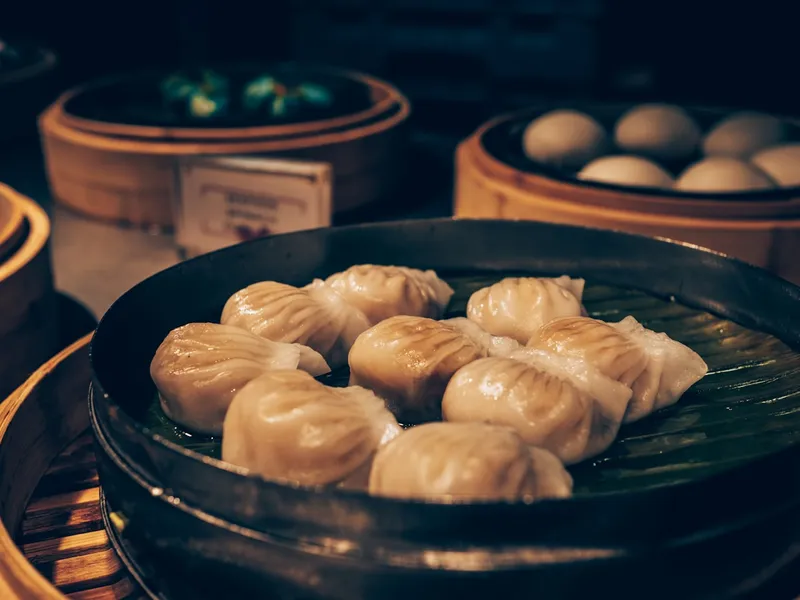
More than a meal, dim sum is a Cantonese social ritual. Dozens of small dishes arrive in bamboo steamer baskets — delicate har gow shrimp dumplings, fluffy char siu bao (barbecue pork buns), crispy spring rolls, cheong fun rice noodle rolls, and egg tarts. The tradition of yum cha (drinking tea with dim sum) turns breakfast into a leisurely, communal affair that can stretch for hours. Guangzhou and Hong Kong dim sum restaurants can offer upwards of 100 different items.

Price: 50-150 CNY ($7-21 USD) per person · Best city: Guangzhou

Kung Pao Chicken

One of the most recognized Chinese dishes worldwide, and the authentic Sichuan version is a revelation compared to its overseas counterparts. Diced chicken is wok-fried with roasted peanuts, dried chili peppers, and Sichuan peppercorns in a glossy sauce that balances spicy, sweet, sour, and savory. Named after a Qing Dynasty governor, Ding Baozhen, the dish is a staple in nearly every restaurant across China — but the Chengdu version, with its proper mala kick, is the gold standard.

Price: 28-58 CNY ($4-8 USD) · Best city: Chengdu

Mapo Tofu

Silky soft tofu cubes swimming in a fiery sauce of fermented bean paste, chili oil, Sichuan peppercorns, and minced pork — Mapo Tofu is the dish that best captures the mala (numbing-spicy) essence of Sichuan cooking. Invented in the 1860s by a pock-marked woman (Chen Mapo) at a small restaurant in Chengdu, it remains one of China's most beloved comfort foods. The contrast between the delicate, barely-holding-together tofu and the explosive sauce is what makes it so addictive. It is also one of the most affordable dishes you will find anywhere in China.

Price: 18-38 CNY ($2.50-5 USD) · Best city: Chengdu

Chinese Dumplings (Jiaozi)

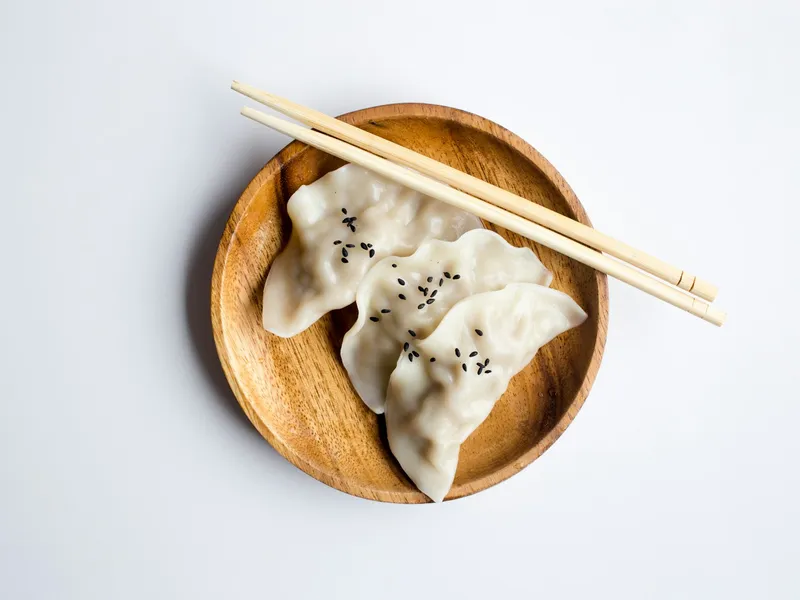
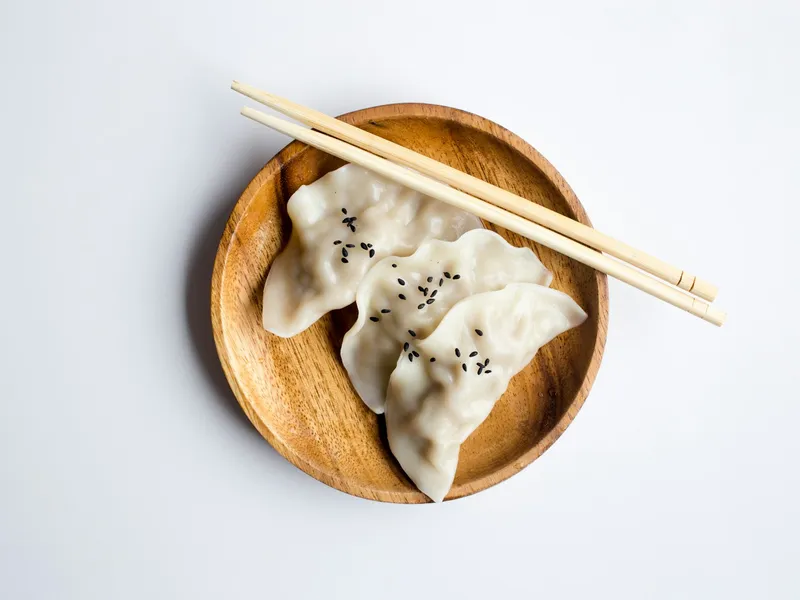
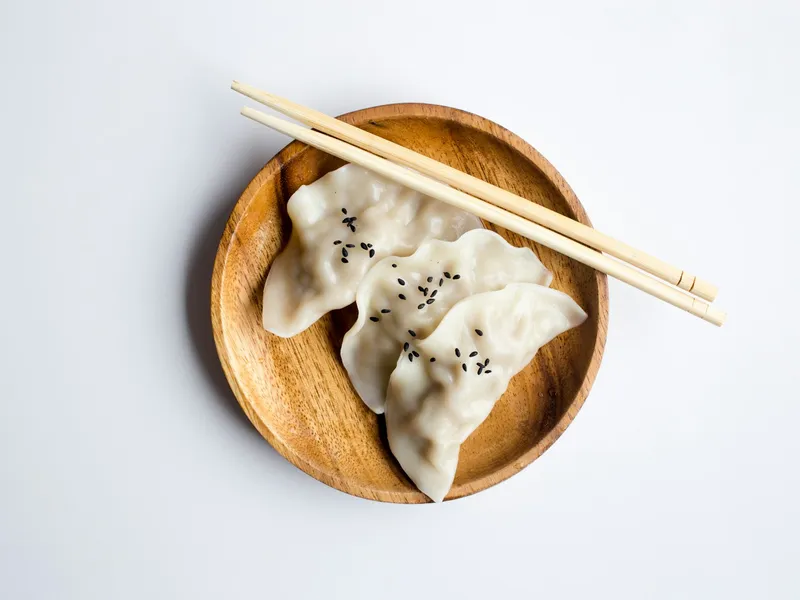
If there is one food that unites all of China, it is the humble dumpling. Jiaozi are crescent-shaped parcels of thin dough filled with seasoned pork, cabbage, chives, or countless other combinations, then boiled (shui jiao), steamed (zheng jiao), or pan-fried (guo tie). Making dumplings together is one of China's most cherished family traditions, especially during Chinese New Year when their shape — resembling ancient gold ingots — symbolizes prosperity. They are served with a simple dipping sauce of black vinegar, soy sauce, and chili oil.

Price: 15-35 CNY ($2-5 USD) for a serving of 12-20 · Best city: Xi'an, Beijing

Dan Dan Noodles

Named after the carrying pole (dan dan) that street vendors once used to transport their noodle pots through the alleys of Chengdu, these thin wheat noodles are served in a concentrated sauce of chili oil, Sichuan peppercorns, preserved mustard greens, and minced pork. The portions are traditionally small — more of a street snack than a full meal — which means you can sample them at multiple stalls in a single day without getting full. The combination of heat, nuttiness, and umami in every slurp is unforgettable.

Price: 12-25 CNY ($1.50-3.50 USD) · Best city: Chengdu

Wonton Soup

Wonton soup exemplifies Cantonese cooking at its most elegant — silky parcels of seasoned pork and shrimp wrapped in paper-thin dough, floating in a clear, deeply flavored broth made from pork bones and dried shrimp. The best wontons have such thin wrappers that you can almost see the pink filling through the skin. Cantonese-style wonton noodle soup, served with springy thin egg noodles, is one of the great simple pleasures of eating in southern China. Hong Kong has elevated this humble street food to an art form.

Price: 18-35 CNY ($2.50-5 USD) · Best city: Guangzhou

Hot Pot

Hot pot is less a dish and more of a dining experience — and it is one of the most popular ways to eat in China today, especially among younger generations. A simmering pot of flavored broth sits at the center of the table, and diners cook their own selection of thinly sliced meats, vegetables, tofu, noodles, and dumplings by dipping them into the bubbling liquid. Sichuan-style hot pot features a fiery red chili oil broth packed with peppercorns, while northern-style uses a milder bone broth. Most restaurants offer split pots (yuan yang guo) so you can have both. A hot pot meal is inherently social, typically lasting two to three hours.

Price: 80-200 CNY ($11-28 USD) per person · Best city: Chongqing, Chengdu

Browse All 22 Dishes

From Sichuan stir-fries and Cantonese roasts to northern dumplings and sweet festival treats — explore our complete collection of Chinese dishes with detailed guides for each one.

Kung Pao Chicken
main-dish

Kung Pao Chicken

A classic Sichuan stir-fry dish featuring tender diced chicken, roasted peanuts, dried chili peppers, and Sichuan peppercorns. The sauce strikes a perfect balance of spicy, sweet, and tangy flavors. Named after a Qing Dynasty official, this dish has become one of China's most internationally recognized recipes.

Peking Duck
main-dish

Peking Duck

Beijing's most famous culinary masterpiece, Peking Duck features a whole duck roasted until the skin is perfectly thin and crispy while the meat remains succulent. Traditionally served sliced at the table, it is wrapped in thin pancakes with hoisin sauce, scallions, and cucumber. The art of preparing this dish has been refined for over 600 years.

Mapo Tofu
main-dish

Mapo Tofu

A fiery Sichuan classic that combines silky soft tofu cubes with a bold sauce of fermented bean paste, chili oil, Sichuan peppercorns, and minced pork. The signature numbing-spicy flavor, known as mala, creates a uniquely addictive taste sensation. Invented in the 1860s by a pock-marked old woman in Chengdu, it remains a beloved comfort food across China.

Dim Sum
snack

Dim Sum

A Cantonese culinary tradition of small bite-sized dishes served in bamboo steamer baskets, typically enjoyed with tea during brunch. Dim sum encompasses hundreds of varieties including dumplings, buns, rolls, and pastries. The social ritual of yum cha, or drinking tea with dim sum, is a cornerstone of southern Chinese food culture.

Xiaolongbao (Soup Dumplings)
snack

Xiaolongbao (Soup Dumplings)

Shanghai's signature soup dumplings are delicate steamed parcels with thin, pleated wrappers that contain a savory pork filling and a burst of rich, flavorful broth. The secret is a gelatinized broth mixed into the filling that liquefies when steamed. Eaten by carefully biting a small hole, sipping the soup, then dipping in black vinegar with ginger.

Hot Pot
main-dish

Hot Pot

A communal dining experience where diners cook a variety of fresh ingredients in a simmering pot of flavored broth at the center of the table. The Sichuan-style hot pot features a fiery, red chili oil broth packed with peppercorns, while other regions offer milder broths. Split pots allow diners to enjoy both spicy and mild options simultaneously.

Char Siu (BBQ Pork)
main-dish

Char Siu (BBQ Pork)

A Cantonese barbecue classic, char siu features strips of pork marinated in a mixture of honey, five-spice powder, fermented tofu, soy sauce, and hoisin sauce, then roasted until the exterior develops a signature glossy, caramelized red coating. Served over rice, in noodle soups, or stuffed inside fluffy steamed buns, it is quintessential Cantonese comfort food.

Jiaozi (Dumplings)
snack

Jiaozi (Dumplings)

China's most beloved comfort food, jiaozi are crescent-shaped dumplings filled with seasoned minced pork and vegetables, then boiled, steamed, or pan-fried. Making dumplings together is a cherished family tradition, especially during Chinese New Year when they symbolize wealth due to their resemblance to ancient gold ingots. Served with a dipping sauce of vinegar, soy sauce, and chili oil.

Dan Dan Noodles
noodles

Dan Dan Noodles

A spicy Sichuan street food classic featuring thin wheat noodles served in a savory, numbing sauce of chili oil, Sichuan pepper, minced pork, and preserved mustard greens. Named after the carrying pole that street vendors used to transport the noodle pots through the streets of Chengdu, dan dan noodles deliver layers of heat, umami, and texture in every slurp.

Spring Rolls
snack

Spring Rolls

Crispy golden cylinders filled with a mixture of julienned vegetables, sometimes with pork or shrimp, wrapped in a thin wheat or rice flour wrapper and deep-fried until perfectly crunchy. Traditionally eaten during the Spring Festival to celebrate the arrival of spring, these popular appetizers come in countless regional variations across China.

Fried Rice
main-dish

Fried Rice

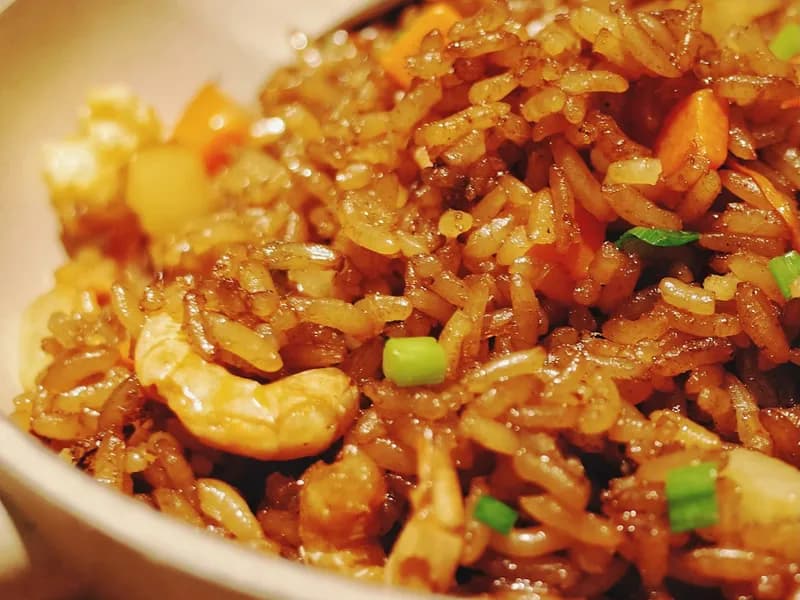
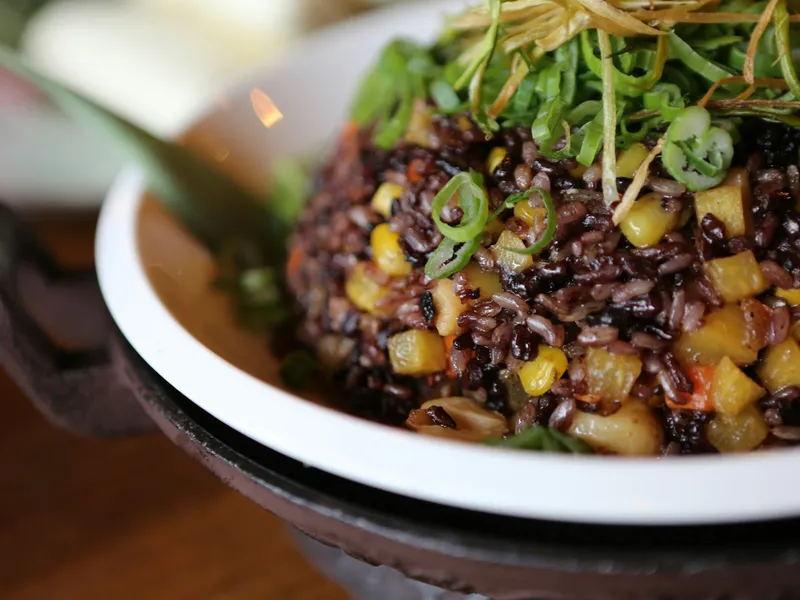
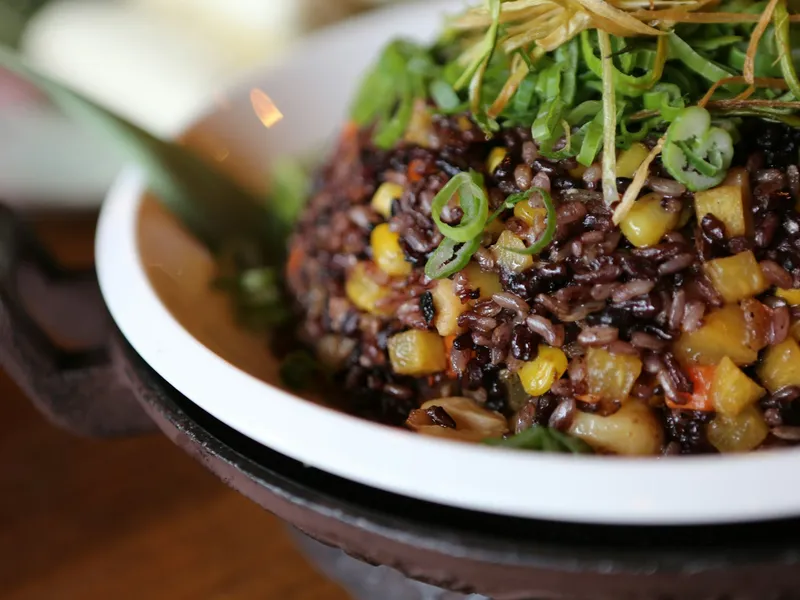
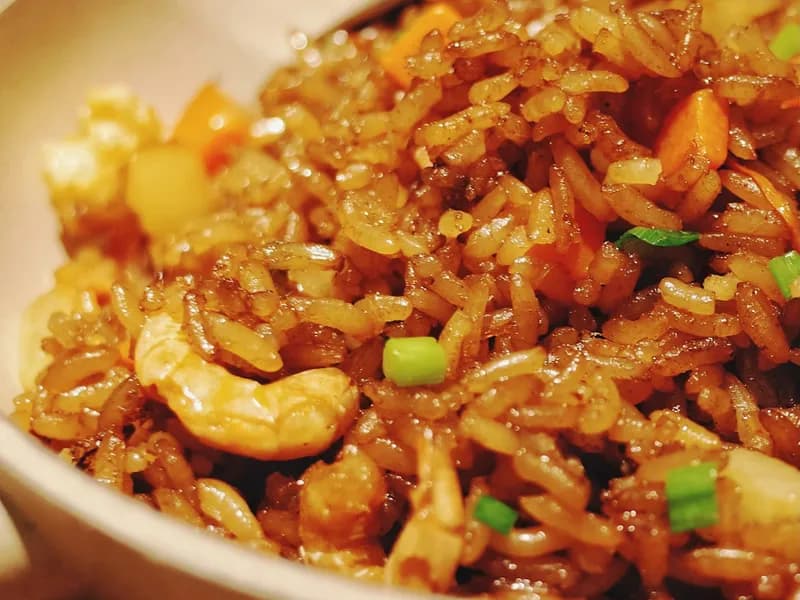
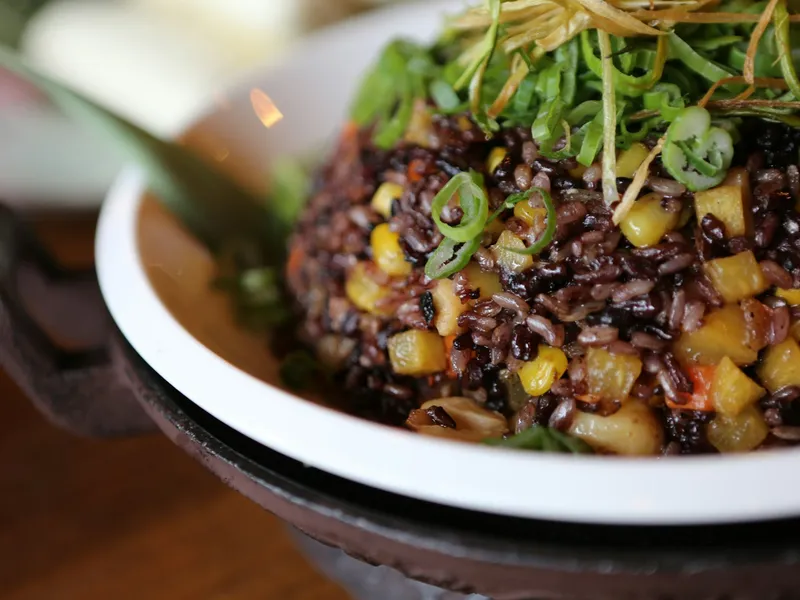
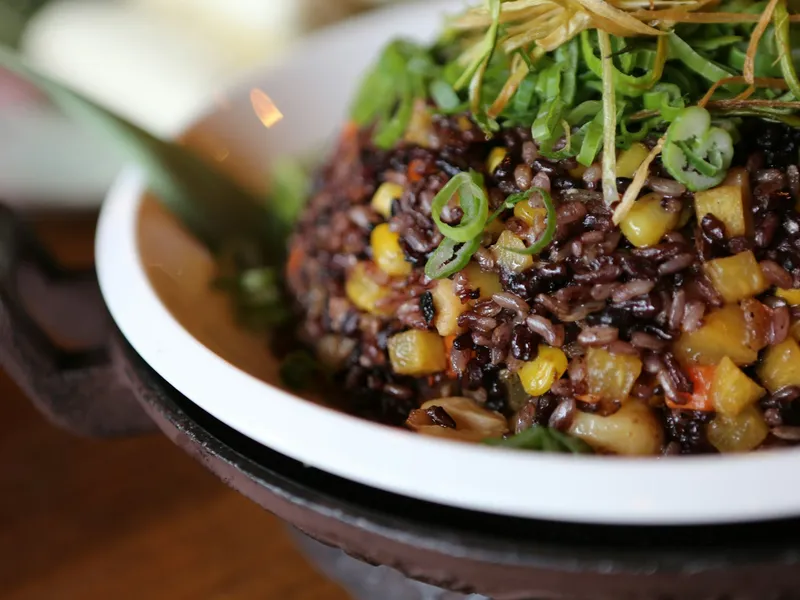
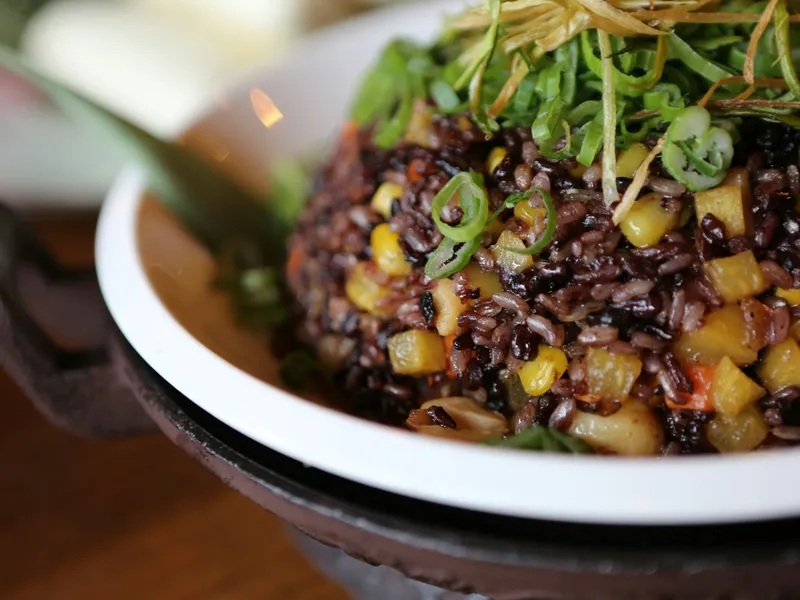
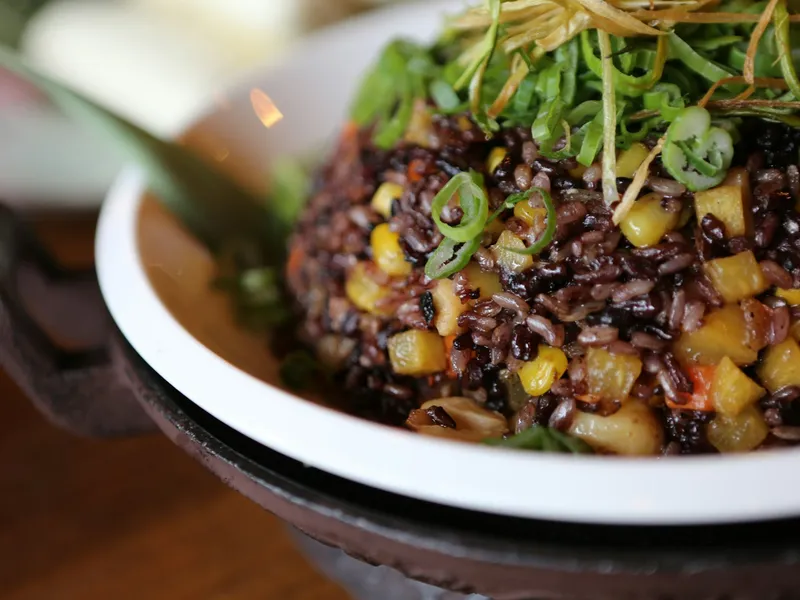
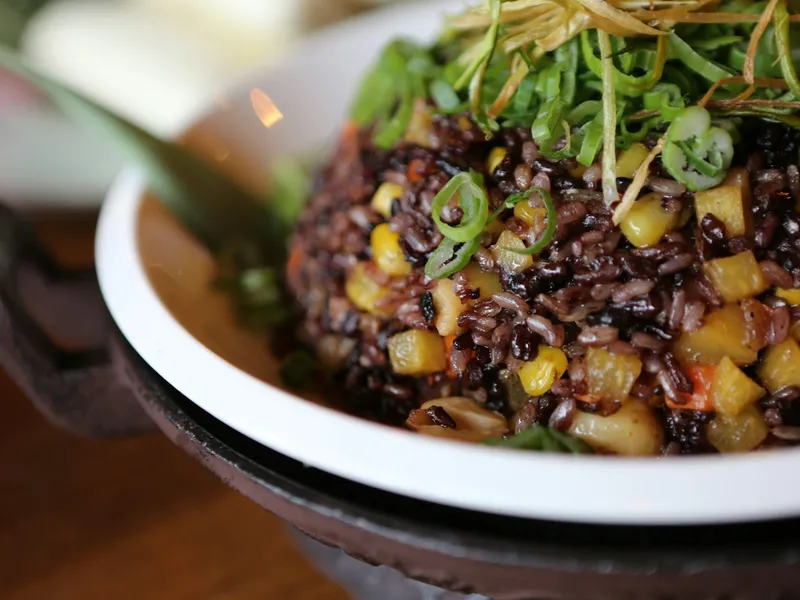
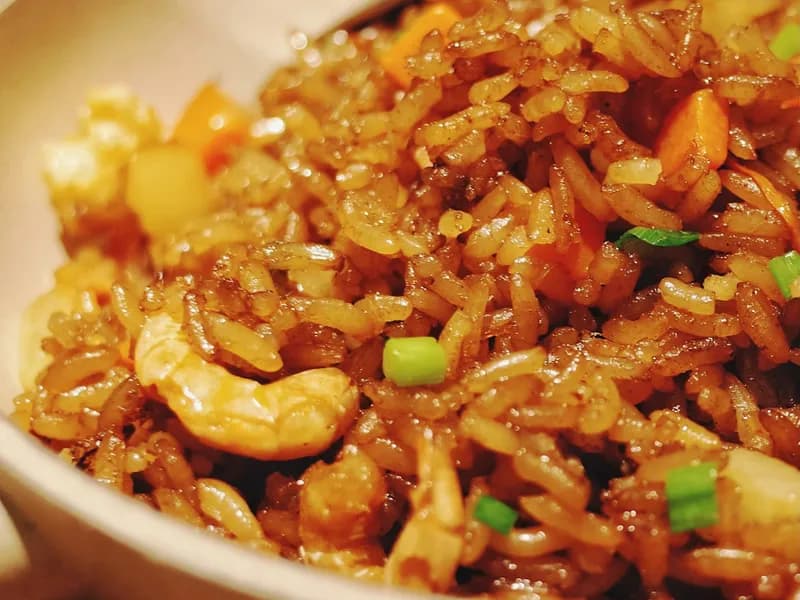
A staple of Chinese cooking, fried rice transforms day-old rice into a satisfying meal by stir-frying it at high heat with eggs, vegetables, and proteins like shrimp, chicken, or char siu pork. The Yangzhou-style fried rice, featuring a colorful mix of shrimp, ham, peas, and egg, is considered the gold standard. The key is using cold, dry rice and a very hot wok.

Chow Mein (Stir-Fried Noodles)
noodles

Chow Mein (Stir-Fried Noodles)

Stir-fried noodles tossed in a hot wok with vegetables, protein, and a savory soy-based sauce. Chow mein comes in two styles: crispy fried noodles that form a crunchy nest, and soft-fried noodles that remain tender and chewy. This versatile dish appears in every region of China, each adding its own local twist to this timeless noodle preparation.

Sweet and Sour Pork
main-dish

Sweet and Sour Pork

Bite-sized pieces of pork are coated in a light batter, deep-fried until golden and crispy, then tossed in a vibrant sweet and tangy sauce made from vinegar, sugar, ketchup, and pineapple. Originating from Cantonese cuisine, this dish showcases the Chinese culinary principle of balancing contrasting flavors in perfect harmony.

Wonton Soup
soup

Wonton Soup

Silky parcels of seasoned pork and shrimp wrapped in paper-thin dough, floating in a clear, aromatic broth often made from pork bones and dried shrimp. Cantonese-style wontons are prized for their delicate wrapping and fresh shrimp-forward filling. Served as a light meal or snack, wonton soup is one of China's most comforting and elegant simple dishes.

Congee (Rice Porridge)
breakfast

Congee (Rice Porridge)

A soothing rice porridge slow-cooked until the grains break down into a silky, creamy consistency. Congee is China's quintessential breakfast and comfort food, served plain or topped with century egg, shredded pork, pickled vegetables, fried dough sticks, or seafood. Each region has its own beloved variations, but all share the same gentle, nourishing warmth.

Baozi (Steamed Buns)
snack

Baozi (Steamed Buns)

Fluffy, cloud-like steamed buns filled with savory or sweet fillings, baozi are an everyday staple enjoyed across China for breakfast and as snacks. Popular fillings include seasoned pork, vegetables, red bean paste, and custard. The pillowy white dough, made with yeast, contrasts beautifully with the rich, flavorful filling inside.

Mooncake
dessert

Mooncake

A richly symbolic pastry traditionally eaten during the Mid-Autumn Festival to celebrate the harvest moon. Mooncakes feature an ornately pressed exterior and dense fillings such as sweet lotus seed paste, red bean paste, or savory egg yolk. Exchanging beautifully boxed mooncakes is an important social tradition symbolizing reunion and togetherness.

Tanghulu (Candied Fruit)
dessert

Tanghulu (Candied Fruit)

A beloved northern Chinese street snack of fruits skewered on bamboo sticks and coated in a crackly shell of hardened sugar syrup. Traditional tanghulu uses hawthorn berries, but modern versions feature strawberries, grapes, tangerines, and other fruits. The satisfying crack of the sugar shell giving way to tart fruit inside has made this treat an enduring winter favorite.

Zongzi (Sticky Rice Dumplings)
snack

Zongzi (Sticky Rice Dumplings)

Pyramid-shaped parcels of glutinous sticky rice wrapped in bamboo or reed leaves and steamed or boiled, traditionally eaten during the Dragon Boat Festival. Northern zongzi tend to be sweet, filled with dates or red bean paste, while southern versions are savory with pork belly, salted egg yolk, and mushrooms. The annual north-vs-south zongzi debate is a beloved cultural tradition.

Scallion Pancakes
snack

Scallion Pancakes

Flaky, crispy flatbreads made by rolling and folding dough with rendered lard or oil and chopped scallions to create dozens of thin, shatteringly crisp layers. Pan-fried on a griddle until golden and fragrant, scallion pancakes are one of China's most popular street breakfast items. The mesmerizing spiral layers and savory aroma make them irresistible at any time of day.

Kung Pao Shrimp
main-dish

Kung Pao Shrimp

A seafood variation of the classic Kung Pao Chicken, this dish features plump shrimp wok-tossed with roasted peanuts, dried chili peppers, and Sichuan peppercorns in a glossy sweet-savory-spicy sauce. The shrimp brings a tender, slightly sweet element that pairs beautifully with the bold Sichuan flavors. Popular in coastal cities where fresh seafood is abundant.

Lanzhou Beef Noodles
noodles

Lanzhou Beef Noodles

One of China's most popular noodle soups, Lanzhou beef noodles feature hand-pulled noodles served in a clear, aromatic beef bone broth topped with tender braised beef slices, white radish, chili oil, cilantro, and garlic sprouts. The noodles are stretched and pulled fresh to order, and diners can choose from nine different thicknesses. Found in virtually every city across China.

Chinese Street Food Guide

China's street food scene is one of the most vibrant and affordable in the world. From sizzling night markets stretching across entire city blocks to tiny carts serving a single specialty, eating on the street is not just cheap — it is often where you will find the most authentic, delicious food in the country. Many of China's most famous dishes originated as street food before finding their way onto restaurant menus.

Best Street Food Cities

While every Chinese city has its street food, these five are the undisputed capitals of eating on the street:

  • Chengdu — Jinli Ancient Street and the streets around Kuanzhai Alley are packed with Sichuan snacks: spicy rabbit heads, cold noodles (liang mian), spicy skewers (chuan chuan xiang), and sweet potato noodles. Chengdu's casual, snack-heavy food culture means the entire city essentially functions as one massive street food market.
  • Xi'an — The Muslim Quarter (Huimin Jie) is China's most famous food street, a kilometer-long stretch of stalls serving roujiamo (Chinese hamburger), lamb skewers, hand-pulled biangbiang noodles, persimmon cakes, and pomegranate juice. The Hui Muslim culinary tradition here is unique to China.
  • Beijing — Beyond the touristy Wangfujing snack street, the real Beijing street food is found in hutong neighborhoods: jianbing (savory crepes), zhajiang mian (noodles with soybean paste), candied hawthorn sticks (tanghulu), and lamb hotpot served in tiny sidewalk restaurants.
  • Shanghai — Known for its breakfast street food culture, Shanghai excels at sheng jian bao (pan-fried soup dumplings), ci fan tuan (sticky rice rolls), you tiao (fried dough sticks), and xiaolongbao from tiny hole-in-the-wall shops. The Yunnan South Road food street and City God Temple area are prime grazing spots.
  • Guangzhou — The Cantonese approach to street food is refined and diverse: cheung fun (rice noodle rolls), siu mai, egg waffles, congee stalls, and roast goose shops where whole birds hang gleaming in the window. The streets around Shangxiajiu Pedestrian Street are a good starting point.

Night Market Must-Tries

Night markets are the beating heart of China's street food culture. These open-air food bazaars come alive after dusk and stay bustling until well past midnight. Here are the street foods you should not miss:

DishChineseDescriptionPrice
Jianbing煎饼Savory crepe with egg, cilantro, crispy wonton, and sweet bean sauce8-15 CNY
Tanghulu糖葫芦Candied fruit skewers with a crackly sugar shell10-20 CNY
Roujiamo肉夹馍Braised meat in a crispy flatbread — "Chinese hamburger"10-18 CNY
Stinky Tofu臭豆腐Deep-fried fermented tofu — smells terrible, tastes incredible8-15 CNY
Chuan'r (Skewers)串儿Grilled lamb, beef, or vegetable skewers with cumin and chili3-8 CNY each
Baozi包子Fluffy steamed buns with pork, vegetable, or sweet fillings2-5 CNY each
Scallion Pancakes葱油饼Flaky, crispy flatbread with layers of chopped scallion5-10 CNY
Egg Fried Rice蛋炒饭Wok-fired rice with egg — the simplest and most satisfying late-night snack12-20 CNY
Liangpi凉皮Cold rice noodles with chili oil, vinegar, and sesame paste8-15 CNY
Sheng Jian Bao生煎包Pan-fried soup dumplings with a crispy bottom and juicy interior12-20 CNY

Street Food Safety Tips

How to Eat Street Food Safely in China

  • Follow the crowds. If locals are queuing, the food is fresh, the turnover is high, and the stall has survived the ultimate test — Chinese consumers who know their food.
  • Choose cooked-to-order. Stalls where food is prepared fresh in front of you are safer than those displaying pre-made items that may have been sitting out for hours.
  • Look for cleanliness indicators. Does the vendor use gloves or tongs? Are ingredients stored properly? Is the cooking area reasonably organized? These details matter.
  • Start slowly. If your stomach is not accustomed to Chinese food, ease into street food during your first couple of days rather than going all-in at a night market on day one.
  • Avoid raw and unpeeled items. Cooked, fried, steamed, and grilled items are generally safe. Be more cautious with raw salads, unpeeled fruit, and items washed in unfiltered water.
  • Pay with mobile. Most street vendors accept WeChat Pay and Alipay. Check our money and payment guide for how to set these up as a foreigner.

Looking for food tours with a local guide? Browse cooking classes and food walking tours on Klook or GetYourGuide — guided food tours are one of the best investments you can make on your first trip to China, as a knowledgeable local guide will take you to stalls and restaurants you would never find on your own.

Traditional Chinese Food & Dining Culture

The Role of Food in Chinese Culture

In China, food is far more than sustenance — it is the central organizing principle of social life, family bonds, business relationships, and cultural identity. The Chinese greeting "ni chi le ma?" (have you eaten?) reveals just how deeply food is woven into the fabric of daily interaction. Sharing a meal is how relationships are built and maintained. Business deals are sealed over banquet dinners, not in boardrooms. Family reunions revolve around elaborate feasts. Festivals are defined by their signature foods. And showing hospitality through food — ordering too much, insisting guests eat more, fighting over who pays the bill — is considered one of the highest social virtues.

Chinese culinary philosophy is rooted in the concept of balance: yin and yang, hot and cold, sweet and sour. Traditional Chinese Medicine (TCM) has shaped eating habits for thousands of years — certain foods are considered "warming" (ginger, lamb, chili) and others "cooling" (watermelon, mung beans, cucumber), and meals are composed to maintain harmony in the body. This is why a spicy Sichuan hot pot meal is often followed by herbal tea, and why winter menus differ from summer ones.

Chinese Breakfast: What Locals Eat

Forget the Western hotel buffet — Chinese breakfast is a world of its own and one of the most rewarding food experiences you can have as a traveler. In northern China, mornings start with jiaozi (boiled dumplings), baozi (steamed buns), soy milk, and you tiao (fried dough sticks). In southern China, breakfast means congee (rice porridge) with century egg and shredded pork, cheung fun (rice noodle rolls), and dim sum with tea. In Shanghai, locals queue for jianbing (savory crepes), sheng jian bao (pan-fried soup dumplings), and ci fan tuan (sticky rice rolls stuffed with pickles, pork floss, and you tiao).

For a deep dive into the best morning foods across the country, read our dedicated guide: Chinese Breakfast: What Locals Actually Eat.

Tea Culture & Food Pairing

Tea and food are inseparable in Chinese culture. Tea is not just a beverage — it is a cultural practice, a health philosophy, and an essential companion to meals. Different teas are paired with different cuisines and occasions: delicate green teas (longjing from Hangzhou, biluochun from Suzhou) complement light Jiangsu and Zhejiang dishes; robust pu'erh from Yunnan cuts through the richness of heavy meats and oily Sichuan cuisine; fragrant jasmine tea is the traditional accompaniment to northern Chinese food; and oolong varieties pair beautifully with Fujian seafood.

The Cantonese yum cha tradition (literally "drink tea") is the most formalized expression of tea-food pairing, where dim sum dishes are specifically designed to complement Chinese tea. When someone pours tea for you, tapping two fingers on the table is the customary way to say thank you — a tradition so deeply ingrained that Chinese people do it unconsciously. Visiting a traditional teahouse is one of the most memorable cultural experiences you can have in China.

Festival Foods & Their Meaning

In China, every major festival has its own signature food, each laden with symbolism and centuries of tradition:

  • Chinese New Year (Spring Festival): Jiaozi (dumplings, symbolizing wealth), spring rolls (symbolizing gold bars), nian gao (sticky rice cake, symbolizing a prosperous new year — the word gao sounds like "tall/high" in Chinese), and whole fish (symbolizing surplus, as yu sounds like abundance).
  • Mid-Autumn Festival: Mooncakes filled with lotus seed paste, red bean, or salted egg yolk, exchanged between family and friends to celebrate the harvest moon and togetherness. The round shape symbolizes family reunion.
  • Dragon Boat Festival: Zongzi — pyramid-shaped parcels of glutinous rice wrapped in bamboo leaves, filled with pork, egg yolk, and mushrooms (southern style) or dates and red bean paste (northern style). Eaten to commemorate the poet Qu Yuan.
  • Lantern Festival: Tangyuan — sweet glutinous rice balls filled with sesame paste, peanut, or red bean, served in a warm broth. The round shape symbolizes family unity and completeness.
  • Winter Solstice: In northern China, families eat jiaozi; in southern China, tangyuan. The saying goes: "eat dumplings on the winter solstice and you will not freeze your ears off."

How to Eat Like a Local in China

Chinese Dining Etiquette

Chinese dining customs can feel unfamiliar to Western visitors, but understanding a few basics will help you blend in and show respect. In China, meals are shared — dishes are placed in the center of the table and everyone eats from them communally using chopsticks (some restaurants provide serving chopsticks for hygiene). The host typically orders for the entire table, and ordering too much food is a sign of generosity, not wastefulness. Never stick your chopsticks upright in a bowl of rice — this resembles incense sticks at a funeral and is considered extremely bad luck. Do not tap your chopsticks on the edge of your bowl either, as this is associated with begging.

When someone toasts you with a "ganbei" (bottoms up), it is polite to reciprocate. If you cannot drink alcohol, explain politely and toast with tea or a soft drink instead. At the end of the meal, expect a vigorous but good-natured battle over who gets to pay the bill — this is a deeply ingrained custom, and offering to pay (even if your host insists) is always appreciated. For a complete guide to dining etiquette and cultural customs, see our Cultural Etiquette guide.

Ordering Food Without Speaking Chinese

Ordering food without speaking Chinese is easier than you might think, thanks to technology and China's picture-menu culture. Most restaurants in tourist areas and mid-range establishments have menus with photos of every dish. Many restaurants now use QR code ordering — scan the code on your table with your phone, browse the menu (often with English translations in major cities), tap what you want, and pay via WeChat Pay or Alipay. No Chinese required.

For restaurants without English menus, translation apps are your best friend. Point your camera at the Chinese menu using Google Translate (requires a VPN), Baidu Translate, or the translation feature built into WeChat. You can also show your server photos of dishes you want from food apps like Dianping (China's version of Yelp) or Meituan. For more communication strategies, read our Language Tips for China.

Useful Food Vocabulary

Learning even a handful of Chinese food words dramatically improves your dining experience. Here are the most useful terms for ordering and eating in China:

EnglishChinesePinyinWhen to Use
Menu菜单cai danAsk for the menu
I want this我要这个wo yao zhe gePoint at menu and say this
Not spicy不辣bu laRequest no chili
A little spicy微辣wei laRequest mild heat
No meat不要肉bu yao rouVegetarian request
Check please买单mai danAsk for the bill
Delicious!好吃!hao chi!Compliment the food
Rice米饭mi fanOrder a bowl of white rice
Noodles面条mian tiaoOrder noodle dishes
Dumplings饺子jiao ziOrder dumplings
Beer啤酒pi jiuOrder a cold beer
WatershuiAsk for water (usually hot)
I'm allergic to...我对...过敏wo dui...guo minCommunicate allergies
Chopsticks筷子kuai ziAsk for chopsticks

Tipping & Paying the Bill

Tipping is not practiced in China and can actually cause confusion or embarrassment. In restaurants, the price on the menu is the price you pay — no tip is expected or desired. This applies to all restaurants, from street food stalls to high-end establishments. Tipping in a taxi, at a hair salon, or at a hotel is similarly unnecessary. The only exception is high-end international hotels and restaurants catering specifically to foreign tourists, where tips may be accepted but are never required.

Paying the bill in China is overwhelmingly done via mobile payment — WeChat Pay and Alipay dominate, and cash is increasingly rare. Many restaurants, including tiny noodle shops and street stalls, have QR codes displayed for scanning. As a foreign tourist, getting set up with WeChat Pay or Alipay requires linking an international credit card or using a Chinese bank account. For a complete walkthrough, see our Money & Currency guide.

Pro Tip: Book a Cooking Class

One of the best ways to understand Chinese food is to learn to cook it yourself. Cooking classes in Chengdu, Beijing, Shanghai, and Guilin take you to local markets, teach you about ingredients, and guide you through making classic dishes. It is hands-on, fun, and one of the most memorable activities you can do in China. Browse cooking classes on Klook or GetYourGuide.

Ready to Eat Your Way Through China?

Book food tours, cooking classes, restaurant reservations, and more.

Some links are affiliate links. We may earn a commission at no extra cost to you.

Frequently Asked Questions

What is the most popular food in China?
The most popular foods in China vary by region, but nationwide favorites include dumplings (jiaozi), fried rice, noodle soups, and hot pot. Peking Duck is the most famous dish internationally, while regional classics like Mapo Tofu from Sichuan, Dim Sum from Guangdong, and Xiaolongbao from Shanghai are beloved across the country. Street foods like jianbing (savory crepes) and baozi (steamed buns) are eaten daily by hundreds of millions of people.
Is Chinese food in China different from Chinese food abroad?
Dramatically so. Chinese food served in Western countries has been heavily adapted — dishes are often sweeter, less spicy, and simplified. Authentic Chinese cuisine is far more diverse, with eight distinct regional cooking traditions that range from the fiery mala flavors of Sichuan to the delicate seafood preparations of Fujian. Many dishes popular in China, such as stinky tofu, chicken feet, and organ meats, rarely appear on overseas menus. Visiting China is a genuine culinary revelation even for people who eat Chinese food regularly at home.
Can vegetarians eat well in China?
Yes, but it requires some planning. Buddhist vegetarian restaurants (often marked with a swastika symbol, which represents Buddhism in China) serve entirely plant-based meals and are found in most cities. Tofu dishes like Mapo Tofu (ask for it without pork), stir-fried vegetables, and Buddhist mock-meat dishes are widely available. However, many seemingly vegetarian dishes contain hidden meat products like oyster sauce, chicken stock, or lard. Learning a few key Chinese phrases and being specific about your dietary requirements helps enormously. Read our full guide: Vegetarian Food in China: Survival Guide.
What food is China most known for?
China is most known for Peking Duck, dim sum, dumplings, kung pao chicken, sweet and sour pork, fried rice, and hot pot. However, China has the most diverse culinary tradition of any country on earth, with eight officially recognized Great Cuisines and hundreds of regional specialties. Each province has its own signature dishes, cooking techniques, and flavor profiles — from the bold, numbing spice of Sichuan to the fresh, light preparations of Cantonese cooking.
Is street food safe to eat in China?
Street food in China is generally safe, especially at busy stalls with high turnover. The golden rules are: eat where the locals eat (long queues mean fresh food), choose stalls where food is cooked to order in front of you, avoid pre-made items that have been sitting out for hours, and stick to stalls that look reasonably clean. Night markets in major cities like Chengdu, Xi'an, and Beijing are well-regulated. Avoid raw or undercooked items, and if your stomach is sensitive, ease into street food gradually during your first few days.

More Chinese Food & Travel Resources

This guide covers the essentials, but we have in-depth articles on specific food topics that go even deeper:

Have questions about eating in China? Our guides are regularly updated with the latest tips and recommendations. Bookmark this page and check back before your trip.