Discover Traditional Chinese Medicine: history, where to experience it, practical tips for travelers, and how to engage respectfully.
In a narrow hutong alley in Beijing, we watched an elderly acupuncturist place paper-thin needles along a patient's spine with the precision of a calligrapher—and suddenly, Traditional Chinese Medicine wasn't just an ancient practice we'd read about, but a living, breathing part of modern China. For over 2,500 years, this holistic system has shaped how millions of Chinese people approach health, and today it remains woven into daily life, from the herbal soups simmering in home kitchens to the acupuncture clinics thriving in every major city.
Key Takeaways
| Question | Answer |
|---|---|
| What is Traditional Chinese Medicine? | A 2,500-year-old holistic healing system based on balance, energy flow (qi), and natural remedies |
| Best time to visit TCM clinics? | Year-round; spring and autumn are ideal for seasonal wellness consultations |
| How much does treatment cost? | Acupuncture: 100-300 CNY per session; herbal consultations: 50-200 CNY; prices vary by city and clinic reputation |
| Where should I go? | Beijing, Shanghai, and Guangzhou have excellent TCM hospitals and clinics |
| Is it safe for travelers? | Yes, when visiting licensed clinics; always inform practitioners of medications and allergies |
| Should I book in advance? | Walk-ins are welcome at most clinics, but booking ensures shorter wait times, especially in major cities |
| Can I take herbs home? | Yes, but check airline regulations; dried herbs are generally permitted in carry-on luggage |
1. Understanding the Foundations of Traditional Chinese Medicine
Traditional Chinese Medicine (TCM) is not simply a collection of remedies—it's a comprehensive philosophical system that views the human body as a microcosm of nature itself. During our three years living in Beijing, we came to understand that TCM practitioners don't just treat symptoms; they seek to restore harmony between opposing forces and optimize the flow of qi (pronounced "chee"), the vital life energy believed to circulate through pathways called meridians.
The foundation rests on several interconnected concepts. The principle of yin and yang represents balance—yin embodies rest, coolness, and inward energy, while yang represents activity, warmth, and outward energy. When these forces are in harmony, health flourishes. The theory of the Five Elements—wood, fire, earth, metal, and water—connects organs, emotions, seasons, and flavors into a unified framework. A TCM doctor might ask about your sleep, digestion, emotional state, and even your food preferences because all these factors reveal imbalances in your elemental constitution.
The Four Pillars of Diagnosis
TCM diagnosis relies on four ancient methods that fascinated us during our consultations. Observation involves examining your tongue's color, coating, and shape—a TCM doctor can spend five minutes studying your tongue and reveal remarkably accurate insights about your digestive and immune health. Listening and smelling means the practitioner notes your voice tone and body odor. Questioning covers your medical history, lifestyle, and symptoms in detail. Palpation involves feeling your pulse at three different depths on each wrist, with practitioners detecting up to 28 distinct pulse qualities that indicate different imbalances.
Historical Context and Modern Recognition
TCM emerged during the Shang Dynasty (1600-1046 BCE) and was systematized during the Han Dynasty (206 BCE-220 CE). The foundational text, the Yellow Emperor's Inner Classic (Huangdi Neijing), remains studied today. What impressed us most was how TCM has evolved—it's not frozen in history. In 2019, the World Health Organization officially recognized TCM in its International Classification of Diseases, legitimizing practices that were once dismissed by Western medicine as unscientific.
Did You Know? The WHO's recognition of TCM in 2019 marked a historic moment: traditional medicine systems from non-Western cultures were formally integrated into global health standards for the first time.
2. Core Treatment Modalities You'll Encounter
When you step into a TCM clinic, you'll encounter several primary treatment methods, each with distinct techniques and philosophies. The most famous—and the one most travelers want to experience—is acupuncture, but TCM encompasses much more.
Acupuncture and Moxibustion
Acupuncture involves inserting fine needles into specific points along meridians to unblock qi and restore balance. The needles are typically hair-thin (0.25-0.4mm diameter) and cause minimal discomfort—we were surprised by how painless the insertion was. Practitioners often manipulate the needles gently or apply mild electrical stimulation to enhance the effect. A typical session lasts 20-30 minutes, with needles left in place while you rest in a calm room.
Moxibustion complements acupuncture by applying heat to acupoints using mugwort (artemisia), a medicinal herb. The warmth penetrates deeply and is particularly valued for conditions involving cold or stagnation. During our visit to a clinic in Shanghai, we observed practitioners using moxa sticks held above the skin or moxa cones placed on acupoints—the sensation was deeply warming and therapeutic.
- Best for: Chronic pain, migraines, digestive issues, stress, and fertility concerns
- Duration: 20-30 minutes per session
- Frequency: 1-3 times weekly for best results
- Cost range: 100-300 CNY per session depending on clinic and practitioner experience
Herbal Medicine and Decoctions
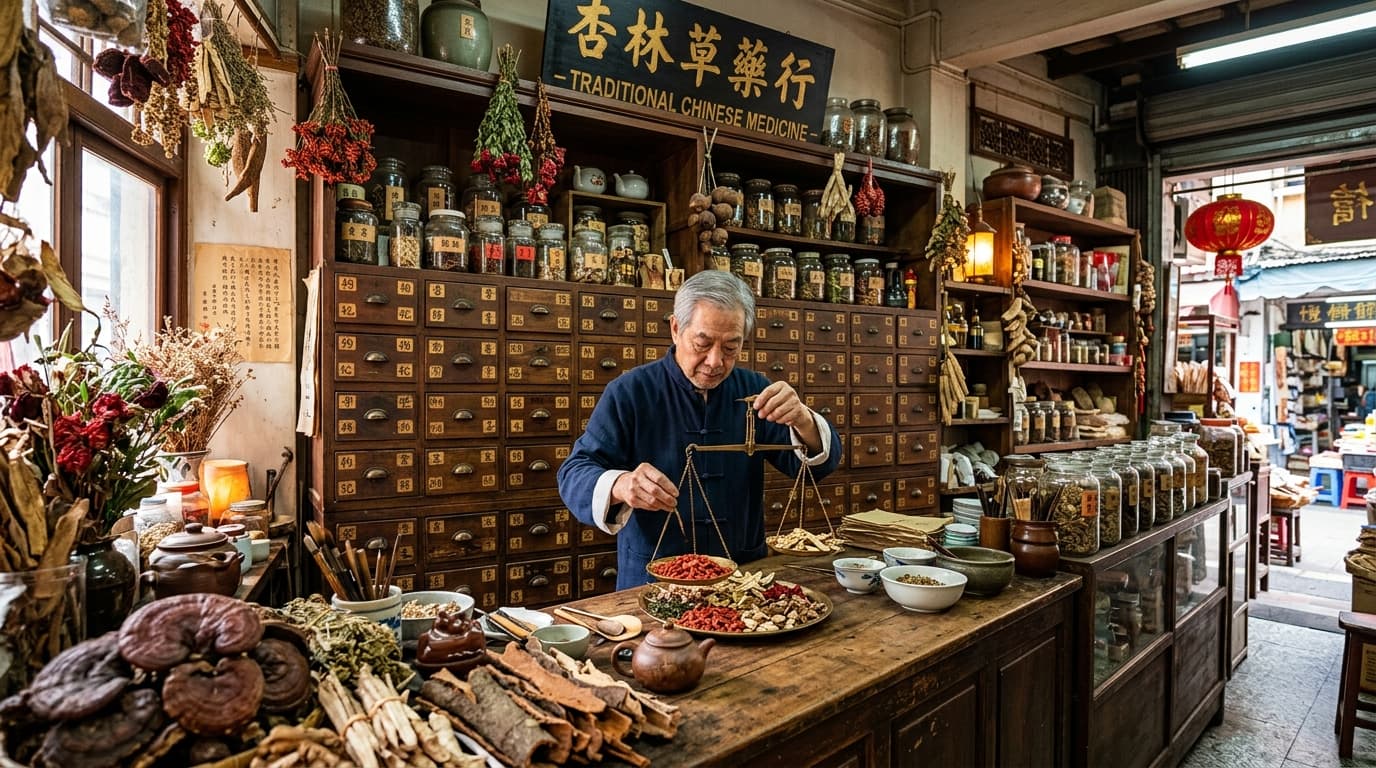
Chinese herbal medicine is the most commonly used TCM treatment in China itself. A TCM doctor prescribes a customized formula—often 8-15 different herbs—based on your specific imbalance. These aren't standardized pills; they're tailored to you. The herbs are typically dispensed as dried plant material that you boil at home to create a decoction, a bitter but potent liquid consumed daily.
In our experience, the herbal consultation process is thorough. The practitioner will ask detailed questions about your symptoms, lifestyle, diet, and emotional state. They'll examine your tongue and take your pulse. Then they'll write a prescription in classical Chinese characters, which you take to the clinic's pharmacy where herbalists prepare your custom formula.
- Consultation cost: 50-200 CNY for initial diagnosis
- Herbal formula cost: 50-150 CNY per week's supply (typically 7 packets)
- Preparation: Boil each packet twice daily; takes 20-30 minutes
- Duration of treatment: 2-4 weeks minimum for noticeable effects
Cupping, Gua Sha, and Tuina Massage
Cupping uses glass or bamboo cups to create suction on the skin, drawing out stagnant blood and qi. The cups leave distinctive circular marks that fade within a week—we saw many locals in Beijing with these marks visible on their necks and shoulders, worn as badges of wellness commitment.
Gua sha (literally "scraping sand") involves using a smooth tool to scrape the skin until it reddens, releasing toxins and improving circulation. It's particularly popular for colds, fever, and muscle tension.
Tuina is therapeutic massage that combines acupressure, stretching, and joint manipulation. Unlike relaxation massage, tuina is therapeutic and sometimes intense—the practitioner applies significant pressure to release blockages.
Book Great Wall tours, cooking classes, and experiences in advance with instant confirmation.
Browse Activities on Klook → Scan me
3. Where to Experience Traditional Chinese Medicine as a Traveler
Finding authentic, safe TCM experiences requires knowing where to go and what to look for. During our travels across China, we discovered that the best experiences come from licensed hospitals and established clinics, not street vendors or tourist traps.
Major TCM Hospitals in Key Cities
Compare hotels across China with free cancellation on most bookings.
Search Hotels on Booking.com → Scan me
Beijing hosts China's most prestigious TCM institutions. The China Academy of Chinese Medical Sciences operates teaching hospitals where you'll encounter both experienced practitioners and advanced students. These facilities offer comprehensive services—acupuncture, herbal medicine, cupping, and diagnostic imaging—all under one roof. The advantage is credibility and safety; disadvantages include longer wait times and less personalized attention than smaller clinics.
Shanghai has equally excellent options. During our time there, we visited several clinics in the Huangpu and Jing'an districts where English-speaking staff made the experience accessible. Guangzhou, in South China, is renowned for its herbal medicine tradition and offers some of the most affordable treatments we encountered.
How to Find Reputable Clinics
Licensed credentials matter immensely. Look for clinics displaying official registration certificates. The characters 中医诊所 (zhōngyī zhěnsuǒ—TCM clinic) or 中医医院 (TCM hospital) indicate legitimate establishments. Ask your hotel concierge for recommendations; they'll direct you to clinics that regularly serve international guests.
Language barriers are real but manageable. Many clinics in major cities have English-speaking staff or can arrange translation. We recommend downloading a translation app and bringing a list of your current medications and health conditions written in both English and Chinese.
- Pro tip: Visit in the morning when wait times are shorter and practitioners are fresher
- Best neighborhoods: Huangpu (Shanghai), Chaoyang (Beijing), Tianhe (Guangzhou)
- Booking option: Many clinics accept walk-ins, but calling ahead (even through your hotel) ensures availability
- Budget consideration: Government-run hospitals are cheaper than private clinics but more crowded
Download the WeChat app before your trip—many clinics use it for appointments and payment, and it's essential for navigating modern China.
4. The Role of Herbal Medicine in Daily Chinese Life
What struck us most during our years in China was how herbal medicine isn't relegated to clinics—it's woven into everyday wellness culture. Families prepare herbal soups (yao tang) as preventive medicine, especially during seasonal transitions. Grandmothers know which herbs warm the body in winter and which cool it in summer. Restaurants advertise "medicinal" dishes that combine food and medicine.
Herbal Soups and Wellness Cuisine
The concept of "medicine and food share the same origin" (yao shi tong yuan) is fundamental to Chinese culture. During autumn in Beijing, we noticed markets overflowing with dried herbs, goji berries, red dates, and ginseng—ingredients for soups meant to prepare the body for winter. A typical medicinal soup might contain ginseng, goji berries, dried mushrooms, and chicken, simmered for hours until the flavors meld and the herbs' properties infuse the broth.
These aren't just tasty—they're preventive medicine. A soup prescribed for someone with weak digestion differs from one for someone with poor circulation. The beauty is that you can experience this yourself: many restaurants in major cities offer "medicinal cuisine" menus, and some cooking classes teach herbal soup preparation.
Tea Culture and Herbal Infusions
Chinese tea culture intersects deeply with herbal medicine. Beyond the famous green teas, oolong teas, and pu-erh teas, there are medicinal herbal infusions. Chrysanthemum tea cools heat and brightens the eyes. Ginger tea warms digestion. Goji berry infusions boost immunity. In teahouses across Shanghai and Guangzhou, you'll find menus offering these therapeutic brews alongside traditional teas.
- Most accessible herbal drink: Chrysanthemum tea (available everywhere, mild taste)
- Best for travelers with digestive issues: Ginger tea or aged pu-erh
- Seasonal recommendation: Warming herbal soups in autumn/winter; cooling herbal teas in summer
- Where to buy: Night markets, tea shops, and supermarkets in every city
5. Practical Visitor Tips for Your TCM Experience
Based on our extensive experience navigating TCM clinics across China, here's what actually works when you're a traveler seeking treatment.
Before Your Visit
Prepare your medical history. Write down your current medications, allergies, previous surgeries, and main health concerns. Have this translated into Chinese or bring the English version and use a translation app. TCM practitioners need this information to avoid contraindications—some herbs interact with Western medications.
Manage expectations about timing. TCM works differently than Western medicine. You won't feel dramatically better after one acupuncture session (though some people do). Herbal formulas typically require 2-4 weeks of consistent use before noticeable improvement. This is normal and expected.
Understand the language of diagnosis. When a TCM doctor says you have "spleen qi deficiency" or "liver blood stagnation," they're not diagnosing a disease—they're describing an energetic imbalance. These terms don't correspond directly to Western diagnoses. A person might have "spleen qi deficiency" and Western doctors might find nothing wrong with their spleen. Understanding this prevents confusion.
During Your Visit
Be honest about symptoms and lifestyle. TCM doctors ask detailed questions about digestion, sleep, menstruation, emotions, and stress. These aren't random—they're diagnostic. When we visited clinics in Beijing, the practitioners who asked the most questions provided the most accurate and helpful treatments.
Ask about needle sensation. It's normal to feel a slight ache or heaviness around the needle site—this sensation, called deqi, indicates the needle has reached the correct depth and the qi is responding. Sharp pain is not normal; tell your practitioner immediately if you experience it.
Discuss herbal taste and preparation. Herbal decoctions are notoriously bitter. Ask your practitioner if you can add honey or if there are pill alternatives. Some clinics now offer concentrated herbal extracts or pills that are easier to consume than traditional decoctions.
Compare hotels across China with free cancellation on most bookings.
Search Hotels on Booking.com →
Scan me
After Your Visit
Don't expect immediate dramatic results. Chronic conditions took time to develop; they take time to resolve. Acute conditions (like a recent cold) may improve quickly, but long-standing issues require patience.
Follow the practitioner's lifestyle advice. TCM doctors typically recommend dietary adjustments, rest, and activity modifications alongside treatment. These aren't optional suggestions—they're integral to the healing process. When we followed recommendations (avoiding cold foods, getting adequate sleep, reducing stress), results were significantly better.
Keep a symptom journal. Track how you feel daily. Improvements are often subtle—slightly better sleep, less bloating, improved mood—and easy to miss without documentation.
6. Understanding Qi, Meridians, and Energetic Anatomy
To truly appreciate TCM, you need to understand its unique anatomical framework. This isn't the anatomy of bones and organs that Western medicine teaches—it's an energetic map of the body.
The Concept of Qi
Book Great Wall tours, cooking classes, and experiences in advance with instant confirmation.
Browse Activities on Klook →
Scan me
Qi (also written as "chi") is often translated as "vital life force" or "energy," though these translations are imperfect. Think of it as the functional capacity of your body—the ability to digest food, fight infection, maintain temperature, and think clearly. When qi flows smoothly and abundantly, you're healthy. When it's blocked, deficient, or stagnant, illness results.
Qi flows through pathways called meridians. There are 12 primary meridians, each associated with an organ system. The Lung meridian, for example, governs not just breathing but also immunity and the ability to receive new experiences. The Liver meridian controls the smooth flow of emotions and menstrual blood. This is why an acupuncturist treating depression might needle points on the Liver meridian, not the brain.
The Twelve Organ Systems
In TCM, "organs" are more than physical structures—they're functional systems. The Spleen (different from the Western spleen) governs digestion, nutrient absorption, and the ability to think clearly. The Kidney stores essential reserves and governs reproduction and growth. The Heart houses the spirit and governs sleep and emotional stability.
Understanding these systems helps you comprehend why a TCM doctor treating your insomnia might ask about your digestion or menstrual cycle. Everything connects. During our consultations in Shanghai, practitioners explained how my poor sleep was linked to weak digestion—concepts that seemed unrelated until the herbal formula addressed both and both improved simultaneously.
The Five Elements Framework
| Element | Associated Organ | Emotion | Season | Flavor | Color |
|---|---|---|---|---|---|
| Wood | Liver/Gallbladder | Anger, frustration | Spring | Sour | Green |
| Fire | Heart/Small Intestine | Joy, anxiety | Summer | Bitter | Red |
| Earth | Spleen/Stomach | Worry, overthinking | Late summer | Sweet | Yellow |
| Metal | Lung/Large Intestine | Grief, sadness | Autumn | Pungent | White |
| Water | Kidney/Bladder | Fear, insecurity | Winter | Salty | Blue/Black |
This framework helps practitioners understand how emotions, seasons, foods, and organs interconnect. Excessive worry (Earth emotion) weakens the Spleen. Grief (Metal emotion) impairs Lung function. A TCM doctor might recommend eating more bitter foods (Fire flavor) to support your Heart if you're experiencing anxiety.
Did You Know? The Five Elements system in TCM predates the periodic table by over 2,000 years and represents one of humanity's earliest attempts to categorize and understand the natural world.
Source: China Daily
7. Safety, Contraindications, and When to Avoid TCM
While TCM is generally safe when administered by licensed practitioners, it's not appropriate for everyone or every condition. Our responsibility as travel writers is to be honest about limitations.
Conditions Requiring Western Medical Evaluation First
Acute emergencies (chest pain, severe bleeding, loss of consciousness) require immediate Western medical care. TCM is complementary, not a replacement for emergency medicine. Serious infections like pneumonia or meningitis need antibiotics. Fractures need X-rays and orthopedic care. Cancer requires oncology consultation, though TCM can support conventional treatment.
If you're experiencing a new, severe symptom, see a Western doctor first to rule out serious pathology. Once serious conditions are excluded, TCM can be an excellent complementary approach.
Drug Interactions and Contraindications
Herbal medicines interact with Western medications. Some herbs thin the blood (problematic if you're on warfarin). Others affect liver metabolism and can increase or decrease medication effectiveness. Always inform your TCM practitioner of every medication and supplement you take. Conversely, inform your Western doctor if you're taking Chinese herbs.
Pregnancy and nursing require modified treatments. Many herbs are contraindicated during pregnancy. If you're pregnant or nursing, seek a TCM practitioner experienced with obstetrics.
Acupuncture precautions:
- Avoid if: You're on blood thinners (high bleeding risk), have a pacemaker (electrical stimulation contraindicated), or have severe needle phobia
- Inform practitioner: If you have a bleeding disorder, are prone to infection, or have implanted devices
- Safe during: Most conditions, including pregnancy (with experienced practitioner)
Red Flags for Unsafe Practitioners
- Practitioners who claim TCM can cure serious diseases like cancer or diabetes without Western medicine
- Clinics using non-sterile needles or reusing needles (modern clinics use disposable, sterile needles exclusively)
- Practitioners who pressure you to buy expensive supplements or extended treatment packages
- Clinics without proper licensing or credentials displayed
Get a China eSIM before you land. Some plans include [VPN](https://nordvpn.tpo.lv/ekHF1i55) access.
Get Saily eSIM for China → Scan me
8. Seasonal TCM Wellness Practices for Travelers
One of the most practical aspects of TCM for travelers is understanding seasonal wellness adjustments. Chinese people shift their diet, activities, and treatments with seasons, and you can too.
Spring (March-May): Season of Renewal
Spring corresponds to the Liver and Wood element. This is the season of growth, new beginnings, and upward movement of energy. TCM recommends:
- Foods: Young leafy greens, sprouts, fresh herbs, light proteins
- Avoid: Heavy, greasy foods that stagnate liver qi
- Activities: Gentle movement, walking in nature, stretching
- Herbal focus: Liver-moving herbs to prevent spring stagnation and mood issues
- Common treatment: Acupuncture to smooth liver qi and prevent spring headaches
Summer (June-August): Season of Heat and Joy
Summer is Fire element season—the time of maximum yang energy, heat, and activity. The Heart is the central organ.
- Foods: Cooling foods like bitter melon, mung beans, cucumber; light proteins
- Avoid: Excessive heat-generating foods; don't over-cool with ice
- Activities: Moderate exercise; avoid overheating
- Herbal focus: Cooling, heart-calming herbs
- Common treatment: Herbal teas with cooling properties; acupuncture for heat-related issues
Autumn (September-November): Season of Dryness
Autumn corresponds to Metal element and the Lungs. This season is characterized by dryness and the beginning of inward movement.
- Foods: Pears, apples, honey, sesame, nuts, mushrooms—foods that nourish yin and moisten dryness
- Avoid: Spicy, drying foods
- Activities: Gentle exercise; adequate rest
- Herbal focus: Lung-nourishing, yin-moistening herbs
- Common treatment: Herbal soups with ginseng, goji, and dates; acupuncture for respiratory support
Winter (December-February): Season of Rest and Storage
Winter is Water element season—the time of maximum yin, rest, and inward focus. The Kidneys store essential reserves.
- Foods: Warming soups with warming herbs, dark foods (black beans, black sesame), bone broths
- Avoid: Cold foods and drinks
- Activities: Rest, early sleep, minimal sweating
- Herbal focus: Warming, kidney-supporting herbs
- Common treatment: Moxibustion; warming herbal soups; acupuncture for cold-related pain
9. Respecting TCM Culture and Avoiding Tourist Traps
As travelers, we have a responsibility to engage respectfully with cultural practices. TCM isn't a novelty or spa treatment—it's a serious healing system with philosophical depth.
How to Engage Respectfully
Compare car rental prices across China. Pick up at airports or city locations with flexible cancellation.
Compare Car Rentals →
Scan me
Approach with genuine curiosity, not skepticism. We're not suggesting you abandon critical thinking, but entering a TCM clinic with the attitude that it's all placebo is disrespectful and counterproductive. TCM works through mechanisms we're still understanding; absence of Western scientific explanation doesn't equal ineffectiveness. The WHO's recognition of TCM validates what Chinese people have known for millennia.
Follow clinic protocols. Remove shoes if indicated. Arrive on time. Follow the practitioner's instructions regarding diet, rest, and lifestyle. These aren't arbitrary—they're integral to treatment efficacy.
Ask questions respectfully. TCM practitioners appreciate genuine questions about their practice. Asking "Why do you recommend avoiding cold foods?" shows respect. Dismissing their recommendation as superstition does not.
Don't treat it as entertainment. We've seen tourists visit TCM clinics to get cupping marks as souvenirs for photos. This trivializes a serious therapeutic practice. If you're not genuinely interested in health improvement, reconsider whether to pursue treatment.
Tourist Traps to Avoid
Overly expensive "luxury" TCM spas in tourist areas often prioritize ambiance over efficacy. The fanciest clinic isn't necessarily the best. Government-run hospitals and established neighborhood clinics often provide superior care at lower prices.
Practitioners promising miracle cures. Legitimate TCM doctors are cautious about claims. They'll say "this treatment may help" not "this will cure you."
Pressure to buy supplements. Ethical practitioners recommend herbs and supplements based on your condition. They don't pressure you to buy expensive proprietary blends. When we encountered this in Shanghai, we left and found a better clinic.
"Authentic" herbal products sold to tourists. Night markets and tourist shops often sell herbs of questionable quality or authenticity. Buy from clinic pharmacies or reputable shops.
10. Bringing TCM Knowledge Home: Sustainable Wellness Practices
The greatest gift of experiencing TCM in China is learning principles you can apply at home, even without access to practitioners.
Dietary Principles You Can Apply
Understanding food as medicine transforms how you eat. Ginger warms digestion—add it to meals if you have poor digestion. Green tea cools and detoxifies—drink it in summer or if you have heat symptoms. Bone broths nourish yin and blood—make them in winter. Dark foods (black beans, black sesame, dark oolong tea) support kidney function.
The principle is simple: eat seasonally, choose foods appropriate to your constitution, and view meals as medicine.
Lifestyle Adjustments
- Sleep: Go to bed by 11 PM when possible; this aligns with TCM's understanding of optimal sleep timing
- Digestion: Eat your largest meal at lunch when digestive fire is strongest; eat light dinners
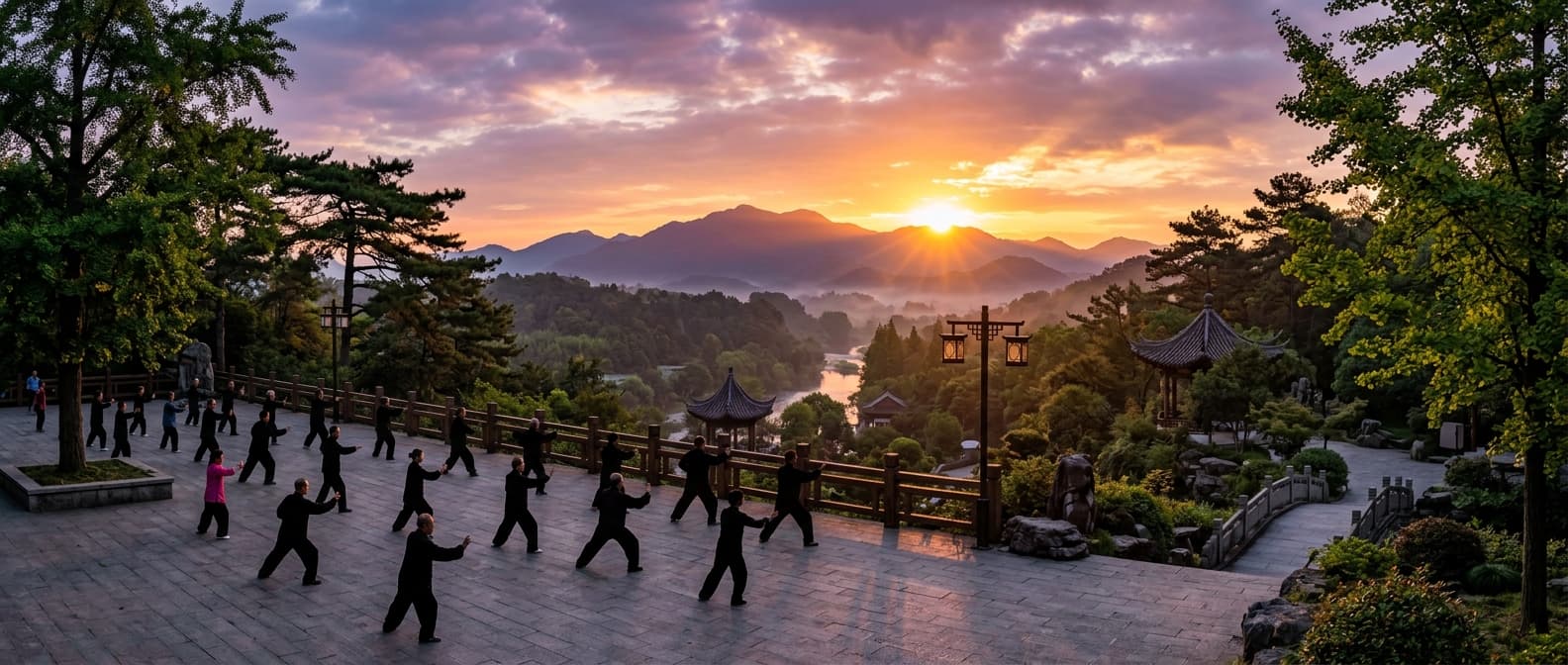
- Stress: Practice gentle movement like tai chi or qigong; these are TCM-aligned exercises
- Temperature: Avoid excessive cold foods and drinks; room-temperature or warm beverages are preferred
- Seasonal living: Adjust activity levels and rest according to seasons
Finding TCM Practitioners at Home
Many Western countries now have licensed acupuncturists and TCM practitioners. Look for credentials (Licensed Acupuncturist, Diplomate of Acupuncture) and practitioners trained in Chinese medicine philosophy, not just acupuncture technique. Your experience in China will help you ask informed questions and recognize quality practitioners.
Frequently Asked Questions
Is Traditional Chinese Medicine scientifically proven?
TCM operates within a different paradigm than Western medicine. Some TCM treatments (acupuncture for pain, certain herbal remedies) have strong scientific evidence. Others have weaker evidence but centuries of clinical observation. The WHO's 2019 recognition acknowledges TCM's validity while calling for more research. The honest answer: some TCM is scientifically validated, some shows promise, and some lacks rigorous evidence. This doesn't make it ineffective—it means we're still understanding mechanisms.
Can I take Chinese herbs back to my home country?
Most dried herbs are permitted in carry-on and checked luggage on international flights. However, some herbs are restricted in certain countries. Before purchasing, ask the clinic about your destination's regulations. Powdered or liquid extracts are easier to transport than bulk dried herbs. Check your country's customs regulations before traveling.
How long should I continue treatment?
This depends entirely on your condition and response. Acute issues (recent cold, minor pain) might improve in 1-2 weeks. Chronic conditions (long-standing pain, digestive issues, hormonal imbalance) typically require 4-12 weeks of consistent treatment. Your practitioner will assess progress and recommend duration. Don't stop abruptly; discuss discontinuation with your practitioner.
Will acupuncture hurt?
The needles are extremely fine (thinner than a human hair). Most people feel minimal discomfort during insertion—perhaps a slight pinch. Once inserted, you might feel heaviness, aching, or warmth around the needle (called deqi), which indicates the treatment is working. Sharp pain is not normal; inform your practitioner immediately if you experience it.
What should I wear to an acupuncture appointment?
Wear loose, comfortable clothing that allows easy access to arms, legs, and back. You'll remove outer layers but keep undergarments on. Avoid heavy makeup or lotion on the face if facial acupuncture is planned. Eat a light meal 1-2 hours before treatment; avoid coming on an empty stomach or immediately after a large meal.
Conclusion
Traditional Chinese Medicine represents one of humanity's most sophisticated and enduring healing systems. For travelers to China, engaging with TCM offers far more than symptom relief—it provides insight into how Chinese people understand health, balance, and the interconnection between body, mind, and environment. Whether you're seeking treatment for a specific condition or simply curious about this ancient practice, approaching TCM with respect and genuine interest will enrich your understanding of Chinese culture profoundly.
Our years navigating TCM clinics across Beijing, Shanghai, and beyond taught us that the most valuable experiences come from licensed practitioners in established clinics, honest communication about your health, and patience with processes that work differently than Western medicine. Start with a consultation, ask questions, and allow yourself to be surprised by how ancient wisdom can address modern health challenges.
For more guidance on health and wellness while traveling in China, explore our health and safety guide. Ready to experience TCM firsthand? Our Beijing attractions guide and Shanghai attractions guide include information on major TCM hospitals and clinics worth visiting.
Trust us on this: TCM isn't just an alternative medicine—it's a window into how China thinks, heals, and lives.

About the Author
Go2China Team
The Go2China editorial team combines first-hand travel experience with deep cultural knowledge to bring you accurate, up-to-date guides for exploring China — from the Great Wall and Forbidden City to hidden gems off the tourist trail.
- ✓Lived and traveled extensively across China
- ✓Native & bilingual Mandarin speakers on team
- ✓Verified info from official Chinese tourism sources