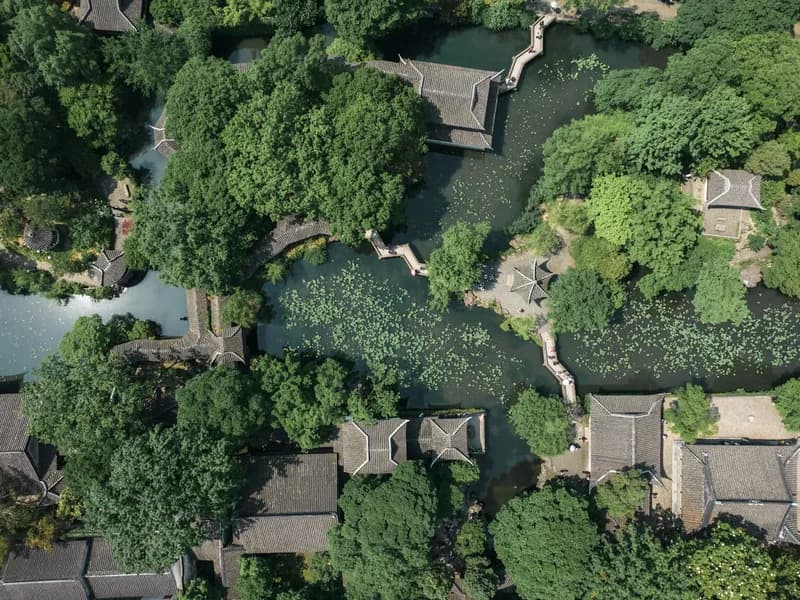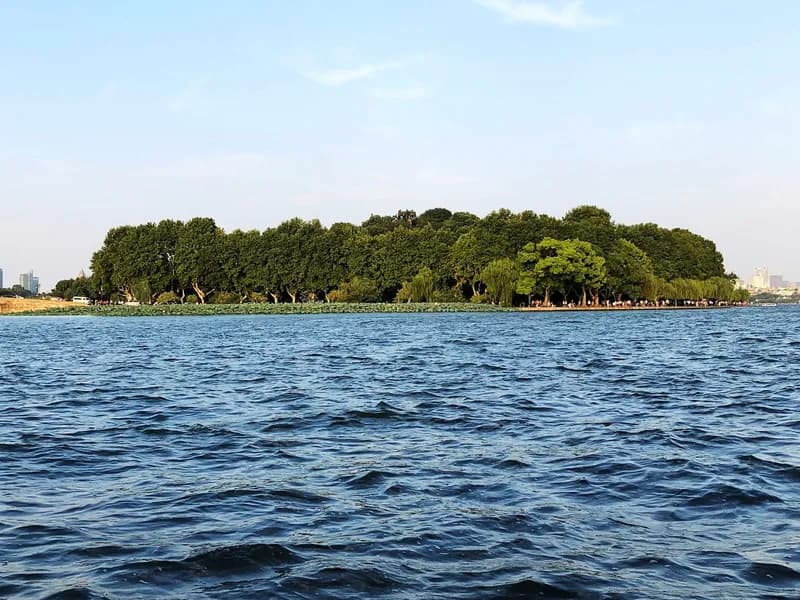
Xiamen cityscape

Xiamen

East China

Quick Facts

Population

5.3 million

Province

Fujian

Region

East China

Best Time

Apr - May, Oct - Nov

Language

Mandarin Chinese

Currency

Chinese Yuan (CNY)

Overview

A charming coastal city on China's southeastern coast, Xiamen is known for its mild climate, clean beaches, and the picturesque pedestrian island of Gulangyu, a UNESCO World Heritage Site. The city offers a relaxed atmosphere with colonial-era architecture, vibrant seafood markets, and a thriving cafe culture. Its proximity to Taiwan gives it a unique cross-strait cultural character.

coastalgulangyurelaxedeast china

Top Attractions in Xiamen

1

Gulangyu Island

Gulangyu Island is one of Xiamen's most celebrated attractions, drawing visitors from across China and around the world. It offers a fascinating glimpse into the region's rich cultural heritage and makes a rewarding stop on any Xiamen itinerary.

2

Nanputuo Temple

Nanputuo Temple is one of Xiamen's most celebrated attractions, drawing visitors from across China and around the world. It offers a fascinating glimpse into the region's rich cultural heritage and makes a rewarding stop on any Xiamen itinerary.

3

Huandao Road

Huandao Road is one of Xiamen's most celebrated attractions, drawing visitors from across China and around the world. It offers a fascinating glimpse into the region's rich cultural heritage and makes a rewarding stop on any Xiamen itinerary.

4

Zhongshan Road

Zhongshan Road is one of Xiamen's most celebrated attractions, drawing visitors from across China and around the world. It offers a fascinating glimpse into the region's rich cultural heritage and makes a rewarding stop on any Xiamen itinerary.

5

Xiamen University

Xiamen University is one of Xiamen's most celebrated attractions, drawing visitors from across China and around the world. It offers a fascinating glimpse into the region's rich cultural heritage and makes a rewarding stop on any Xiamen itinerary.

6

Jimei School Village

Jimei School Village is one of Xiamen's most celebrated attractions, drawing visitors from across China and around the world. It offers a fascinating glimpse into the region's rich cultural heritage and makes a rewarding stop on any Xiamen itinerary.

Getting to Xiamen

Xiamen is well connected by China's extensive high-speed rail network, domestic flights, and long-distance buses. Most travellers arrive by train or plane, both of which are affordable and convenient.

Where to Stay in Xiamen

Budget

Budget: Hostels and budget hotels from $15-40/night

Mid-Range

Mid-Range: 3-4 star hotels from $50-120/night

Luxury

Luxury: 5-star hotels and resorts from $150+/night

Compare prices and book your stay in Xiamen with trusted partners.

Food & Drink in Xiamen

Xiamen's food scene blends refined Shanghainese flavours with broader Jiangnan cuisine. Expect sweet-savoury dishes, fresh seafood, and delicate soup dumplings.

Regional Dishes to Try

Xiaolongbao (Soup Dumplings)
snack$$

Xiaolongbao (Soup Dumplings)

Spice: noneMid-range

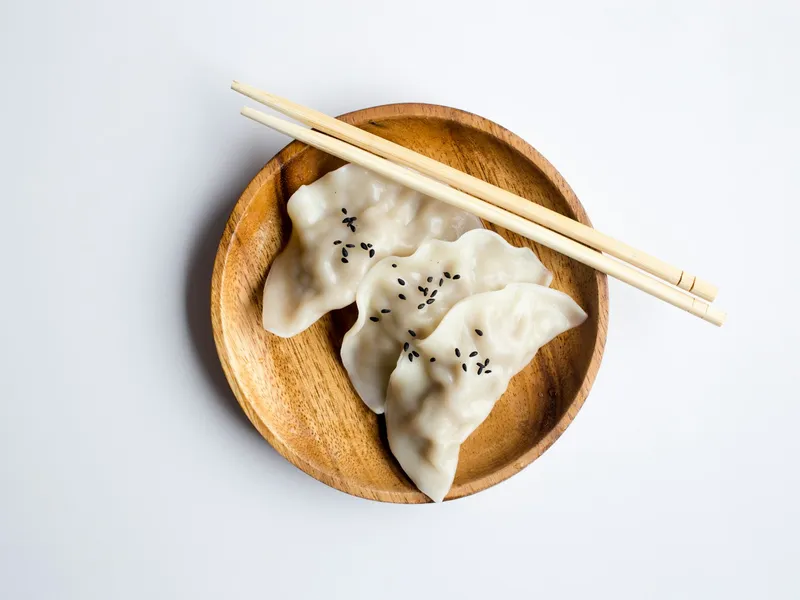
Shanghai's signature soup dumplings are delicate steamed parcels with thin, pleated wrappers that contain a savory pork filling and a burst of rich, flavorful broth. The secret is a gelatinized broth mixed into the filling that liquefies when steamed. Eaten by carefully biting a small hole, sipping the soup, then dipping in black vinegar with ginger.


Drinks to Discover

Chinese Green Tea
teahot

Chinese Green Tea

The most widely consumed tea in China, green tea is prized for its fresh, grassy flavor and numerous health benefits. Famous varieties include Longjing (Dragon Well) from Hangzhou, Biluochun from Suzhou, and Huangshan Maofeng from Anhui. Green tea undergoes minimal oxidation, preserving its delicate flavor and bright green color. It has been a cornerstone of Chinese culture for over 3,000 years.

Oolong Tea
teahot

Oolong Tea

A partially oxidized tea that falls between green and black tea, oolong offers a complex spectrum of flavors from floral and creamy to roasted and woody. Tieguanyin from Fujian and Da Hong Pao from the Wuyi Mountains are among the most celebrated oolongs. The traditional gongfu tea ceremony, especially popular in Fujian and Guangdong, is built around the careful preparation of oolong tea.

Pu-erh Tea
teahot

Pu-erh Tea

A unique fermented tea from Yunnan Province that improves with age, much like fine wine. Pu-erh undergoes a microbial fermentation process that gives it a deep, earthy, and smooth flavor. Aged pu-erh cakes can command thousands of dollars and are prized by collectors. It is traditionally valued for its digestive benefits and is often served after heavy meals.

Best Time to Visit Xiamen

Visit East China in April to May or October to November for comfortable temperatures and less rainfall. Summer brings high humidity and heavy rains, while winters are damp and chilly. Spring is especially beautiful in Hangzhou, when the West Lake shoreline bursts with cherry blossoms and new tea is harvested.

Recommended months

Apr - May, Oct - Nov

Peak season

Higher prices and crowds, but the best weather and conditions for sightseeing.

Off season

Lower prices and fewer tourists, but weather may be less favourable for outdoor activities.

Frequently Asked Questions

What is the best time to visit Xiamen?
Visit East China in April to May or October to November for comfortable temperatures and less rainfall. Summer brings high humidity and heavy rains, while winters are damp and chilly. Spring is especially beautiful in Hangzhou, when the West Lake shoreline bursts with cherry blossoms and new tea is harvested.
How do I get to Xiamen?
Xiamen is well served by China's extensive high-speed rail network and domestic flights. Most major Chinese cities have direct high-speed train or flight connections to Xiamen. The city's main railway station and airport both offer convenient public transport links to the city centre. Booking through Trip.com or the 12306 app is recommended.
What is Xiamen famous for?
Xiamen is renowned for its iconic attractions including Gulangyu Island, Nanputuo Temple, Huandao Road, Zhongshan Road. A charming coastal city on China's southeastern coast, Xiamen is known for its mild climate, clean beaches, and the picturesque pedestrian island of Gulangyu, a UNESCO World Heritage Site. The city offers a relaxed atmosphere with colonial-era architecture, vibrant seafood markets, and a thriving cafe culture.
Is Xiamen safe for tourists?
Yes, Xiamen is generally very safe for tourists. China has low rates of violent crime, and cities are well-monitored. Exercise normal precautions with your belongings in crowded tourist areas and be aware of common scams like the tea house invitation. Use official taxis or the Didi ride-hailing app to avoid transport scams.
What food should I try in Xiamen?
Xiamen has a vibrant food scene reflecting its regional culinary traditions. Be sure to explore local restaurants and street food stalls for authentic flavours. Ask your hotel for recommendations on the best neighbourhood eateries.
How many days should I spend in Xiamen?
Plan at least 3-4 days to explore Xiamen's main attractions without rushing. With 6 major highlights including Gulangyu Island and Nanputuo Temple, you'll want enough time to soak in the culture and enjoy the food scene. Add an extra day or two if you plan day trips to nearby destinations.
What language is spoken in Xiamen?
Mandarin Chinese (Putonghua) is the official language and is spoken everywhere in Xiamen. English is limited outside international hotels and major tourist sites, so a translation app and a few basic Mandarin phrases will be very helpful.
What is the population of Xiamen?
Xiamen has a population of approximately 5.3 million, making it a large and vibrant Chinese city. The metropolitan area may be even larger when surrounding districts are included.
Travel guide for Shanghai
East China

Shanghai

China's largest city and a global financial hub, Shanghai dazzles visitors with its futuristic skyline along the Pudong waterfront and the colonial-era architecture of the Bund. Known for its vibrant nightlife, world-class dining, and rich art scene, Shanghai represents the cutting edge of modern China.

The BundYu Garden+4 more
Explore City
Travel guide for Suzhou
East China

Suzhou

Known as the Venice of the East, Suzhou is celebrated for its exquisite classical gardens, many of which are UNESCO World Heritage Sites, and its ancient canal system. For centuries, this city has been famous for its silk production, refined cuisine, and the soft beauty of its waterways. Suzhou perfectly embodies the elegance and artistry of traditional Chinese culture.

Humble Administrator's GardenTiger Hill+4 more
Explore City
Travel guide for Hangzhou
East China

Hangzhou

Famous for the breathtaking West Lake, a UNESCO World Heritage Site, Hangzhou has inspired poets and artists for over a thousand years. Marco Polo reportedly called it the finest and most splendid city in the world. Today it is also a tech hub, serving as the headquarters of Alibaba, while maintaining its reputation for tea plantations and silk production.

West LakeLingyin Temple+4 more
Explore City

Plan Your Trip to Xiamen

Find hotels, activities, and travel tips for Xiamen in China.