
Wang Laoji Herbal Tea

Wang Laoji Herbal Tea

non-alcoholiccold

王老吉凉茶

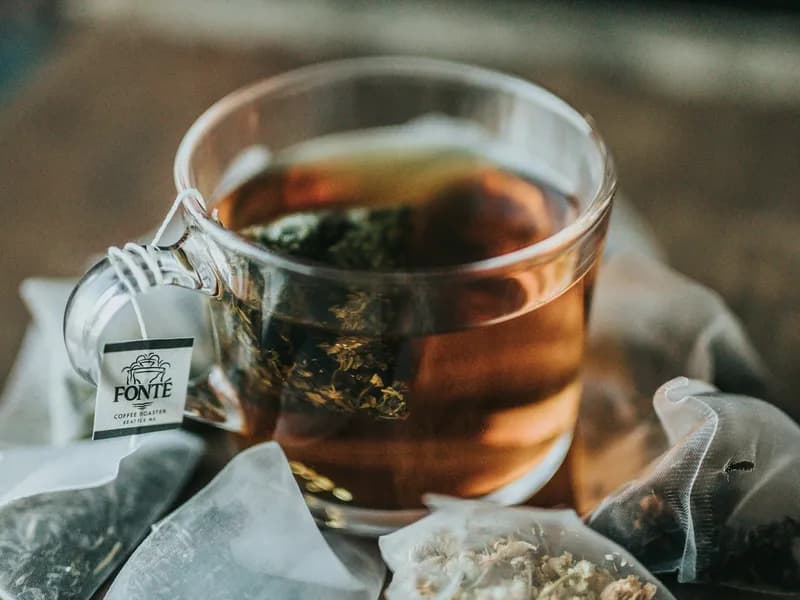
China's most popular herbal tea drink, sold in its iconic red can. Wang Laoji is a traditional Cantonese herbal tea blend believed to reduce internal heat according to Chinese medicine principles. Made from a proprietary blend of herbs including honeysuckle, chrysanthemum, and licorice, it has a mildly sweet, slightly bitter taste. Often consumed with spicy food like hot pot to balance the heat.

Tags

non-alcoholicherbalcoldcantonesemedicinal

History & Origin

China's non-alcoholic drink traditions extend back millennia, from soy milk and herbal teas to sweet fermented rice drinks. Many are rooted in Traditional Chinese Medicine, designed to cool, warm, or balance the body. The modern non-alcoholic scene has expanded to include countless packaged herbal teas, fruit juices, and plant-based beverages found in every convenience store.

How It's Prepared

Many traditional Chinese non-alcoholic drinks are simmered or steeped for extended periods to extract full flavour. Sour plum juice, for example, requires hours of slow cooking with smoked plums and dried hawthorn. Soy milk is ground fresh from soaked soybeans each morning. These time-honoured methods prioritise depth of flavour and nutritional value over convenience.

Where to Try Wang Laoji Herbal Tea

Travel guide for Shanghai
East China

Shanghai

China's largest city and a global financial hub, Shanghai dazzles visitors with its futuristic skyline along the Pudong waterfront and the colonial-era architecture of the Bund. Known for its vibrant nightlife, world-class dining, and rich art scene, Shanghai represents the cutting edge of modern China.

The BundYu Garden+4 more
Explore City


Travel guide for Guangzhou
South China

Guangzhou

The capital of Guangdong Province and the birthplace of Cantonese cuisine, Guangzhou is a sprawling southern metropolis with over 2,200 years of history. Famous for its dim sum culture, the Canton Tower, and bustling trade fairs, it serves as the gateway to southern China and Hong Kong.

Canton TowerChen Clan Ancestral Hall+3 more
Explore City
Travel guide for Chengdu
Southwest China

Chengdu

The laid-back capital of Sichuan Province is famous worldwide for its giant panda breeding centers and fiery Sichuan cuisine. Chengdu is known as the land of abundance, offering a slower pace of life with its teahouse culture, mahjong traditions, and proximity to stunning natural landscapes including Jiuzhaigou Valley.

Giant Panda Breeding Research BaseJinli Ancient Street+3 more
Explore City

Health Benefits

Many Chinese non-alcoholic drinks have roots in TCM. Herbal teas like Wang Laoji are formulated to reduce internal heat and balance the body after spicy meals. Soy milk provides plant-based protein and isoflavones. Sour plum juice is rich in organic acids that aid digestion. These drinks reflect the Chinese principle that daily beverages should nourish as well as refresh.

Frequently Asked Questions

What does Wang Laoji Herbal Tea taste like?
China's most popular herbal tea drink, sold in its iconic red can. Wang Laoji is a traditional Cantonese herbal tea blend believed to reduce internal heat according to Chinese medicine principles.
What is Wang Laoji Herbal Tea called in Chinese?
Wang Laoji Herbal Tea is known as 王老吉凉茶 in Chinese. This is helpful to know when ordering at local shops or restaurants, especially outside major tourist areas.
Where can I find Wang Laoji Herbal Tea in China?
Wang Laoji Herbal Tea is widely available across China in restaurants, bars, convenience stores, and supermarkets. For the best experience, try it at a venue that specialises in this type of drink.
Is Wang Laoji Herbal Tea alcoholic?
No, Wang Laoji Herbal Tea is a non-alcoholic drink and suitable for everyone. It is a great option for those who prefer alcohol-free beverages.
How much does Wang Laoji Herbal Tea cost?
Wang Laoji Herbal Tea is generally affordable, with prices typically ranging from ¥5-30 ($1-4) depending on where you buy it. Convenience stores and street vendors offer the best value.
Are there health benefits to drinking Wang Laoji Herbal Tea?
Many Chinese non-alcoholic drinks have roots in TCM. Herbal teas like Wang Laoji are formulated to reduce internal heat and balance the body after spicy meals.

More Drinks to Try

Soy Milk
non-alcoholichot

Soy Milk

A traditional Chinese breakfast drink made from ground soybeans and water, served either sweetened or savory. Fresh, hot soy milk paired with fried dough sticks (youtiao) is the quintessential Chinese breakfast combination. Rich in protein and naturally dairy-free, soy milk has been a staple of the Chinese diet for over 2,000 years and is freshly made at breakfast stalls each morning.

Sour Plum Juice
non-alcoholiccold

Sour Plum Juice

A sweet-tart chilled drink made from smoked plums, dried hawthorn berries, osmanthus flowers, and rock sugar. This traditional summer refreshment dates back to the Qing Dynasty and is the perfect thirst-quencher in China's hot summers. Often sold from street vendors in Beijing's hutongs and widely available bottled. Its tangy, slightly smoky flavor is uniquely refreshing.

Explore More Drinks

Discover the full range of traditional and modern drinks across China.