
Hot Pot

Hot Pot

็ซ้”…Main Dish๐ŸŽš๏ธ Varies

Quick Facts

Chinese Name

็ซ้”…

Category

Main Dish

Region

Sichuan

Spice Level

๐ŸŽš๏ธ Varies

Price Range

ยฅยฅ Moderate

About Hot Pot

A communal dining experience where diners cook a variety of fresh ingredients in a simmering pot of flavored broth at the center of the table. The Sichuan-style hot pot features a fiery, red chili oil broth packed with peppercorns, while other regions offer milder broths. Split pots allow diners to enjoy both spicy and mild options simultaneously.

Hot Pot is a cornerstone of Sichuan cuisine and one of the most beloved dishes in China. Whether served at a humble street stall or an upscale restaurant, this dish showcases the depth and balance that Chinese cooking is famous for. Travellers often cite Hot Pot as a highlight of their culinary journey through China.

History & Origin

Chinese main dishes have evolved over thousands of years, shaped by imperial kitchens, regional ingredients, and the philosophical balance of flavours, colours, and textures. Each province developed signature dishes that reflect local agriculture, climate, and cultural identity, turning the dinner table into a map of China's diverse heritage.

The story of Hot Pot is intertwined with the culinary traditions of the Sichuan region, where generations of cooks have refined the recipe to its current form. Today it is enjoyed not only in its region of origin but across all of China and in Chinese restaurants worldwide.

How It's Prepared

Mastering Chinese main dishes requires skill with wok hei โ€” the elusive smoky sear achieved at extreme heat. Ingredients are typically cut to uniform size for even cooking, and sauces are built in layers: aromatics first, then proteins, vegetables, and a finishing glaze. Timing and heat control are everything.

When ordering Hot Pot in China, watch for restaurants where the dish is prepared fresh to order rather than pre-made. The aroma, texture, and presentation of a freshly prepared Hot Pot are unmistakable. Do not hesitate to ask the staff about their preparation method -- it is a great conversation starter and shows genuine interest in the food.

Where to Try Hot Pot

For the most authentic Hot Pot, head to the cities where this dish has its roots. Local restaurants and street vendors in these cities have perfected the recipe over generations. Look for busy, no-frills eateries -- a crowd of locals is the best quality indicator. Many travellers find that tasting Hot Pot in its region of origin is an entirely different experience from ordering it elsewhere.

Travel guide for Chengdu
Southwest China

Chengdu

The laid-back capital of Sichuan Province is famous worldwide for its giant panda breeding centers and fiery Sichuan cuisine. Chengdu is known as the land of abundance, offering a slower pace of life with its teahouse culture, mahjong traditions, and proximity to stunning natural landscapes including Jiuzhaigou Valley.

Giant Panda Breeding Research BaseJinli Ancient Street+3 more
Explore City


Travel guide for Chongqing
Southwest China

Chongqing

Built dramatically across steep hills at the confluence of the Yangtze and Jialing rivers, Chongqing is one of China's most visually striking cities. Famous for its mouth-numbing hot pot, neon-lit night skyline, and serving as the starting point for Yangtze River cruises through the Three Gorges, this mountainous megacity offers an unforgettable urban experience unlike anywhere else in China.

Yangtze River CruiseHongya Cave+4 more
Explore City

Spice Guide

Spice level depends on the restaurant and regional style. Ask before ordering if you are sensitive to heat.

๐ŸŽš๏ธ

Varies

Spice level for Hot Pot

MildMediumHot

Ordering Tips

  • โ€ขAsk for "wei la" (ๅพฎ่พฃ) for mild spice, or "bu la" (ไธ่พฃ) for no spice.
  • โ€ขHave rice on hand to temper the heat -- plain steamed rice is the best palate cleanser.
  • โ€ขCold drinks like beer or iced tea pair well with spicy dishes, while hot tea is traditional.
  • โ€ขMany restaurants offer spice-level options. Don't hesitate to specify your preference when ordering.

What to Drink With Hot Pot

Choosing the right drink elevates the experience of Hot Pot. In China, meals are traditionally accompanied by tea, beer, or spirits depending on the occasion and the weight of the dish. Here are our recommended pairings to complement Hot Pot.

Tsingtao Beer
beeralcoholic

Tsingtao Beer

China's most famous beer brand, brewed in the coastal city of Qingdao since 1903 when the city was under German administration. This crisp, refreshing lager uses spring water from Laoshan Mountain and follows German brewing traditions. Tsingtao is exported to over 100 countries and is the beer of choice at Chinese restaurants worldwide. The annual Qingdao Beer Festival is Asia's largest.

Baijiu
spiritalcoholic

Baijiu

China's national spirit and the most consumed liquor in the world by volume, baijiu is a potent clear spirit distilled from sorghum, wheat, rice, or other grains. With an alcohol content typically between 40-60%, it has an intensely aromatic and complex flavor profile. Baijiu is essential at Chinese banquets and business dinners, where toasting rituals play an important social role. Famous brands include Moutai and Wuliangye.

Chinese Green Tea
teahot

Chinese Green Tea

The most widely consumed tea in China, green tea is prized for its fresh, grassy flavor and numerous health benefits. Famous varieties include Longjing (Dragon Well) from Hangzhou, Biluochun from Suzhou, and Huangshan Maofeng from Anhui. Green tea undergoes minimal oxidation, preserving its delicate flavor and bright green color. It has been a cornerstone of Chinese culture for over 3,000 years.

Similar Dishes

Kung Pao Chicken
main-dishbudget

Kung Pao Chicken

Spice: medium

A classic Sichuan stir-fry dish featuring tender diced chicken, roasted peanuts, dried chili peppers, and Sichuan peppercorns. The sauce strikes a perfect balance of spicy, sweet, and tangy flavors. Named after a Qing Dynasty official, this dish has become one of China's most internationally recognized recipes.

Peking Duck
main-dishpremium

Peking Duck

Spice: none

Beijing's most famous culinary masterpiece, Peking Duck features a whole duck roasted until the skin is perfectly thin and crispy while the meat remains succulent. Traditionally served sliced at the table, it is wrapped in thin pancakes with hoisin sauce, scallions, and cucumber. The art of preparing this dish has been refined for over 600 years.

Mapo Tofu
main-dishbudget

Mapo Tofu

Spice: hot

A fiery Sichuan classic that combines silky soft tofu cubes with a bold sauce of fermented bean paste, chili oil, Sichuan peppercorns, and minced pork. The signature numbing-spicy flavor, known as mala, creates a uniquely addictive taste sensation. Invented in the 1860s by a pock-marked old woman in Chengdu, it remains a beloved comfort food across China.

Char Siu (BBQ Pork)
main-dishmoderate

Char Siu (BBQ Pork)

Spice: none

A Cantonese barbecue classic, char siu features strips of pork marinated in a mixture of honey, five-spice powder, fermented tofu, soy sauce, and hoisin sauce, then roasted until the exterior develops a signature glossy, caramelized red coating. Served over rice, in noodle soups, or stuffed inside fluffy steamed buns, it is quintessential Cantonese comfort food.

Fried Rice
main-dishbudget

Fried Rice

Spice: none

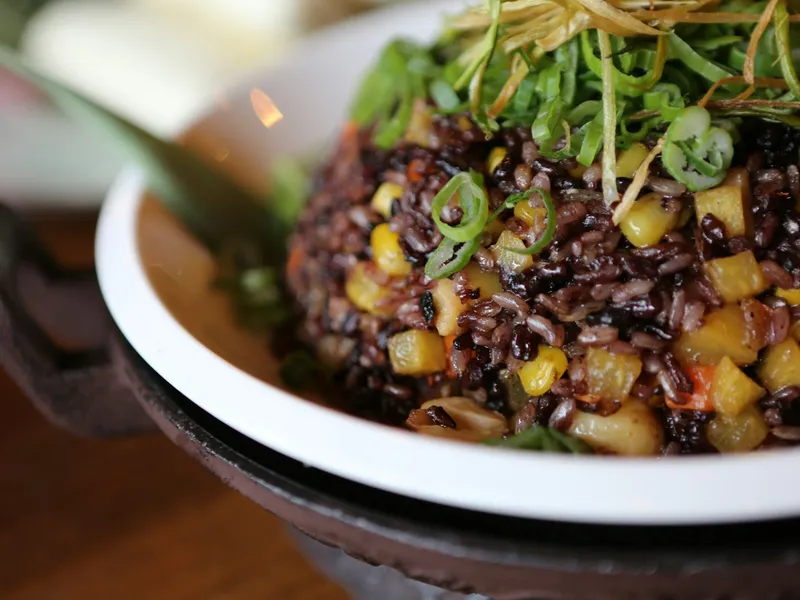
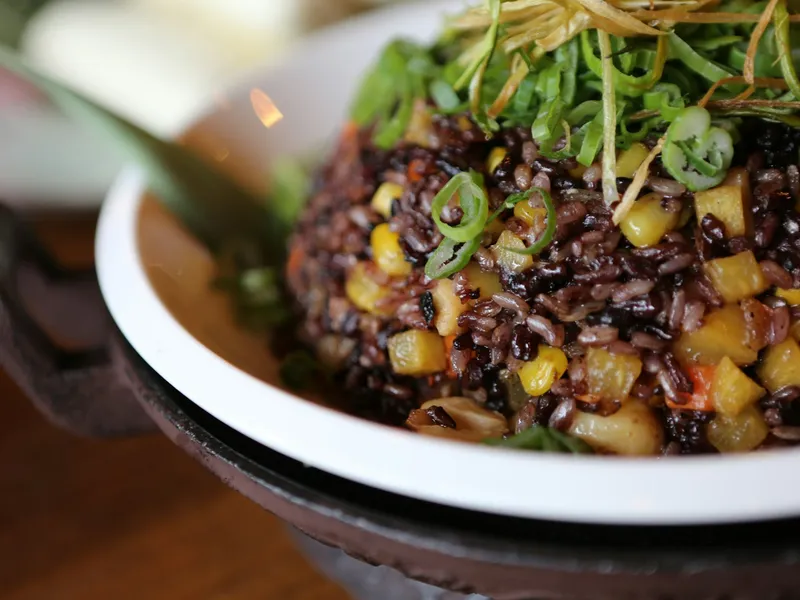
A staple of Chinese cooking, fried rice transforms day-old rice into a satisfying meal by stir-frying it at high heat with eggs, vegetables, and proteins like shrimp, chicken, or char siu pork. The Yangzhou-style fried rice, featuring a colorful mix of shrimp, ham, peas, and egg, is considered the gold standard. The key is using cold, dry rice and a very hot wok.

Sweet and Sour Pork
main-dishmoderate

Sweet and Sour Pork

Spice: none

Bite-sized pieces of pork are coated in a light batter, deep-fried until golden and crispy, then tossed in a vibrant sweet and tangy sauce made from vinegar, sugar, ketchup, and pineapple. Originating from Cantonese cuisine, this dish showcases the Chinese culinary principle of balancing contrasting flavors in perfect harmony.

Frequently Asked Questions

What does Hot Pot taste like?
A communal dining experience where diners cook a variety of fresh ingredients in a simmering pot of flavored broth at the center of the table. The Sichuan-style hot pot features a fiery, red chili oil broth packed with peppercorns, while other regions offer milder broths.
Is Hot Pot spicy?
The spice level of Hot Pot varies depending on the restaurant and regional style. Ask your server about the heat level before ordering, and request adjustments if needed.
Where can I try authentic Hot Pot?
For the most authentic Hot Pot, head to Chengdu, Chongqing where this dish originates. Local restaurants and street vendors in these cities have perfected the recipe over generations. Look for busy, no-frills eateries โ€” a crowd of locals is the best quality indicator.
How much does Hot Pot cost in China?
Hot Pot falls in the moderate range. Mid-range pricing, usually ยฅ30โ€“80 (about $4โ€“11). Found at sit-down restaurants with a wider menu. Prices can vary significantly between a street stall and a high-end restaurant serving the same dish.
What is Hot Pot in Chinese?
Hot Pot is called ็ซ้”… in Chinese. Showing the characters to a restaurant server or taxi driver can be very helpful. You can also save the Chinese name on your phone for quick reference when ordering.
Is Hot Pot vegetarian-friendly?
The traditional version of Hot Pot contains meat or animal products. However, vegetarian Chinese cuisine is widespread, and many restaurants can prepare a modified version on request. Buddhist vegetarian restaurants offer fully plant-based menus if you want to be certain.

Tags

sichuanchongqingmain-dishcommunalinteractive

China Food Spotlight

Discover the most delicious dishes in China.