Mooncake

Mooncake

月饼Dessert

Quick Facts

Chinese Name

月饼

Category

Dessert

Region

Nationwide

Spice Level

🌿 Not Spicy

Price Range

¥¥ Moderate

About Mooncake

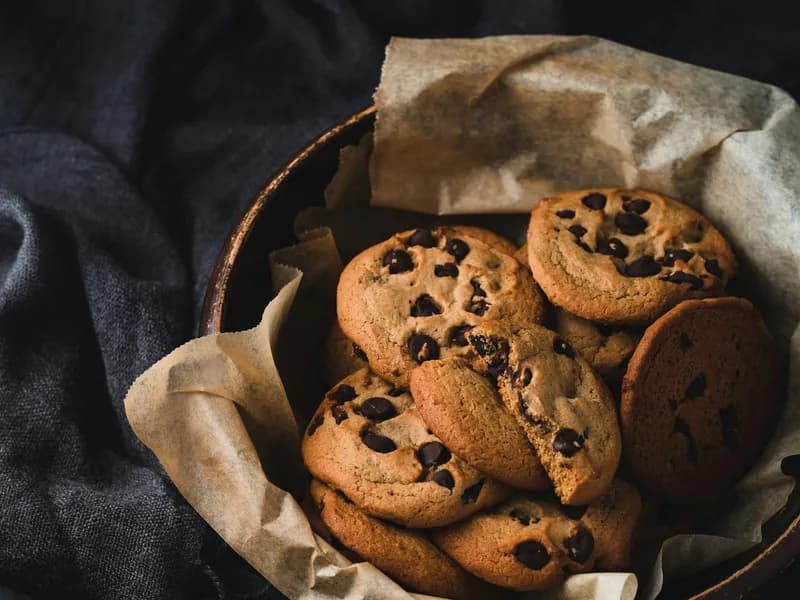
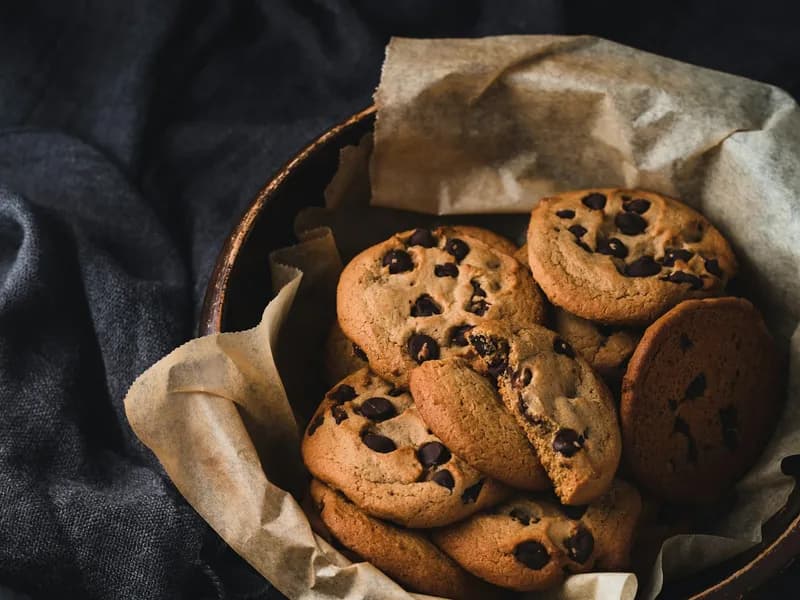
A richly symbolic pastry traditionally eaten during the Mid-Autumn Festival to celebrate the harvest moon. Mooncakes feature an ornately pressed exterior and dense fillings such as sweet lotus seed paste, red bean paste, or savory egg yolk. Exchanging beautifully boxed mooncakes is an important social tradition symbolizing reunion and togetherness.

Mooncake is a cornerstone of Nationwide cuisine and one of the most beloved dishes in China. Whether served at a humble street stall or an upscale restaurant, this dish showcases the depth and balance that Chinese cooking is famous for. Travellers often cite Mooncake as a highlight of their culinary journey through China.

History & Origin

Traditional Chinese desserts emphasise subtlety and natural sweetness rather than the heavy sugars found in Western pastries. Many sweets are tied to festivals — mooncakes for Mid-Autumn, tangyuan for Lantern Festival — carrying deep symbolic meaning. Ingredients like red bean, lotus seed, sesame, and osmanthus flowers feature prominently.

The story of Mooncake is intertwined with the culinary traditions of the Nationwide region, where generations of cooks have refined the recipe to its current form. Today it is enjoyed not only in its region of origin but across all of China and in Chinese restaurants worldwide.

How It's Prepared

Chinese dessert preparation relies on techniques like steaming, slow-cooking sweet soups, and moulding pastry. Many traditional sweets use glutinous rice flour, which gives them their characteristic chewy, mochi-like texture. Fillings are made from scratch — red bean paste is simmered for hours until velvety smooth, and lotus seed paste is hand-ground.

When ordering Mooncake in China, watch for restaurants where the dish is prepared fresh to order rather than pre-made. The aroma, texture, and presentation of a freshly prepared Mooncake are unmistakable. Do not hesitate to ask the staff about their preparation method -- it is a great conversation starter and shows genuine interest in the food.

Where to Try Mooncake

For the most authentic Mooncake, head to the cities where this dish has its roots. Local restaurants and street vendors in these cities have perfected the recipe over generations. Look for busy, no-frills eateries -- a crowd of locals is the best quality indicator. Many travellers find that tasting Mooncake in its region of origin is an entirely different experience from ordering it elsewhere.

Travel guide for Beijing
North China

Beijing

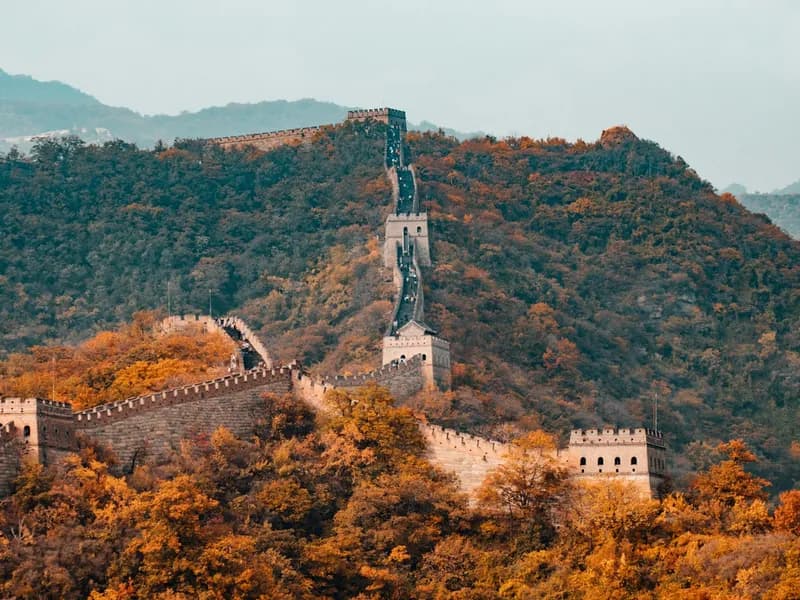
The capital of the People's Republic of China and one of the most populous cities in the world. Beijing is a treasure trove of ancient history, home to the Forbidden City, the Great Wall, and the Temple of Heaven. As the political and cultural heart of China, it seamlessly blends imperial grandeur with modern innovation.

Great WallForbidden City+4 more
Explore City
Travel guide for Shanghai
East China

Shanghai

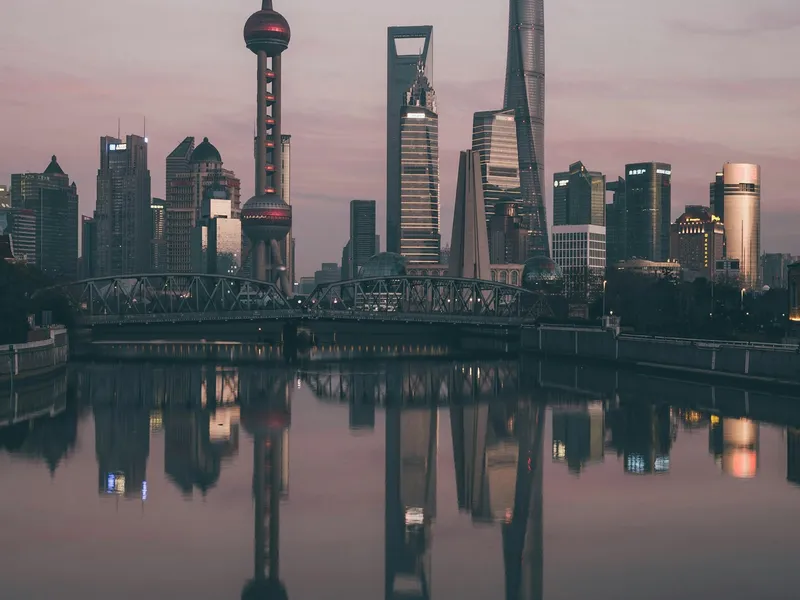
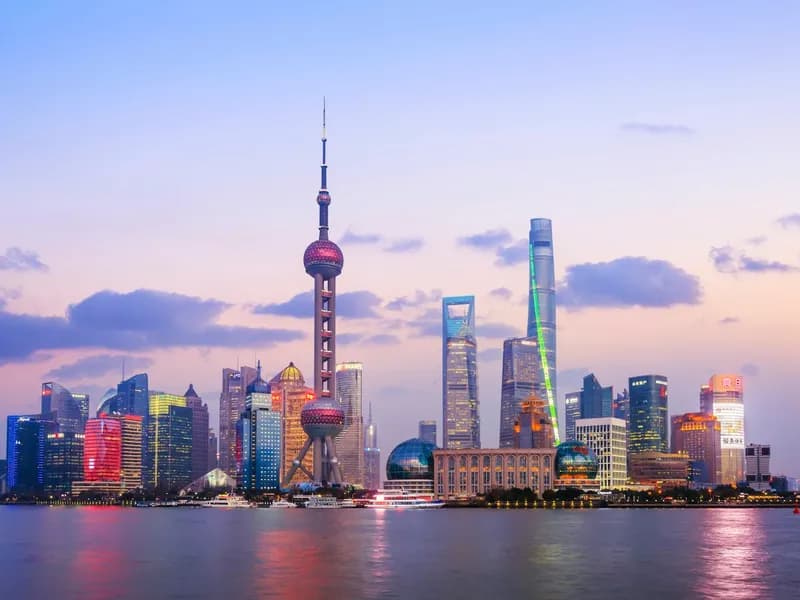
China's largest city and a global financial hub, Shanghai dazzles visitors with its futuristic skyline along the Pudong waterfront and the colonial-era architecture of the Bund. Known for its vibrant nightlife, world-class dining, and rich art scene, Shanghai represents the cutting edge of modern China.

The BundYu Garden+4 more
Explore City
Travel guide for Guangzhou
South China

Guangzhou

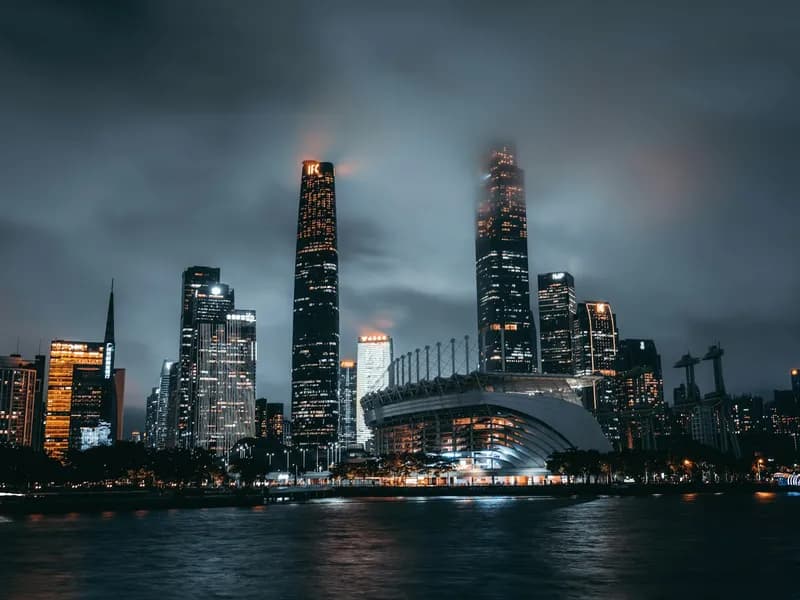
The capital of Guangdong Province and the birthplace of Cantonese cuisine, Guangzhou is a sprawling southern metropolis with over 2,200 years of history. Famous for its dim sum culture, the Canton Tower, and bustling trade fairs, it serves as the gateway to southern China and Hong Kong.

Canton TowerChen Clan Ancestral Hall+3 more
Explore City
Travel guide for Chengdu
Southwest China

Chengdu

The laid-back capital of Sichuan Province is famous worldwide for its giant panda breeding centers and fiery Sichuan cuisine. Chengdu is known as the land of abundance, offering a slower pace of life with its teahouse culture, mahjong traditions, and proximity to stunning natural landscapes including Jiuzhaigou Valley.

Giant Panda Breeding Research BaseJinli Ancient Street+3 more
Explore City

What to Drink With Mooncake

Choosing the right drink elevates the experience of Mooncake. In China, meals are traditionally accompanied by tea, beer, or spirits depending on the occasion and the weight of the dish. Here are our recommended pairings to complement Mooncake.

Chinese Green Tea
teahot

Chinese Green Tea

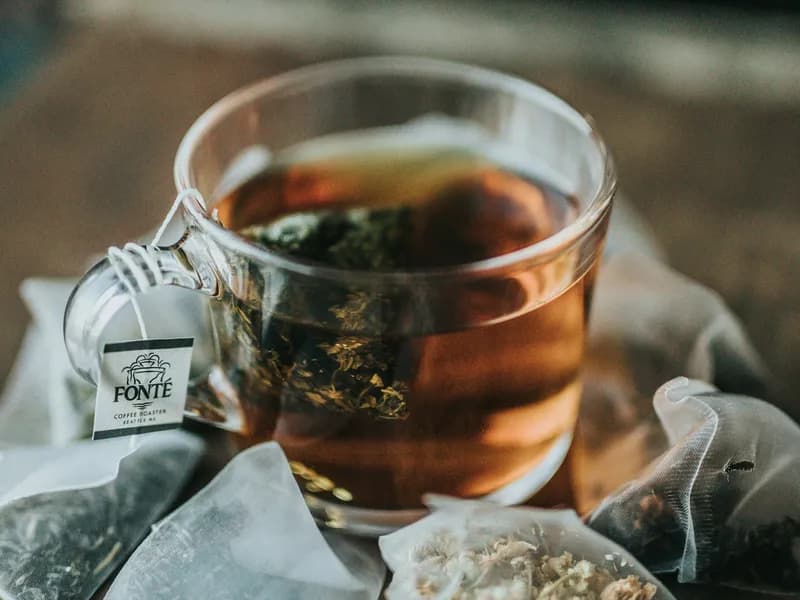
The most widely consumed tea in China, green tea is prized for its fresh, grassy flavor and numerous health benefits. Famous varieties include Longjing (Dragon Well) from Hangzhou, Biluochun from Suzhou, and Huangshan Maofeng from Anhui. Green tea undergoes minimal oxidation, preserving its delicate flavor and bright green color. It has been a cornerstone of Chinese culture for over 3,000 years.

Oolong Tea
teahot

Oolong Tea

A partially oxidized tea that falls between green and black tea, oolong offers a complex spectrum of flavors from floral and creamy to roasted and woody. Tieguanyin from Fujian and Da Hong Pao from the Wuyi Mountains are among the most celebrated oolongs. The traditional gongfu tea ceremony, especially popular in Fujian and Guangdong, is built around the careful preparation of oolong tea.

Pu-erh Tea
teahot

Pu-erh Tea

A unique fermented tea from Yunnan Province that improves with age, much like fine wine. Pu-erh undergoes a microbial fermentation process that gives it a deep, earthy, and smooth flavor. Aged pu-erh cakes can command thousands of dollars and are prized by collectors. It is traditionally valued for its digestive benefits and is often served after heavy meals.

Similar Dishes

Tanghulu (Candied Fruit)
dessertbudget

Tanghulu (Candied Fruit)

Spice: none

A beloved northern Chinese street snack of fruits skewered on bamboo sticks and coated in a crackly shell of hardened sugar syrup. Traditional tanghulu uses hawthorn berries, but modern versions feature strawberries, grapes, tangerines, and other fruits. The satisfying crack of the sugar shell giving way to tart fruit inside has made this treat an enduring winter favorite.

Frequently Asked Questions

What does Mooncake taste like?
A richly symbolic pastry traditionally eaten during the Mid-Autumn Festival to celebrate the harvest moon. Mooncakes feature an ornately pressed exterior and dense fillings such as sweet lotus seed paste, red bean paste, or savory egg yolk.
Is Mooncake spicy?
No, Mooncake is not spicy at all. It is mild and approachable for all palates, including children and those who prefer gentler flavours.
Where can I try authentic Mooncake?
Mooncake is found throughout China in restaurants of all levels, from humble street stalls to upscale dining rooms. For the best experience, look for busy local restaurants where the dish is freshly prepared to order.
How much does Mooncake cost in China?
Mooncake falls in the moderate range. Mid-range pricing, usually ¥30–80 (about $4–11). Found at sit-down restaurants with a wider menu. Prices can vary significantly between a street stall and a high-end restaurant serving the same dish.
What is Mooncake in Chinese?
Mooncake is called 月饼 in Chinese. Showing the characters to a restaurant server or taxi driver can be very helpful. You can also save the Chinese name on your phone for quick reference when ordering.
Is Mooncake vegetarian-friendly?
The traditional version of Mooncake contains meat or animal products. However, vegetarian Chinese cuisine is widespread, and many restaurants can prepare a modified version on request. Buddhist vegetarian restaurants offer fully plant-based menus if you want to be certain.

Tags

nationwidedessertfestivalmid-autumntraditional

China Food Spotlight

Discover the most delicious dishes in China.