Discover must-try dishes in China, from Peking Duck in Beijing to spicy Sichuan hot pot. Our guide covers regional variations, ordering tips, and where to eat like a local.
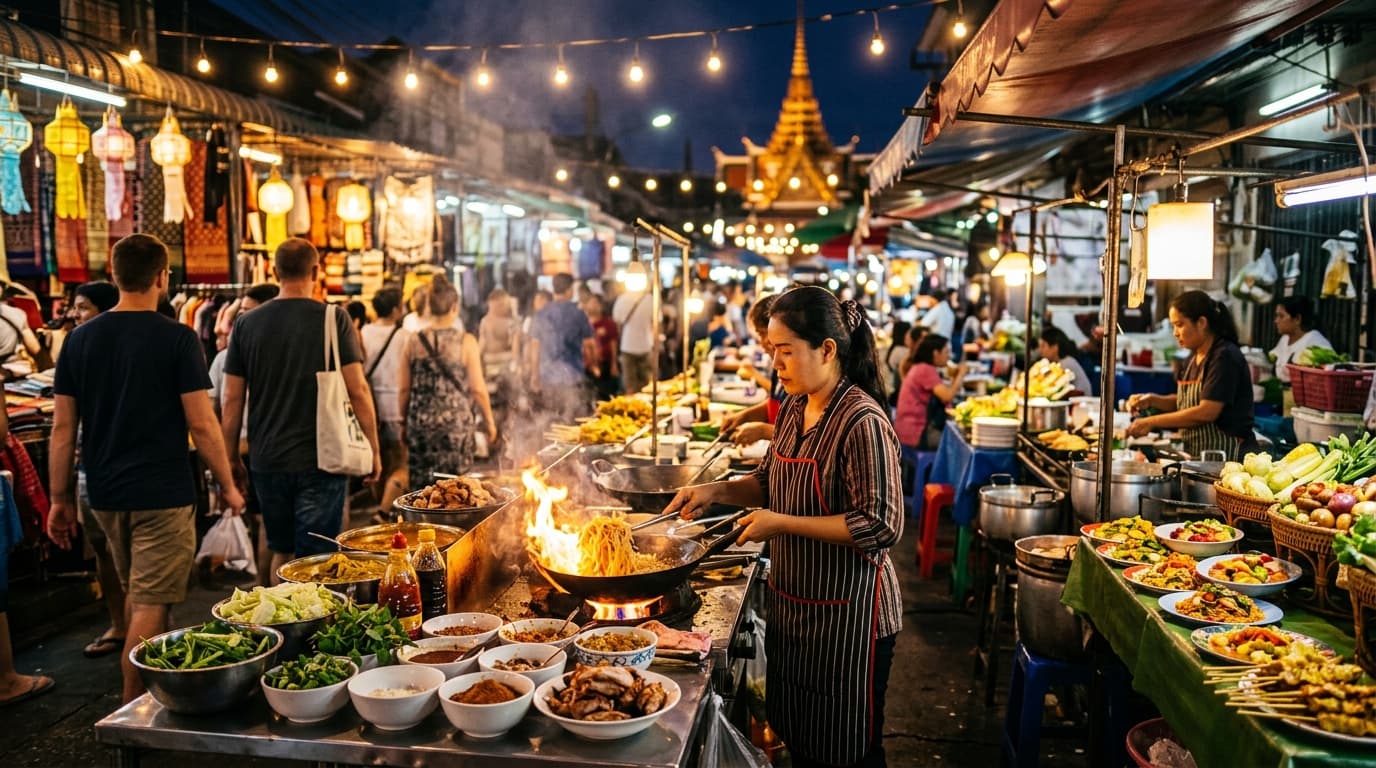
Imagine stepping into a bustling Beijing night market, where the sizzle of woks and the aroma of steaming dumplings pull you in like a magnetic force. What to eat in China isn't just about filling your plate—it's a journey through millennia of history, regional pride, and flavors that range from fiery to delicate. As travelers, we've found that embracing local eats transforms a trip into an unforgettable cultural immersion.
Key Takeaways
| Question | Answer |
|---|---|
| What are the must-try dishes in China? | Iconic options like Peking Duck in Beijing and Sichuan hot pot for spice lovers, with variations across eight major cuisines. |
| How much does a typical meal cost? | Street food starts at around 10-20 CNY ($1.40-2.80 USD), while restaurant meals average 50-100 CNY ($7-14 USD) per person; prices vary by city and venue. |
| Where to find the best local food? | Night markets in Beijing or street stalls in Shanghai; for upscale, try hutong eateries or dim sum houses in Guangzhou. |
| Is Chinese food safe for vegetarians? | Yes, with options like vegetable stir-fries and tofu dishes widespread, but always confirm with "su shi" (vegetarian) when ordering. |
| What etiquette should I follow? | Use chopsticks properly, slurp noodles to show enjoyment, and never stick them upright in rice—read our cultural etiquette guide for more. |
| How to handle spice levels? | Start mild and ask for "bu la" (not spicy); Sichuan and Hunan regions amp up the heat, so sample gradually. |
| Best time for food festivals? | Spring (April-May) for Beijing's temple fairs or autumn (September-October) for harvest-themed eats in rural areas. |
1. Understanding China's Diverse Cuisines
China's culinary landscape is as vast as its geography, divided into eight major regional styles that reflect local ingredients, climate, and traditions. From the hearty wheat-based dishes of the north to the seafood-rich Cantonese fare of the south, Chinese cuisine offers endless variety for travelers seeking authentic experiences. Our team has crisscrossed the country, noting how each region's food tells a story of adaptation and innovation.
When we visited during a crisp autumn in northern China, the robust flavors of lamb skewers stood out against the milder southern steamed buns, highlighting the north-south divide. This diversity ensures no two meals are the same, making food a highlight of any itinerary.
The Eight Major Cuisines Explained
The "Eight Great Traditions" form the backbone of Chinese food, each with unique techniques like stir-frying in Shandong or steaming in Cantonese. These styles emerged over centuries, influenced by imperial courts and trade routes, and remain staples today.
In our research across provinces, we've seen how Anhui cuisine uses wild herbs for subtle earthiness, while Hunan emphasizes bold, fermented chilies. Travelers can explore these by focusing on one region per trip, such as pairing a visit to Beijing travel guide with northern specialties.
Regional Influences on Daily Eating
Geography shapes everything from ingredient choices to cooking methods—think rice in the humid south versus noodles in the arid north. Climate plays a role too; spicy foods in Sichuan ward off dampness, a practical adaptation we've appreciated during rainy season travels.
For deeper dives, check our North China region guide or South China region guide, where food intertwines with local customs.
- Northern Staple: Hand-pulled noodles (lamian) for hearty, chewy textures—perfect after a day exploring the Great Wall.
- Southern Delight: Sticky rice wrapped in lotus leaves, steamed for a fragrant, portable meal.
- Western Twist: Yogurt from Xinjiang's nomadic heritage, cooling against spicy kebabs.
- Eastern Elegance: Delicate seafood soups from Jiangsu, showcasing fresh Yangtze River catches.
- Pro Tip: Pair cuisines with seasonal produce; spring greens elevate any stir-fry.
Did You Know? Chinese cuisine is one of the world's oldest, with evidence of fermented beverages dating back 9,000 years.
2. Iconic Dishes from Beijing and the North
Beijing's food scene pulses with imperial history, where dishes like roast duck symbolize grandeur from the Forbidden City era. Northern Chinese cuisine favors bold, savory profiles using wheat, lamb, and preserved vegetables, a reflection of the region's dry climate and nomadic influences. During our team's exploration of the capital's hutongs last fall, the smoky aromas from street vendors made evenings unforgettable.
These northern eats provide sustenance for long days of sightseeing, balancing richness with simplicity. For planning, see our Beijing attractions guide to time meals around key sites.
Peking Duck: The Emperor's Favorite
Sliced thin and wrapped in pancakes with hoisin sauce, Peking Duck originated in the Yuan Dynasty as a court delicacy, now a global icon of Chinese gastronomy. The skin's crispiness comes from air-inflation and roasting techniques passed down through generations.
In Beijing, we've found the best versions at traditional restaurants near the Forbidden City, where the ritual of carving tableside adds theater. Order it whole for groups—it's meant to be shared. For more, read our Peking Duck food guide.
Dumplings and Noodles: Everyday Comforts
Jiaozi dumplings, stuffed with pork and cabbage, trace back to ancient festivals, symbolizing wealth with their coin-like shape. Northern noodles like zhajiangmian, topped with fermented bean sauce, offer a hearty, affordable base for travelers.
Our experience sampling handmade jiaozi in a Beijing market showed how locals boil or pan-fry them fresh—boiled for tenderness, fried for crunch. These are ubiquitous at breakfast stalls.
- Classic Filling: Pork and chive for a savory bite, steamed to retain juices.
- Vegetarian Swap: Mushroom and spinach, widely available in urban areas.
- Best Venue: Morning markets for fresh batches; avoid tourist traps with pre-made versions.
- Ordering Hack: Say "yi wan jiaozi" for a bowl, and specify cooking style.
Link your stay to food adventures with options in the heart of Beijing.
3. Shanghai's Fusion of Sweet and Savory
Shanghai blends eastern and western influences, creating a eastern Chinese cuisine that's refined yet accessible, with sweet-savory balances from its role as a trading port. Dishes here often feature fresh seafood and subtle sweetness, echoing the Yangtze Delta's bounty. In our spring visits, the mild weather enhanced outdoor dining along the Bund.
This cosmopolitan vibe makes Shanghai ideal for foodies mixing local and international flavors. Explore more in our Shanghai travel guide.
Xiaolongbao: Soupy Bun Mastery
These delicate steamed buns, filled with pork and a burst of hot broth, hail from nearby Jiangsu but shine in Shanghai's xiaolongbao houses. The thin dough requires skilled pleating—18 folds per bun is traditional.
We've relished them at neighborhood spots, where the first bite releases savory soup; use ginger vinegar to cut richness. For details, see our Xiaolongbao food guide.
Sweet and Sour Staples
Inspired by coastal ingredients, sweet and sour pork (tangcu pork) uses pineapple and vinegar for a tangy twist, a dish evolved from ancient preservation methods. It's lighter in Shanghai than sweeter Cantonese versions.
During humid summer trips, this refreshing option paired well with iced jasmine tea. Locals order it as "tangcu liji" for the classic prep.
Variations Across Eastern China
Eastern dishes adapt to local rivers—crab in autumn Shanghai versus eel in Hangzhou. Our research highlights how these reflect seasonal harvests.
- Seafood Highlight: Drunken crab marinated in Shaoxing wine, a bold fermented treat.
- Budget Pick: Shengjianbao, pan-fried buns with crispy bottoms at street stalls.
- Authentic Spot: Wet markets for fresh ingredients; cook your own if staying longer.
- Pairing Idea: With Chinese Green Tea to balance sweetness.
Did You Know? Shanghai's food scene incorporates over 100 fusion styles due to its 19th-century international concessions.
Source: Lonely Planet China
Join a guided food tour to uncover hidden Shanghai gems.
4. Sichuan's Fiery Hot Pot and Beyond
Sichuan cuisine ignites the senses with its liberal use of chili and Sichuan peppercorn, numbing and spicy in harmony—a hallmark of southwestern Chinese food adapted to the basin's humid climate. This boldness stems from ancient spice trade routes, making it a thrill for adventurous eaters. Our team braved Chengdu's spice levels during a misty May visit, cooling off with herbal teas afterward.
Hot pot, the social centerpiece, fosters communal dining, much like family gatherings. For trip planning, consult our Southwest China region guide.
Mastering the Hot Pot Experience
Cooked at the table in bubbling broths (mild or spicy), hot pot features thinly sliced meats, tofu, and veggies dipped in sesame sauce. It originated in nomadic traditions but flourished in Sichuan for warmth against fog.
In Chengdu, we've joined locals for late-night sessions, selecting ingredients from markets first. Order "ma la" for the signature tingle. Dive deeper with our Hot Pot food guide.
Mapo Tofu: Spicy Comfort
This silken tofu in chili-bean sauce, topped with minced pork, embodies "ma la" heat, named after pockmarked chef wives in the Qing Dynasty. It's a quick, flavorful staple.
Our experience showed it's milder at tourist spots—seek hole-in-the-wall for authenticity. Say "mapo doufu" to order.
- Broth Choice: Tomato for beginners, avoiding full spice overload.
- Dipping Sauce: Peanut and cilantro mix, customizable at the table.
- Group Tip: Share pots to sample varieties without waste.
- Health Note: Add greens to balance the richness.
5. Cantonese Dim Sum in Guangzhou
Guangzhou, the cradle of southern Chinese cuisine, excels in dim sum—small steamed or fried bites served from carts, rooted in tea house culture since the Tang Dynasty. This yum cha tradition emphasizes freshness and variety, using abundant rice and seafood from the Pearl River Delta. During our humid summer research in the south, dim sum mornings provided light, refreshing starts.
Dim sum's portability suits busy travelers, often enjoyed with family-style sharing. See our Guangzhou travel guide for venue ideas.
The Art of Dim Sum Selection
Har gow (shrimp dumplings) and siu mai (pork buns) highlight translucent wrappers and juicy fillings, prepared in bamboo steamers for purity. It's a social ritual, with carts wheeling by for point-and-order.
We've timed visits to peak hours for hottest selections, noting how Cantonese finesse avoids heavy spices. For more, explore our Dim Sum food guide.
Char Siu and Other BBQ Delights
Barbecued pork (char siu) glazed in honey and five-spice, sliced for bao or rice, reflects Cantonese roasting expertise from street stalls to fine dining.
In Guangzhou markets, the smoky scent draws crowds; order "shaobai" for pork ribs variation. It's sweeter here than northern roasts.
Southern Seafood Specialties
Pearl River prawns and congee showcase the region's aquatic wealth, often simply steamed to preserve taste.
- Breakfast Essential: Cheong fun rice rolls with peanut sauce, light and slurpable.
- Vegetarian Option: Turnip cake, pan-fried for crisp edges.
- Best Time: Weekends for lively tea houses; arrive early to avoid lines.
- Ordering Local: Use "yao dim sum" to request the cart.
Discover dim sum through a hands-on cooking class in Guangzhou.
Did You Know? Dim sum culture in Guangdong influences global Cantonese restaurants, with over 2,000 varieties documented.
6. Street Food Across China
Street food captures China's vibrant, everyday eating culture, from skewers in Xi'an to oyster omelets in coastal towns. These affordable bites, often cooked on the spot, blend regional flavors into portable form. In our nighttime wanders through Shanghai alleys, the energy and variety turned simple stalls into highlights.
Safety tip: Choose busy vendors for freshness. For transport between street food hubs, check our Shanghai to Hangzhou options.
Must-Try Street Snacks
Roujiamo, a "Chinese burger" with spiced lamb in flatbread, echoes Silk Road influences in the northwest. It's crispy outside, juicy within.
We've grabbed these post-hiking in Xi'an, appreciating their heartiness. Similar to shawarma but with cumin punch.
Regional Street Variations
In the south, stinky tofu ferments for pungent appeal, fried crisp; northern versions add chili.
Our team noted how Beijing's jianbing crepes, with egg and scallions, make ideal on-the-go breakfasts.
- Spicy Skewers: Yangrou chuan in Beijing, grilled with cumin—lamb over beef for tenderness.
- Sweet Treat: Tanghulu candied hawthorn, crunchy and tart.
- Avoid Trap: Overpriced stalls near major tourist sites; seek locals' favorites.
- Hygiene Hack: Opt for cooked-to-order items.
Travel between cities to chase the best street eats.
7. Vegetarian and Health-Conscious Options
China's Buddhist roots ensure plentiful vegetarian dishes, like Buddha's delight (mixed veggies and tofu) symbolizing harmony. Vegetarian Chinese food adapts classics with mushrooms or gluten, suiting health-focused travelers. During a temple stay in the east, our team relished meat-free banquets that felt indulgent yet light.
These options promote balance, aligning with traditional medicine's yin-yang principles. For wellness tips, see our health guide.
Tofu and Veggie Staples
Mapo tofu's veggie version swaps pork for eggplant, retaining spice without heaviness. It's a Sichuan favorite for plant-based eaters.
In urban spots, we've found creative takes like tea-smoked tofu.
Temple and Regional Greens
Eastern greens like bok choy stir-fries draw from fertile deltas, often seasoned minimally.
- Mock Meats: Wheat gluten mimicking duck, common in Buddhist areas.
- Seasonal Pick: Bamboo shoots in spring, fresh from southwest forests.
- Restaurant Find: Labeled "su" sections on menus in big cities.
- Pro Tip: Ask for no oyster sauce to keep it fully vegan.
We may earn a small commission from bookings made through our links, at no extra cost to you. This helps us keep creating free travel guides.
8. Desserts, Drinks, and Pairings
Chinese desserts favor subtle sweetness, like mango pudding or red bean soups, rooted in medicinal herbal traditions. Chinese drinks from teas to baijiu complement meals, enhancing digestion. Our autumn tastings in tea regions revealed how oolong cuts through fatty duck.
Pairings elevate experiences—green tea with dim sum, beer with hot pot. Explore our drinks section for more.
Sweet Endings from Across Regions
Eight-treasure rice pudding, layered with dates and nuts, celebrates abundance in festivals.
In southern teahouses, we've enjoyed sesame balls, fried dough filled with sweet paste.
Beverage Essentials
Jasmine tea's floral notes soothe after spicy eats; baijiu, a potent spirit, toasts at banquets.
- Cool Refresh: Chrysanthemum tea for cooling in summer heat.
- Modern Twist: Bubble tea, tapioca pearls in milk tea from Taiwan influence.
- Local Brew: Tsingtao beer with northern BBQ.
- Non-Alcoholic: Soy milk, warm or cold, a breakfast staple.
Stay connected to share your food photos with reliable eSIM.
9. How to Order Like a Local and Etiquette
Navigating menus requires basic Mandarin phrases, as English translations vary. Chinese dining etiquette emphasizes harmony—share dishes, serve elders first. In our multi-city trips, mastering "bu yao la" (no spice) smoothed many meals.
For language help, read our language tips.
Phrases for Confident Ordering
Point and say "zhe ge" (this one) for visuals; specify heat with numbers—one for mild.
Dining Customs to Know
Slurping shows appreciation; tipping isn't customary. Communal plates build connections.
- Seating: Host faces door; let them start eating.
- Chopsticks Care: Never cross them or point with tips.
- Bill Split: "AA zhi" for even shares among friends.
- Common Mistake: Overordering—aim for 6-8 dishes per table.
10. Common Mistakes and What to Avoid
Tourist traps inflate prices for "authentic" dishes that lack flavor—stick to local haunts. Over-spicing can overwhelm; build tolerance slowly. In our experiences, skipping markets for malls missed the real soul of Chinese food.
Be wary of unhygienic stalls; our safety guide covers food precautions. For visa needs before indulging, see Tourist Visa.
Overrated Spots and Pitfalls
Flashy chains near sites often serve bland versions—research via apps or guides.
Sustainable Eating Choices
Opt for seasonal, local to reduce impact; avoid endangered seafood.
Here's a comparison of similar noodle dishes across regions:
| Dish | Best For | Cost (CNY) | Rating |
|---|---|---|---|
| Dan Dan Noodles (Sichuan) | Spicy, numbing kick with peanuts | 15-25 | ⭐⭐⭐⭐⭐ |
| Zhajiangmian (Beijing) | Hearty fermented bean sauce over wheat noodles | 10-20 | ⭐⭐⭐⭐ |
| Wonton Noodles (Guangzhou) | Light broth with shrimp dumplings | 20-30 | ⭐⭐⭐⭐⭐ |
| Liangpi (Shaanxi) | Cold, tangy rice noodles with chili oil | 12-18 | ⭐⭐⭐⭐ |
For full details on Dan Dan Noodles food guide.
Frequently Asked Questions
What is the most famous dish in China?
Peking Duck tops the list, renowned for its crispy skin and ritual serving, originating in Beijing's imperial kitchens. It's best enjoyed wrapped in pancakes with scallions. For recipes and spots, see our Peking Duck food guide.
Is Chinese food very spicy?
It varies by region—Sichuan and Hunan are fiery with chilies, while Cantonese is milder and seafood-focused. Always specify "bu la" for no spice; about 40% of dishes nationwide incorporate heat, per culinary surveys.
What should I eat for breakfast in China?
Common choices include congee (rice porridge) with youtiao (fried dough), or jianbing crepes in the north. These are quick, cheap, and energizing for early starts, often under 10 CNY.
Are there good vegetarian options in China?
Yes, tofu, eggplant, and mushroom dishes abound, especially in Buddhist-influenced areas like temples. Look for "su shi" on menus; our practical info has more on dietary needs.
How do I avoid tourist traps for food?
Seek busy local markets or hutongs away from major sites; use apps like Dianping for reviews. Prices should stay under 50 CNY for meals—anything higher signals overpricing.
What's the best street food in Beijing?
Jiaozi dumplings and roujiamo burgers stand out for their freshness and affordability. Try them at night markets for the full atmosphere, but confirm they're freshly made.
Can I pair Chinese food with local drinks?
Absolutely—green tea balances savory dishes, while Tsingtao beer suits grilled meats. For alcohol-free, chrysanthemum tea cools spicy Sichuan fare; explore our drinks guide.
In wrapping up, from Beijing's imperial duck to Sichuan's tingling hot pot, what to eat in China offers a flavorful roadmap to its regions and history—don't miss dim sum in Guangzhou or street skewers anywhere. Plan your culinary adventure today by visiting our food section for personalized itineraries. As the Go2China Team, our field-tested advice draws from years of on-the-ground research, ensuring you eat like a local with confidence.
来源与参考
本文基于编辑研究并使用以下来源进行验证:

关于作者
Go2China Team
Go2China编辑团队结合第一手旅行经验和深厚的文化知识,为您带来准确、最新的中国旅行指南——从长城和故宫到远离游客路线的隐藏宝地。
- ✓在中国各地长期生活和旅行
- ✓团队中有母语级普通话使用者
- ✓信息经官方中国旅游来源验证