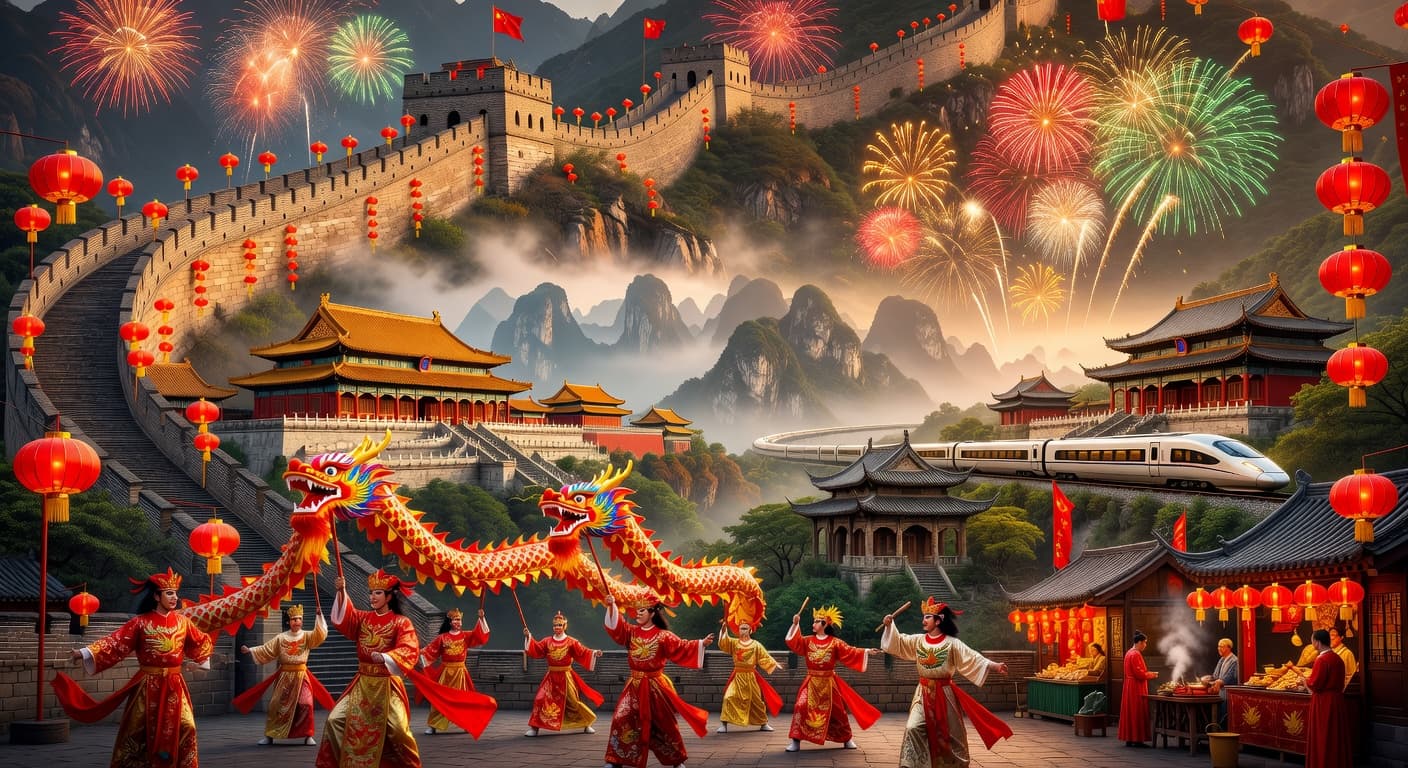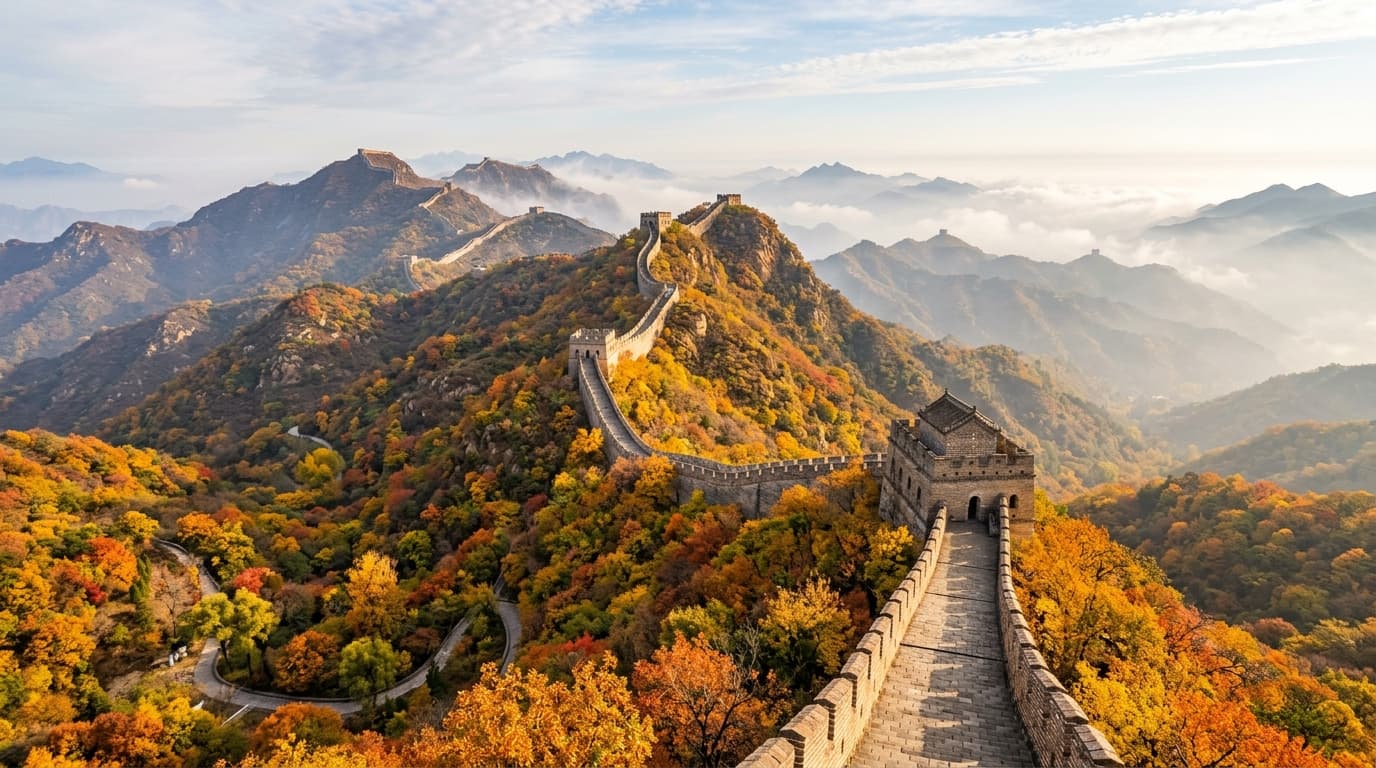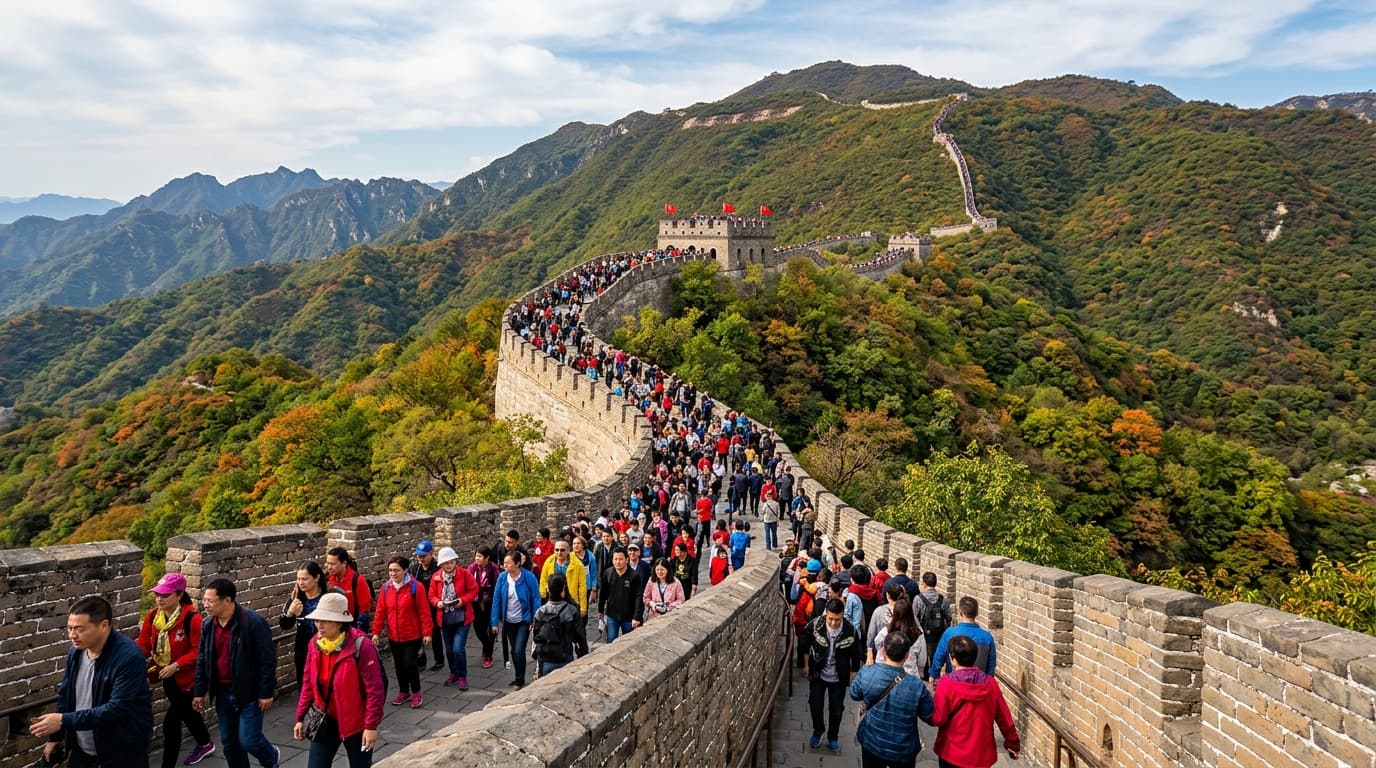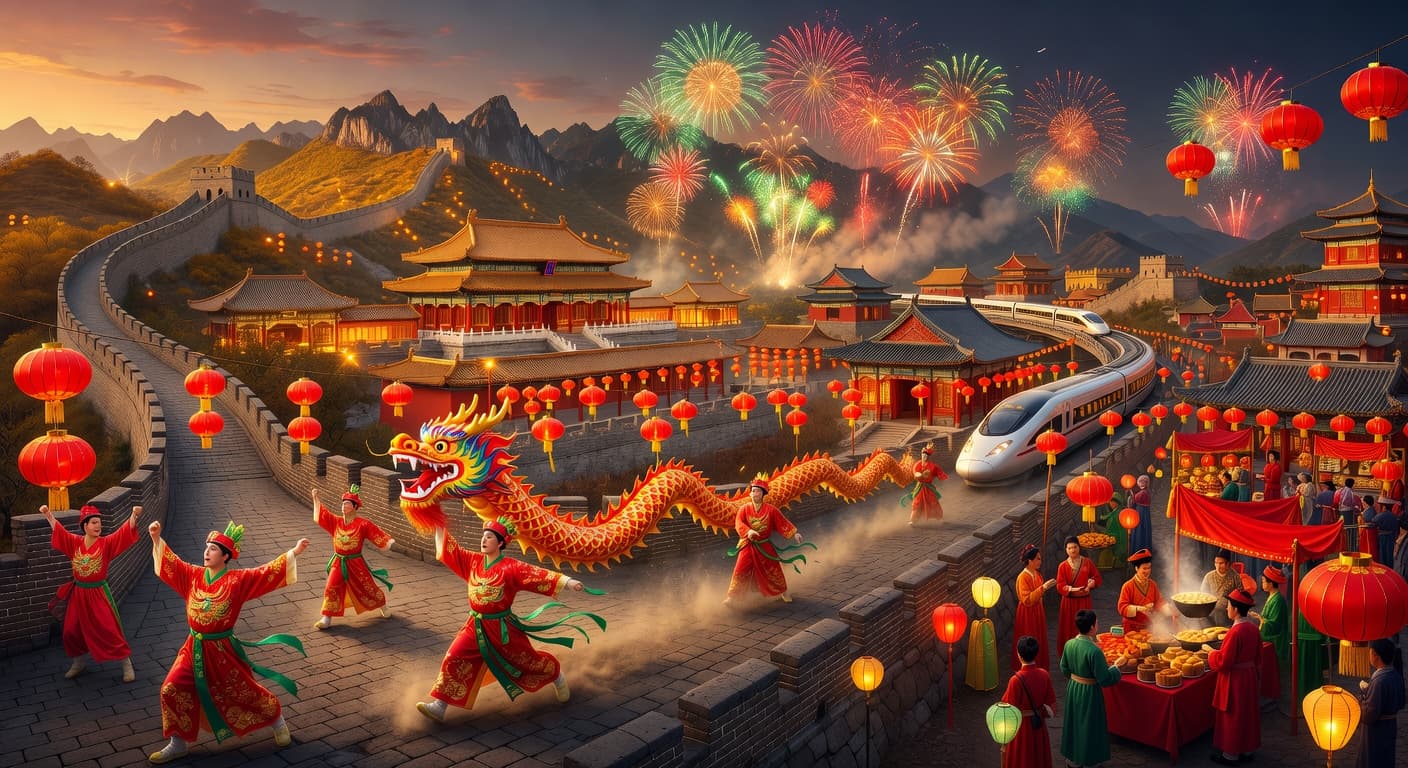
Complete Mid-Autumn Festival travel guide: when to visit, where to celebrate, mooncake traditions, and practical tips for avoiding crowds.
Picture this: thousands of lanterns floating across Victoria Harbour in Hong Kong, families gathering on rooftops in Beijing to admire the full moon, and the sweet aroma of freshly baked mooncakes filling the streets of Shanghai. The Mid-Autumn Festival is one of China's most enchanting celebrations, steeped in thousands of years of tradition and lunar mythology. If you're planning to experience this magical time in China, you'll need to know exactly when to go, where the celebrations shine brightest, and how to navigate the crowds like a seasoned traveler.
Key Takeaways
| Question | Answer |
|---|---|
| What is the best time to visit? | Mid-Autumn Festival falls on the 15th day of the 8th lunar month (typically September–October). In 2025, it's September 18; in 2026, October 6. |
| How much does it cost? | Festival activities are mostly free; mooncakes range from ¥20–¥500+ ($3–$70 USD) depending on quality and fillings. |
| How do I get there? | Fly into major hubs like Beijing, Shanghai, or Guangzhou via international airports. |
| Is it safe? | Yes, very safe. Crowds are large but orderly; standard precautions apply. |
| What should I book in advance? | Hotels, flights, and high-speed rail tickets 2–3 weeks ahead. Festival packages fill quickly. |
| What's the weather like? | Mild and pleasant—typically 15–25°C (59–77°F). Perfect for outdoor celebrations. |
| Can I participate if I'm not Chinese? | Absolutely. Celebrations welcome all visitors; no special permissions needed. |
1. Understanding the Mid-Autumn Festival: History and Meaning
The Mid-Autumn Festival is one of China's most important traditional celebrations, second only to Chinese New Year in cultural significance. Dating back over 3,000 years, the festival honors the autumn harvest and celebrates family reunion under the full moon. In Chinese culture, the moon symbolizes completeness, harmony, and togetherness—making this festival deeply personal for families separated by distance.
The festival's origins blend mythology, astronomy, and agricultural tradition. Legends speak of Chang'e, the Moon Goddess, who ascended to the moon after drinking an immortality elixir. Today, families gather to admire the full moon, share meals, and exchange gifts—most famously, mooncakes. When we spent the Mid-Autumn Festival in Beijing three years ago, we watched entire neighborhoods pause their evening routines to step outside and gaze at the moon together. It's a profoundly moving experience that transcends language and cultural boundaries.
The Lunar Calendar Connection
The festival follows the lunar calendar, not the Gregorian calendar, which means the date shifts each year. Understanding this timing is crucial for planning your trip. The festival always falls on the 15th day of the 8th lunar month, typically between mid-September and early October. This timing aligns with the autumn equinox in the Northern Hemisphere, when the moon appears brightest and most perfectly round.
Modern Celebrations vs. Traditional Customs
While the core traditions remain unchanged, modern celebrations have evolved. In contemporary China, the festival is a public holiday lasting 3 days, and many cities host elaborate lantern festivals, temple fairs, and cultural performances. Shopping malls compete to display the most impressive mooncake collections, and restaurants offer special festival menus. Yet in rural areas and family homes, the traditional customs—moon-gazing, eating mooncakes, and sharing stories—remain the heart of the celebration.
2. When to Visit: Timing Your Trip Perfectly
Timing is everything for experiencing the Mid-Autumn Festival authentically. The festival itself lasts one day (the 15th of the 8th lunar month), but celebrations typically extend 2–3 days before and after, creating a week-long festive atmosphere. For 2025, the festival falls on September 18; for 2026, it's October 6. We recommend arriving 3–5 days before the official date to witness the buildup and secure the best viewing spots.
The weather during this period is ideal for travel. Temperatures range from 15–25°C (59–77°F) depending on your location, with lower humidity than summer months. September and October are among the most pleasant months to visit China, making the Mid-Autumn Festival season particularly attractive for international travelers.
Peak Travel Dates and Crowd Avoidance
The three official public holiday days see massive crowds in major cities. If you're sensitive to crowds, consider visiting the week before the festival or arriving immediately after. During our time in Shanghai, we discovered that the quietest viewing experiences happened on the second evening of the festival, when many tourists had already moved to their next destination.
Strategic timing tips:
- Arrive early: Come 5–7 days before the festival for smaller crowds and better accommodation options
- Skip peak days: Avoid the official holiday dates if possible; visit during the preceding or following week
- Book accommodations now: Hotels fill 4–6 weeks in advance during festival season
- Plan for extended hours: Museums, temples, and attractions stay open late during the festival
Compare hotels across China with free cancellation on most bookings.
Search Hotels on Booking.com → Scan me
3. Mooncakes: The Heart of the Festival
No discussion of the Mid-Autumn Festival is complete without exploring mooncakes—the iconic pastry that defines this celebration. These round, golden pastries symbolize family unity and completeness, and gifting mooncakes is as essential to the festival as exchanging gifts at Christmas in Western cultures. The circular shape represents the full moon, and the intricate patterns stamped on top often depict the moon, Chang'e, or Chinese characters for "harmony" and "reunion."
Mooncakes are far more diverse than most visitors expect. Traditional varieties include lotus seed paste with salted egg yolk (the most popular), red bean, and five-kernel fillings. Modern innovations have introduced ice cream mooncakes, fruit-flavored varieties, and even savory options. During our explorations in Guangzhou, we sampled mooncakes from a century-old bakery that still hand-makes their pastries using recipes passed down through five generations.
Traditional vs. Modern Mooncake Varieties
Compare hotels across China with free cancellation on most bookings.
Search Hotels on Booking.com →
Scan me
| Mooncake Type | Filling | Best For | Price Range |
|---|---|---|---|
| Lotus Seed with Salted Egg Yolk | Lotus paste, salted duck egg | Traditional purists | ¥30–¥80 ($4–$11 USD) |
| Five-Kernel | Nuts, seeds, dried fruit | Adventurous eaters | ¥25–¥70 ($3–$10 USD) |
| Red Bean | Sweet red bean paste | Those avoiding egg | ¥20–¥60 ($3–$8 USD) |
| Ice Cream | Frozen cream filling | Hot weather lovers | ¥40–¥120 ($6–$17 USD) |
| Luxury/Artisan | Premium fillings, gold leaf | Gift-givers, collectors | ¥100–¥500+ ($14–$70+ USD) |
Where to Buy Mooncakes
Mooncakes appear in bakeries, supermarkets, and specialty shops starting in late August. High-end department stores in Beijing and Shanghai offer luxury gift boxes with prices reaching ¥500+ ($70 USD). For authentic, affordable options, visit local bakeries in residential neighborhoods—these often offer superior quality at half the price of tourist-oriented shops.
Mooncake shopping strategy:
- Visit local bakeries: Quality is often higher and prices 30–50% lower than chain stores
- Buy early: Premium varieties sell out 1–2 weeks before the festival
- Check expiration dates: Mooncakes have a shelf life of 1–2 months; buy accordingly
- Ask for samples: Reputable bakeries offer tastings before purchase
Book Great Wall tours, cooking classes, and experiences in advance with instant confirmation.
Browse Activities on Klook → Scan me
4. Top Destinations for Mid-Autumn Celebrations
Different cities across China offer unique festival experiences. Your choice depends on whether you prefer bustling urban celebrations, intimate family gatherings, or cultural performances. We've explored festival celebrations in Beijing, Shanghai, and Hangzhou, and each offers distinct charm.
Beijing: Imperial Tradition Meets Modern Celebration
Beijing's Mid-Autumn Festival celebrations blend imperial heritage with contemporary festivities. The city hosts lantern festivals in parks like Longtan Lake and Chaoyang Park, where thousands gather for traditional performances, folk art exhibitions, and mooncake tastings. The Forbidden City sometimes offers special evening tours during the festival, allowing visitors to explore the ancient palace under moonlight—an unforgettable experience that connects you to centuries of imperial tradition.
In our experience, Beijing's festival atmosphere peaks on the evening of the 15th lunar day, when the entire city seems to pause for moon-gazing. Rooftops, parks, and temple grounds fill with families, friends, and travelers. The Temple Fairs (庙会) in neighborhoods like Chaoyang and Dongcheng offer authentic local experiences—street food, traditional crafts, and live performances—without the overwhelming crowds of major tourist attractions.
Shanghai: Modern Meets Traditional
Shanghai's celebration is more cosmopolitan, blending traditional customs with contemporary urban culture. The Yu Garden Lantern Festival is spectacular, with elaborate light displays and cultural performances. The Bund area hosts moon-viewing events, and riverside parks fill with visitors admiring the full moon reflected in the Huangpu River. Shopping malls compete with elaborate mooncake displays and gift boxes, making Shanghai ideal if you want to experience the festival's commercial and cultural dimensions simultaneously.
When we visited Shanghai during the festival, we discovered that the quietest, most authentic experiences happened in the older neighborhoods like Jing'an and Huangpu, where family-run restaurants offered special festival menus and locals gathered in small groups for traditional celebrations.
Hangzhou: Natural Beauty and Serenity
Hangzhou offers a more serene festival experience, with celebrations centered around West Lake. The lake's reflection of the full moon creates a poetic backdrop for moon-gazing, and the surrounding temples host traditional ceremonies. Hangzhou's festival atmosphere is less commercialized than Shanghai's but equally festive, making it ideal for travelers seeking authentic experiences without overwhelming crowds.
Top cities for Mid-Autumn Festival celebrations:
- Best for imperial heritage: Beijing – temple fairs, Forbidden City evening tours
- Best for urban energy: Shanghai – lantern festivals, riverside celebrations
- Best for natural beauty: Hangzhou – West Lake moon-gazing, temple ceremonies
- Best for authentic local culture: Chengdu, Suzhou – smaller crowds, family-focused celebrations
5. Festival Activities and Cultural Experiences
The Mid-Autumn Festival offers far more than mooncake eating. Traditional activities create opportunities for genuine cultural immersion and memorable experiences. Understanding these customs helps you participate authentically and respect local traditions.
Moon-Gazing (赏月)
Moon-gazing is the festival's spiritual core. Families gather outdoors—on rooftops, in parks, by lakes—to admire the full moon and reflect on loved ones. This isn't a passive activity; it's a moment of connection and contemplation. During our time in Beijing, we joined a family gathering on a rooftop in the Hutong district. As the moon rose, someone recited classical poetry, others shared stories, and the entire group sat in comfortable silence, gazing upward. It was profoundly moving.
The best moon-gazing spots are elevated locations with unobstructed views: rooftops, hilltops, parks, and lakeside areas. Arrive 30 minutes before moonrise (typically around 6–7 PM during the festival period) to secure a good spot. Bring a blanket, some snacks, and perhaps a thermos of Chinese tea—moon-gazing is best enjoyed slowly and mindfully.
Lantern Festivals (灯节)
Many cities host elaborate lantern festivals during the Mid-Autumn period. These events feature thousands of illuminated lanterns depicting mythological scenes, animals, and cultural symbols. Visitors can purchase paper lanterns and write wishes on them before releasing them into the night sky—a breathtaking sight when thousands of lanterns drift upward simultaneously.
Important note: Some cities have restricted lantern releases due to environmental and safety concerns. Always check local regulations before participating.
Temple Fairs and Folk Performances
Temple fairs (庙会) are vibrant community gatherings featuring traditional crafts, folk performances, street food, and cultural exhibitions. These events showcase traditional Chinese arts like lion dancing, traditional music performances, and acrobatics. Unlike tourist-focused attractions, temple fairs offer authentic local culture and are frequented primarily by Chinese families.
Cultural experience recommendations:
- Attend a temple fair: Experience traditional crafts, folk performances, and local food
- Join a moon-gazing gathering: Parks and temples often host organized events; ask your hotel for recommendations
- Take a mooncake-making class: Some cultural centers and cooking schools offer festival workshops
- Watch a traditional performance: Many cities host free or low-cost performances during the festival
Discover guided tours in Beijing, Shanghai, Xi'an and beyond.
Browse Tours on GetYourGuide → Scan me
6. Practical Planning: Transportation and Accommodation
Getting to China and navigating between cities during the Mid-Autumn Festival requires advance planning. The festival period sees increased travel demand, making early bookings essential.
Getting to China
Book Great Wall tours, cooking classes, and experiences in advance with instant confirmation.
Browse Activities on Klook →
Scan me
Most international visitors fly into major hub cities: Beijing Capital International Airport, Shanghai Pudong International Airport, or Guangzhou Baiyun International Airport. [Book flights 4–6 weeks in advance during festival season. Once in China, the high-speed rail network makes traveling between cities quick and convenient. A journey from Beijing to Shanghai takes approximately 4.5 hours on the G-series trains.
Booking Hotels and Accommodation
Hotel availability becomes critical during the festival. Prices increase 20–40% compared to regular periods, and rooms in popular areas fill quickly. We recommend booking accommodations 4–6 weeks in advance. Consider staying in neighborhoods slightly removed from major tourist areas—you'll find better rates and more authentic experiences.
Accommodation booking strategy:
- Book 4–6 weeks ahead: Prices and availability are best at this timeline
- Consider neighborhoods: Stay in local areas like Beijing's Chaoyang or Shanghai's Jing'an for better experiences
- Negotiate rates: Some hotels offer discounts for multi-night stays during the festival period
- Read recent reviews: Check reviews from visitors who stayed during previous festival periods
High-Speed Rail and Domestic Transport
China's high-speed rail network is the most efficient way to travel between cities. Tickets should be booked 2–3 weeks in advance through official channels or authorized travel agencies. Download the 12306 app (China's official rail booking platform) or use authorized third-party booking services.
Book trains, buses across China easily online. Compare routes and prices.
Book Transport on 12Go → Scan me
7. Food and Dining During the Festival
Beyond mooncakes, the Mid-Autumn Festival features special seasonal dishes and festival menus. Many restaurants offer limited-time offerings celebrating autumn ingredients and traditional recipes. This is an excellent opportunity to explore regional Chinese cuisine.
Festival Foods Beyond Mooncakes
Traditional festival foods include pomelos (large citrus fruits symbolizing reunion), duck, and taro cakes. In Guangzhou, restaurants serve special roasted duck preparations during the festival. In Shanghai, dim sum restaurants offer festival-themed offerings. These dishes aren't just food; they carry symbolic meanings tied to prosperity, reunion, and good fortune.
Restaurant Reservations and Festival Menus
Popular restaurants fill weeks in advance during the festival. Make reservations immediately upon booking your trip. Many establishments offer special festival menus at premium prices—expect to pay 20–30% more than regular menu items. However, these menus often feature ingredients and preparations unavailable at other times of year.
Dining recommendations:
- Reserve early: Call or use WeChat to book restaurants 2–3 weeks ahead
- Ask about festival menus: Special offerings are often not listed online
- Try regional specialties: Each city has unique festival dishes worth exploring
- Visit night markets: Street food vendors offer affordable festival snacks and treats
Did You Know? The Mid-Autumn Festival is so significant in Chinese culture that it's an official public holiday in mainland China, Hong Kong, Taiwan, and Vietnam. In 2024, over 1.4 billion people celebrated the festival across Greater China.
8. Navigating Crowds: Insider Tips for a Better Experience
The Mid-Autumn Festival attracts massive crowds, particularly in major cities. Strategic planning helps you enjoy celebrations without feeling overwhelmed. During our years living in Beijing and exploring Shanghai, we learned specific tactics for avoiding peak-hour congestion.
Timing Strategies
The evening of the 15th lunar day sees peak crowds everywhere. If you're sensitive to crowds, consider visiting on the 14th or 16th lunar day instead—celebrations continue, but visitor numbers are significantly lower. Early mornings (6–8 AM) and late nights (after 10 PM) offer quieter experiences at popular sites.
Crowd avoidance tactics:
- Visit on adjacent days: The 14th and 16th lunar days offer celebrations with 50–70% fewer crowds
- Go early or late: Arrive at parks and temples before 9 AM or after 9 PM
- Explore secondary neighborhoods: Avoid famous landmarks; explore local parks and temple fairs instead
- Use public transit: Avoid driving; metro systems are more efficient during peak periods
Alternative Experiences
Instead of fighting crowds at major attractions, seek out neighborhood celebrations. Local temple fairs, community moon-gazing events, and family-run restaurants offer authentic experiences with minimal tourist presence. Ask your hotel staff for recommendations—locals know the best-kept secrets.
During our time in Shanghai, we skipped the Yu Garden crowds and instead attended a small temple fair in the Huangpu district. The experience was far more intimate and authentic, with genuine interactions with local families and vendors.
9. Visa and Practical Information
Before traveling to China for the Mid-Autumn Festival, ensure your visa is in order. Most international visitors need a tourist visa, which typically requires 4–6 weeks to process. Some nationalities qualify for the 144-hour visa-free transit program, allowing 6 days in China without a visa if transiting through specific cities.
Money and Payments
Compare car rental prices across China. Pick up at airports or city locations with flexible cancellation.
Compare Car Rentals →
Scan me
China operates primarily on mobile payments (WeChat Pay, Alipay). While cash (Chinese Yuan/RMB) is still accepted, having a mobile payment app linked to your bank account is essential. Exchange rates are best at banks and official exchange counters; avoid airport exchanges when possible. For detailed information, consult our money and currency guide.
Internet and Communication
Getting connected is crucial for navigating China. Purchase a local SIM card or eSIM upon arrival, or arrange one before your trip. WeChat is essential for communication, payments, and accessing local services. For more details, see our internet and VPN guide.
Essential preparations:
- Visa: Apply 6–8 weeks before your trip
- Mobile payment: Set up WeChat Pay or Alipay before arrival
- SIM card: Purchase at the airport or arrange beforehand
- Travel insurance: Obtain comprehensive coverage before departure
- Health precautions: Check current health requirements and vaccinations
Get a China eSIM before you land. Some plans include VPN access.
Get Saily eSIM for China → Scan me
10. Safety, Health, and Cultural Etiquette
The Mid-Autumn Festival is a safe time to visit China. Celebrations are family-oriented, and security presence is strong in major cities. Standard travel precautions apply: avoid displaying excessive valuables, be aware of your surroundings in crowded areas, and use registered taxis or ride-sharing apps.
Health Considerations
The weather during the festival period (September–October) is generally mild and healthy. However, air quality varies by city and season. Check air quality indices before your trip, particularly if you have respiratory sensitivities. Bring any necessary medications, as some Western pharmaceuticals are unavailable in China.
Cultural Etiquette During the Festival
Respect local customs during your visit. When moon-gazing with locals, participate quietly and respectfully. If invited to family gatherings, accept graciously and bring a small gift (fruit, tea, or mooncakes). Avoid photographing people without permission, particularly in temple settings.
Cultural respect guidelines:
- Moon-gazing: Participate quietly; this is a contemplative activity
- Temple visits: Dress modestly; remove shoes if indicated; don't photograph sacred areas without permission
- Gift-giving: Small gifts are appreciated; avoid clocks, umbrellas, or sharp objects (considered unlucky)
- Photography: Always ask before photographing people or religious ceremonies
Did You Know? The mooncake industry in China generates over ¥10 billion (approximately $1.4 billion USD) in annual sales, with luxury mooncakes commanding prices up to ¥1,000 ($140 USD) per box. The most expensive mooncakes contain ingredients like bird's nest, abalone, and gold leaf.
Source: China Daily
Frequently Asked Questions
What exactly is a mooncake, and why do people eat them during the festival?
Mooncakes are round pastries filled with sweet paste, nuts, or salted egg yolks. The circular shape symbolizes the full moon and family completeness. Eating mooncakes during the Mid-Autumn Festival is a tradition dating back centuries, representing reunion and harmony. Gifting mooncakes is as important as eating them—it's a gesture of goodwill and connection.
Can I visit China just for the Mid-Autumn Festival, or should I plan a longer trip?
While you can visit for just the festival (3–5 days), we recommend extending your trip to 7–10 days. This allows time to explore beyond festival celebrations and recover from jet lag. The pleasant weather during September–October makes it ideal for visiting multiple cities and attractions.
Is the Mid-Autumn Festival celebrated differently in different regions of China?
Yes, significantly. Northern cities like Beijing emphasize moon-gazing and temple fairs, while southern cities like Guangzhou focus on mooncake varieties and special foods. Hong Kong features spectacular lantern festivals and harbor celebrations. Research your specific destination to understand local traditions.
How do I find authentic, non-touristy celebrations?
Ask your hotel staff for recommendations on neighborhood temple fairs and local moon-gazing spots. Avoid famous landmarks on peak days; instead, explore residential areas and local parks. Eating at family-run restaurants rather than tourist-oriented establishments also provides more authentic experiences.
What should I pack for the Mid-Autumn Festival?
Pack layers for mild weather (15–25°C / 59–77°F), comfortable walking shoes, a light jacket, and a blanket or shawl for evening moon-gazing. Bring a camera or smartphone for photos, and consider a small gift for hosts if invited to family gatherings. Comfortable clothing for navigating crowded areas is essential.
Conclusion
The Mid-Autumn Festival offers a rare opportunity to experience one of China's most meaningful cultural celebrations. From savoring authentic mooncakes to moon-gazing with families under the full moon, this festival connects you to thousands of years of Chinese tradition. Whether you choose the vibrant urban celebrations of Beijing and Shanghai, or the serene beauty of Hangzhou's West Lake, the festival promises unforgettable memories.
Plan ahead—book flights and accommodations 4–6 weeks in advance, obtain your visa early, and research your destination's specific traditions. Arrive several days before the festival to avoid peak crowds and secure the best experiences. Most importantly, approach the celebration with respect and openness, allowing yourself to be present in the moment as families and communities gather under the autumn moon.
Ready to experience the magic of the Mid-Autumn Festival? Start planning your trip today. For more information on visiting China during other seasons and festivals, explore our comprehensive seasonal travel guides and city guides.
Trust us: We've celebrated this festival in China's major cities and smaller towns, and every experience has been enriching. Your Mid-Autumn Festival journey awaits.

About the Author
Go2China Team
The Go2China editorial team combines first-hand travel experience with deep cultural knowledge to bring you accurate, up-to-date guides for exploring China — from the Great Wall and Forbidden City to hidden gems off the tourist trail.
- ✓Lived and traveled extensively across China
- ✓Native & bilingual Mandarin speakers on team
- ✓Verified info from official Chinese tourism sources